I started them when the tingling began. The sore still appeared, but it was smaller and settled sooner than my usual episodes. I noticed a mild headache on the first day.
Hull 1 day 30 Sept 2026
Aciclovir
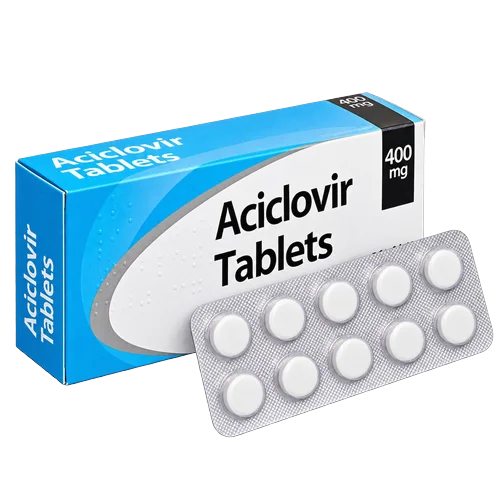
Aciclovir tablets contain an antiviral substance that blocks herpesvirus replication inside infected cells. They are used for adults and children when a clinician prescribes treatment for herpes…
Aciclovir tablets contain an antiviral substance that blocks herpesvirus replication inside infected cells. They are used for adults and children when a clinician prescribes treatment for herpes simplex or varicella-zoster infections. Early treatment can shorten the active phase and reduce the severity of symptoms.
Product information
Aciclovir is the product name used here for tablets containing the antiviral active substance aciclovir, also called acyclovir in international medical literature. It belongs to the synthetic purine nucleoside analogue class. The amount to use and how often to take it depend on the purpose of treatment and are agreed with a doctor or pharmacist.
What it is used for
Aciclovir tablets are prescribed for selected infections caused by herpes simplex virus or varicella-zoster virus. The treatment goal depends on the infection, the patient’s immune status, kidney function, age, and the timing of therapy.
| Infection | Main virus | Clinical treatment goal |
|---|---|---|
| Cold sores | Herpes simplex virus type 1, or HSV-1 | Limit viral replication and shorten the active episode |
| Genital herpes | Herpes simplex virus type 1 or type 2 | Reduce lesion duration, discomfort, and viral activity |
| Shingles | Varicella-zoster virus | Limit replication and reduce the duration of acute symptoms |
Cold sores commonly affect the lips and surrounding facial skin. Genital herpes affects the genital or perianal area and may recur because herpes simplex remains latent in sensory nerve tissue. Shingles results from reactivation of varicella-zoster virus after an earlier chickenpox infection.
Management of Herpes Simplex and Varicella-Zoster
Aciclovir can reduce the duration of symptoms, though the result depends strongly on how soon therapy begins. For shingles, early antiviral treatment is more useful before lesions have fully developed. Severe, widespread, eye-related, neurological, or immunocompromised cases require prompt clinical assessment because oral tablets may not be sufficient.
Genital herpes treatment may be prescribed for a first episode, a recurrence, or repeated suppression. The dosing plan differs between these situations. Cold sores are often treated for a shorter period than extensive genital or varicella-zoster infections.
A person with an active genital outbreak should avoid sexual contact while lesions or prodromal symptoms are present. Aciclovir reduces viral activity, but it does not guarantee that transmission will not occur.
Ingredients
The product described on this page is an oral tablet containing the antiviral active substance aciclovir. Tablets are swallowed with water and are used according to the regimen selected for the infection being treated.
Aciclovir also exists in other pharmaceutical forms, including topical cream, ophthalmic ointment, and intravenous treatment. These forms are not interchangeable with oral tablets. A cream is intended for selected skin lesions, an eye ointment for specific ocular infections, and intravenous treatment for severe disease requiring hospital care.
The oral route is useful when systemic antiviral exposure is needed and the patient can swallow tablets. The choice between oral and intravenous treatment depends on the severity and location of infection, immune status, kidney function, and the ability to take medicines by mouth.
How it affects the body
Aciclovir does not destroy herpesviruses directly. It interferes with the viral process that copies DNA, limiting the production of new virus particles in infected cells.
Viral DNA Synthesis Inhibition
After entering an infected cell, aciclovir is first phosphorylated by viral thymidine kinase. This first step gives the medicine selectivity because infected cells activate much more aciclovir than uninfected cells. Cellular enzymes then convert it into aciclovir triphosphate, the active form.
Aciclovir triphosphate competes with the natural DNA building block deoxyguanosine triphosphate. Once incorporated into viral DNA, it prevents further chain extension. The viral DNA polymerase is inhibited, while normal host-cell DNA synthesis is affected to a much smaller degree. The pharmacological basis of this mechanism is described in regulatory information for oral aciclovir [1].
The medicine works best while the virus is actively replicating. It does not remove herpesviruses from the body, and it does not prevent every future recurrence.
How to use it
The amount and frequency of Aciclovir depend on the purpose of treatment and are agreed with a doctor or pharmacist. The tablet should be swallowed with water rather than crushed unless a prescriber gives a specific alternative instruction.
Clinical regimens differ for cold sores, first-episode genital herpes, recurrent genital herpes, suppressive treatment, shingles, and prevention in patients with reduced immunity. Children and people with impaired kidney function need an individually selected schedule.
Key administration points include:
- Take each dose at the times agreed for the prescribed course.
- Start treatment as soon as possible after the first relevant symptoms.
- Drink enough fluid during oral treatment, unless a clinician has restricted your fluid intake.
- Take a missed dose when remembered unless the next dose is due soon.
- Skip the missed dose if the next scheduled dose is close, rather than taking two doses together.
- Complete the prescribed course unless the prescriber changes it.
- Do not share tablets with another person who has similar-looking lesions.
Adequate hydration matters because aciclovir is cleared mainly through the kidneys. Low fluid intake, dehydration from vomiting or diarrhoea, and high systemic exposure can increase the risk of aciclovir crystallising in renal tubules.
Tablets can be taken with or without food unless the prescriber gives a different instruction. Food does not replace water, and swallowing several doses together does not improve antiviral activity.
Treatment is usually more useful when started during the first tingling, burning, blistering, or rash symptoms rather than after lesions have been present for several days.
Comparison
Aciclovir, valaciclovir, and famciclovir act against herpesvirus infections, but they differ in absorption and dosing convenience. Valaciclovir is converted into aciclovir after absorption and generally produces higher systemic aciclovir exposure from an oral dose. Famciclovir is converted into penciclovir, another antiviral active against herpesviruses.
| Oral antiviral | Pharmacological feature | Practical distinction |
|---|---|---|
| Aciclovir | Direct antiviral nucleoside analogue | Established option with a regimen selected by infection type |
| Valaciclovir | Prodrug converted to aciclovir | Often allows less frequent dosing |
| Famciclovir | Prodrug converted to penciclovir | Alternative mechanism within the same broad antiviral group |
The closest pharmacological comparison is valaciclovir because its active antiviral metabolite is aciclovir. A prescriber may choose it when fewer daily doses could improve adherence. Aciclovir remains a clinically established choice, especially when the prescribed regimen is practical for the patient.
Famciclovir may be selected for specific herpes simplex or shingles situations. Kidney function affects the dosing of all three medicines, so a higher apparent convenience does not remove the need for dose adjustment. Clinical evidence for oral antiviral treatment of herpes simplex infections is summarised in a Cochrane review [2].
Common mistakes
Several practical errors can make treatment less useful or less tolerable:
- Waiting until a cold sore is fully developed before beginning a prescribed course.
- Taking the next scheduled dose together with a missed dose.
- Drinking very little while experiencing fever, vomiting, diarrhoea, or poor appetite.
- Using tablets intended for one person or one outbreak for another person.
- Continuing sexual contact during genital lesions because the pain has improved.
- Assuming that a topical formulation can replace oral treatment.
- Ignoring confusion, hallucinations, or a major reduction in urine output.
- Forgetting to mention kidney disease or dialysis before receiving a regimen.
- Stopping a suppressive course without discussing recurrent symptoms with the prescriber.
One practical detail is easy to miss: improvement in pain does not necessarily mean viral replication has stopped. Lesions can remain infectious while they are healing.
Who should not use it
Aciclovir is not suitable for a person with a previous serious allergic reaction to aciclovir, valaciclovir, or an excipient in the prescribed formulation. The treatment plan also requires special care in people with reduced kidney function, neurological disease, severe dehydration, or a weakened immune system.
Important points include:
- Renal impairment may require a lower dose or longer interval between doses.
- Older adults may need closer attention to hydration and mental-status changes.
- Probenecid and cimetidine can reduce renal clearance of aciclovir.
- Mycophenolate mofetil may increase combined exposure to aciclovir-related metabolites.
- Other medicines that affect kidney function may increase renal toxicity risk.
- Pregnancy and breastfeeding require an individual assessment of the infection, benefits, and treatment plan.
- Severe eye involvement, meningitis symptoms, extensive shingles, or widespread lesions need urgent medical review.
When this is not for you
NOT for you if you have had a serious allergic reaction to aciclovir or valaciclovir, or if a clinician has advised urgent hospital assessment instead of oral treatment.
Possible side effects
Most people tolerate oral aciclovir without serious problems. Reported reactions include headache, nausea, vomiting, diarrhoea, abdominal discomfort, tiredness, dizziness, and itching. These effects are often mild, but persistent vomiting can contribute to dehydration and increase renal risk.
Kidney-related toxicity is uncommon with appropriate dosing but becomes more concerning with dehydration, kidney impairment, older age, or excessive dosing. Symptoms such as reduced urine output, new swelling, severe flank discomfort, or marked confusion need urgent medical assessment.
Neurotoxicity is rare. Warning symptoms include agitation, hallucinations, tremor, unusual drowsiness, confusion, or reduced consciousness. These reactions are more likely when aciclovir accumulates because renal clearance is reduced.
A serious allergic reaction may cause facial or throat swelling, breathing difficulty, widespread blistering, or collapse. Emergency care is required for those symptoms.
What doctors say
In clinical practice, doctors often focus on timing first. Aciclovir works against viral replication, so starting it during the early tingling or rash stage usually offers a better opportunity to shorten the episode than starting after lesions have crusted.
A physician also checks whether the infection is uncomplicated. A localised recurrent cold sore differs from disseminated disease, eye infection, central nervous system involvement, or infection in a person receiving immunosuppressive treatment.
Patients sometimes expect the tablets to remove the virus permanently. They do not. The treatment reduces active replication and symptoms during the episode, while latent herpesvirus can remain in nerve tissue.
Common questions
What should be discussed with a doctor before starting Aciclovir?
Tell the doctor about previous reactions to aciclovir or valaciclovir, kidney disease, dialysis, dehydration, pregnancy, breastfeeding, and medicines that may affect renal function. The MHRA advises attention to renal dosing and neurological reactions in people at higher risk; these points remain relevant in 2026. The doctor also needs to know whether the infection affects the eye, nervous system, or a large area of skin. A recurrent cold sore may need a different plan from shingles or a first genital herpes episode. A pharmacist can also check the prescribed regimen against the patient’s kidney function and other medicines.
How soon can the effect of Aciclovir become noticeable?
Symptoms may begin to settle after treatment starts, but the timing varies with the infection, immune status, and how early therapy begins. NHS clinical information from 2025 describes aciclovir as more useful when started promptly after symptoms appear. Some people notice reduced burning or fewer new lesions within several days, while skin healing takes longer. Persistent worsening, eye symptoms, severe pain, or new neurological symptoms require prompt clinical assessment.
What should happen after a missed dose?
Take the missed dose when remembered unless the next dose is close, then skip it and continue at the usual time. Do not take two doses together to compensate. The FDA prescribing information from 2022 describes the importance of following the selected regimen and adjusting treatment for renal function. If several doses have been missed, the prescriber or pharmacist can determine whether the course should be changed.
How does Aciclovir differ from valaciclovir?
Aciclovir is the active antiviral substance taken directly, while valaciclovir is converted in the body into aciclovir. The EMA information from 2023 describes valaciclovir as a prodrug that improves oral delivery of aciclovir. Valaciclovir can allow less frequent dosing in some clinical situations, whereas Aciclovir may remain suitable when its prescribed schedule is manageable. Kidney function affects the choice and dose of both medicines.
Do you offer anonymous delivery?
Your order will be securely packed and shipped within 24 hours. This is exactly what your package will look like (images of an actual item sent). It has the size and look of a regular private letter (24x11x0.7 cm) and its contents cannot be seen.
Reviews: Aciclovir
Based on 5 reviews
The burning eased after a few days, and the tablets were easy to swallow. I missed one dose during a night shift and took the next one at the normal time rather than doubling it.
Sheffield 5 days 8 Oct 2026The pain and rash had already started before I began. The tablets helped, though recovery was not immediate. I had to pay more attention to drinking water because my appetite was poor.
Middlesbrough 7 days 15 Oct 2026The course fitted around work, and the lesion healed without spreading. I felt slightly nauseated after one dose, which improved when I took later doses with food.
Manchester 1 day 21 Oct 2026The treatment reduced the episode, but I still had discomfort for several days. I had expected the symptoms to disappear after one or two doses, so the gradual improvement was useful to understand.
Brighton 5 days 27 Oct 2026Sources
- FDA (2022). Acyclovir Tablets, USP Prescribing Information.
- Cochrane (2008). Oral acyclovir for treatment of herpes simplex virus infections.