Skip to content
Fast & Discreet Delivery Save up to 80%
In Stock Aldactone
Diuretics

Aldactone

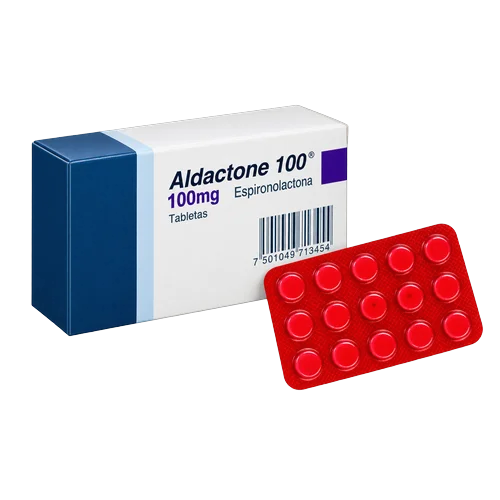
Aldactone is used in suitable patients when excess aldosterone contributes to fluid retention or cardiovascular strain. Its active ingredient, spironolactone, blocks aldosterone receptors and…

Guaranteed quality Original product
Delivery: from 4 days Discreet delivery
24/7 Support Always available
Active ingredient: Spironolactone
Select dosage:
Select pack Package Per tablet Price
£ 1.76 £ 105.78
£ 1.65 £ 158.67 £ 148.78 Save 6%
Free Standard Delivery £ 1.62 £ 211.56 £ 194.36 Save 8%
Free Express Delivery £ 1.58 £ 317.34 £ 283.80 Save 11%
Free Express Delivery £ 1.54 £ 476.01 £ 414.52 Save 13%
Best value Free Express Delivery £ 1.53 £ 634.68 £ 552.12 Save 13%
£ 1.58 £ 94.60
£ 1.51 £ 141.90 £ 135.88 Save 4%
Free Standard Delivery £ 1.46 £ 189.20 £ 175.44 Save 7%
Free Standard Delivery £ 1.42 £ 283.80 £ 256.28 Save 10%
Free Express Delivery £ 1.39 £ 425.70 £ 374.10 Save 12%
Best value Free Express Delivery £ 1.37 £ 567.60 £ 493.64 Save 13%
£ 2.52 £ 75.68
£ 2.32 £ 151.36 £ 139.32 Save 8%
Free Standard Delivery £ 2.23 £ 227.04 £ 200.38 Save 12%
Free Standard Delivery £ 2.11 £ 302.72 £ 252.84 Save 16%
Best value Free Express Delivery £ 1.93 £ 454.08 £ 347.44 Save 23%

Free delivery on orders from £ 172.00, free express delivery from £ 258.00

Secure payment methods:
VISA AMEX JCB DISCOVER

Aldactone is used in suitable patients when excess aldosterone contributes to fluid retention or cardiovascular strain. Its active ingredient, spironolactone, blocks aldosterone receptors and promotes sodium and water excretion while reducing potassium loss.

Product information

Aldactone contains spironolactone, a mineralocorticoid receptor antagonist and potassium-sparing diuretic. It is a prescription treatment used when aldosterone activity contributes to fluid retention, raised blood pressure, or strain on the heart.

What it is used for

Spironolactone is used when aldosterone activity contributes to fluid retention, raised blood pressure, or strain on the heart. The British National Formulary and the MHRA describe spironolactone as a potassium-sparing diuretic used across several cardiovascular and fluid-balance conditions [1].

Common clinical uses include:

  • Heart failure: Spironolactone can reduce aldosterone-related sodium and water retention in selected adults with heart failure. It may reduce congestion and swelling when used within an established heart-failure regimen.
  • High blood pressure: It may be added when blood pressure remains raised despite other antihypertensive medicines, especially when excess aldosterone is suspected.
  • Oedema caused by heart disease: Reduced sodium and water retention can ease ankle swelling, abdominal fluid accumulation, and breathlessness linked to congestion.
  • Oedema linked to liver disease: In some people with cirrhosis and ascites, spironolactone helps counter aldosterone-driven fluid retention.
  • Fluid retention associated with kidney disease: Treatment may be considered in selected cases, although reduced kidney function increases the risk of hyperkalaemia.
  • Primary hyperaldosteronism: Spironolactone can reduce the effects of excessive aldosterone production while the underlying cause is assessed or treated.
Clinical setting Main therapeutic purpose Key monitoring point
Heart failure Reduce aldosterone-related fluid retention Potassium and kidney function
Hypertension Lower blood pressure when aldosterone contributes Blood pressure and electrolytes
Liver or kidney disease with oedema Reduce sodium and water accumulation Weight, swelling, renal function

Spironolactone does not remove fluid instantly in every patient. The response depends on kidney function, the cause of fluid retention, sodium intake, concurrent treatment, and the prescribed dose.

Ingredients

Aldactone contains spironolactone, a mineralocorticoid receptor antagonist and potassium-sparing diuretic. The dose is decided individually, taking age, other medicines and health conditions into account. Spironolactone acts mainly in the distal parts of the renal tubules, where it limits the effects of aldosterone.

Aldosterone is a hormone that encourages the kidneys to retain sodium and water while removing potassium. By blocking aldosterone receptors, spironolactone promotes sodium and water excretion and reduces potassium loss. The result is lower fluid volume, less swelling, and, in suitable patients, reduced blood pressure.

Aldactone is a prescription treatment. Kidney function and serum potassium are central to treatment decisions because spironolactone can raise potassium levels.

The tablet should be swallowed as prescribed. Crushing or changing a tablet can alter how it is taken and may make dose measurement less reliable.

How it affects the body

Spironolactone blocks mineralocorticoid receptors activated by aldosterone. These receptors influence sodium transport in the nephron, the functional unit of the kidney. Blocking them reduces sodium reabsorption and lowers the amount of water retained with sodium.

Many diuretics increase potassium loss, whereas spironolactone reduces potassium excretion. This potassium-sparing effect is useful in selected patients but can become hazardous when kidney function is poor or other potassium-raising medicines are taken at the same time.

Aldactone also has activity at other steroid hormone receptors. This explains endocrine effects such as breast tenderness, menstrual changes, reduced libido, and gynaecomastia in some patients. Eplerenone is more selective for the mineralocorticoid receptor and tends to cause fewer hormone-related effects, although it still requires potassium and renal monitoring.

The European Medicines Agency recognises mineralocorticoid receptor antagonism as a central pharmacological principle in treatment for heart failure and aldosterone-related disorders [2]. Clinical benefit is assessed through symptoms, blood pressure, swelling, body weight, kidney tests, and electrolyte results rather than by one symptom alone.

A sudden increase in body weight, worsening ankle swelling, or new breathlessness can indicate fluid accumulation. Record changes over several days and report a rapid deterioration through the appropriate medical service.

How to use it

The tablet is taken by mouth. The dose is decided individually, taking age, other medicines and health conditions into account.

Prescribing decisions commonly consider:

  • The reason for treatment, such as oedema, heart failure, hypertension, or hyperaldosteronism.
  • Kidney function and baseline potassium.
  • Current ACE inhibitor, ARB, diuretic, corticosteroid, digoxin, or immunosuppressant treatment.
  • Blood pressure, weight, swelling, urine output, and symptoms.
  • Response to treatment and laboratory results after starting or changing therapy.

Take Aldactone at the prescribed time each day. Taking it with food in a consistent way can help make absorption more predictable. Because it has a diuretic action, taking it late in the evening may increase night-time urination.

If a dose is missed, take it when remembered unless the next scheduled dose is near. In that situation, skip the missed dose and resume the usual schedule. Do not double the next dose.

Aldactone can increase urination. Taking it earlier in the day is often more practical than taking it close to bedtime, unless the prescriber has given a different schedule.

Sudden changes to the dose can alter potassium and fluid balance. A missed dose should not be replaced with two tablets together.

Comparison

Aldactone and eplerenone both block mineralocorticoid receptors. They differ in receptor selectivity and in their tendency to produce endocrine adverse effects.

Feature Aldactone Eplerenone
Active molecule Spironolactone Eplerenone
Receptor profile Mineralocorticoid blockade with additional steroid-receptor activity More selective mineralocorticoid blockade
Common clinical distinction Broad use with possible endocrine effects May suit patients who develop hormone-related effects

Clinicians may choose spironolactone when its established diuretic and aldosterone-blocking profile fits the patient’s condition. It is also familiar in heart failure, resistant hypertension, ascites, and primary hyperaldosteronism.

Eplerenone may be considered when gynaecomastia, breast tenderness, menstrual disturbance, or sexual adverse effects create a problem with spironolactone. It can still raise potassium and may be unsuitable in significant renal impairment. Selectivity does not remove the need for laboratory monitoring.

The choice depends on heart function, kidney function, potassium concentration, blood pressure, endocrine tolerability, and the rest of the treatment regimen. It is not a simple strength-for-strength substitution.

Common mistakes

Several practical mistakes can reduce benefit or increase risk:

  • Taking a missed dose together with the next scheduled dose.
  • Using potassium supplements without including them in the medication review.
  • Replacing ordinary salt with potassium chloride.
  • Taking regular ibuprofen or another non-steroidal anti-inflammatory drug without reporting it.
  • Stopping treatment suddenly after swelling improves.
  • Taking the tablet late at night and then assuming frequent urination means the medicine is unsuitable.
  • Ignoring a rapid increase in body weight or worsening breathlessness.
  • Forgetting to mention over-the-counter products, herbal preparations, or sports electrolyte powders.
  • Assuming that a normal symptom level means potassium must also be normal.

A daily weight record can help detect fluid changes earlier, especially in heart failure or ascites. Weighing at a similar time, using the same scales, and wearing similar clothing gives more useful information than occasional random measurements.

Keep a written list of every medicine and supplement, including potassium-containing electrolyte products. Bring the list to medication reviews so interactions can be assessed accurately.

Who should not use it

Aldactone is not suitable for everyone. Not for you if you have hyperkalaemia, severe kidney impairment, anuria, or an unsafe potassium-raising treatment combination. It is not appropriate when a person has:

  • Existing hyperkalaemia.
  • Severe kidney impairment or rapidly worsening renal function.
  • Anuria, meaning little or no urine production.
  • Addison’s disease or another condition with inadequate adrenal hormone production, unless specifically managed by a specialist.
  • A known allergy to spironolactone or an excipient in the tablet.
  • Concurrent treatment with eplerenone or another mineralocorticoid receptor antagonist without specialist direction.
  • A treatment plan involving potassium supplements that cannot be safely adjusted.

Pregnancy requires specialist assessment because spironolactone has anti-androgenic activity and may affect fetal development. Breastfeeding also needs an individual review because treatment decisions depend on the reason for use, the dose, and the infant’s circumstances.

When this is not for you

Aldactone may not be suitable if you have high potassium, serious kidney problems, or produce little or no urine. Extra caution is needed with diabetes, older age, dehydration, liver disease, low blood pressure, and a history of acute kidney injury. Older adults may have reduced renal reserve even when they feel well, making potassium results more important after treatment changes.

Do not use potassium supplements or potassium-based salt substitutes without checking with a clinician. Tell the prescriber about all medicines, including blood-pressure treatments, anti-inflammatory medicines, supplements, and over-the-counter products.

Regular blood tests may include serum potassium, creatinine, estimated glomerular filtration rate, and sodium. The timing depends on the indication, kidney function, and other medicines.

Possible side effects

The most clinically significant adverse effect is hyperkalaemia, meaning an abnormally high blood potassium level. It may cause muscle weakness, unusual tiredness, tingling, palpitations, or an irregular heartbeat, although severe potassium elevation can develop with few warning symptoms.

Other possible effects include:

  • Increased urination and thirst.
  • Dizziness, especially when blood pressure falls.
  • Nausea, abdominal discomfort, or diarrhoea.
  • Headache or fatigue.
  • Breast tenderness or enlargement.
  • Reduced libido or erectile difficulty.
  • Menstrual irregularity.
  • Skin rash or itching.
  • Worsening kidney function.

Gynaecomastia can appear gradually. A patient may first notice sensitivity when clothing or a seatbelt presses against the chest, rather than seeing an obvious change immediately. Menstrual changes can also develop over more than one cycle.

Seek urgent medical attention for severe weakness, collapse, confusion, marked palpitations, chest pain, severe breathlessness, or facial and throat swelling. These symptoms can signal a serious electrolyte disturbance, cardiovascular problem, or allergic reaction.

A mild increase in urination is an expected pharmacological effect rather than a sign that the treatment is damaging the kidneys. Severe thirst, very low urine output, fainting, or persistent vomiting requires prompt assessment because dehydration can worsen kidney function.

Avoid potassium supplements and potassium-based salt substitutes unless they are specifically included in the treatment plan. The combination with spironolactone can raise potassium more than expected.

Alcohol can intensify dizziness and postural blood-pressure symptoms. It may also make it harder to recognise dehydration, especially during hot weather, vomiting, or diarrhoea.

What doctors say

In clinical practice, doctors usually judge spironolactone by measurable changes rather than by urine volume alone. Less ankle swelling, improved breathlessness, a steadier body weight, and better blood-pressure readings may indicate benefit. Some patients urinate only modestly more but still show meaningful improvement in fluid balance.

The first review after starting or changing treatment often focuses on potassium and kidney function. A person can feel well while potassium is rising, so symptoms cannot replace blood testing.

A common prescribing error is treating the 100 mg tablet as a universal dose. It is a tablet strength, not a dose that suits every indication. Heart failure, resistant hypertension, ascites, and hyperaldosteronism may require different schedules and follow-up plans.

Doctors also consider whether endocrine adverse effects could undermine long-term adherence. If breast tenderness or menstrual changes become troublesome, the options may include dose adjustment, a different mineralocorticoid antagonist, or a revised treatment strategy.

The WHO describes diuretic therapy as part of broader cardiovascular and fluid-management care, with treatment selected according to the patient’s disease and risk factors [3]. Spironolactone works best when fluid status, renal function, potassium, and the underlying condition are assessed together.

Common questions

Which condition rules out Aldactone?

Aldactone is ruled out in people with hyperkalaemia, anuria, or severe renal impairment unless a specialist has established a different plan. The risk comes from reduced potassium excretion and impaired kidney clearance. The MHRA safety information and British prescribing references emphasise renal function and potassium assessment before and during treatment, with guidance current to clinical practice in 2026 [4]. A person with Addison’s disease also needs specialist assessment before spironolactone is considered.

Can alcohol be used while taking Aldactone?

Alcohol can increase dizziness, light-headedness, and dehydration while taking spironolactone. The effect may be stronger in people using other blood-pressure medicines, recovering from illness, or losing fluid through vomiting or diarrhoea. NHS prescribing advice and cardiovascular practice guidance continue to treat dehydration and postural symptoms as relevant concerns in 2026. Avoiding heavy alcohol intake is sensible when the response to treatment is not yet established.

What should happen if the expected result does not come?

Persistent swelling, high blood pressure, or breathlessness needs clinical review rather than an extra tablet. The cause may be insufficient response, poor absorption, worsening heart or kidney disease, excess sodium intake, or an interacting medicine. The EMA’s information on mineralocorticoid receptor antagonists supports reassessing renal function, potassium, fluid status, and the wider treatment plan when the response is inadequate [5]. Do not increase Aldactone independently.

Is Aldactone suitable for older adults?

Older adults can use spironolactone when the indication, kidney function, potassium level, and other medicines have been assessed. Age-related reduction in renal reserve increases the risk of hyperkalaemia and acute kidney injury. Geriatric prescribing practice in 2026 places emphasis on lower-risk dosing decisions, blood-test follow-up, hydration status, and review of non-prescription medicines. Dizziness and falls also deserve attention if blood pressure falls.

Can Aldactone be used during pregnancy or breastfeeding?

Pregnancy requires specialist evaluation because spironolactone has anti-androgenic effects and may pose a risk to fetal development. Breastfeeding decisions depend on the treatment indication, dose, maternal kidney function, and the infant’s health. The MHRA and EMA medicine-safety frameworks treat pregnancy and lactation as circumstances requiring an individual benefit–risk assessment in 2026. Do not start, stop, or substitute treatment during pregnancy without a documented clinical plan.

What happens after stopping Aldactone, and does it need tapering?

Stopping spironolactone can allow fluid retention, raised blood pressure, or the underlying aldosterone-related problem to return. Whether tapering is needed depends on the indication, duration of treatment, dose, heart and kidney function, and the other medicines being used. Cardiovascular guidance used by the WHO and UK clinicians supports planned treatment changes when fluid balance or heart failure is involved. Stopping suddenly without a plan can make it harder to distinguish disease progression from a medication change.

Do you offer anonymous delivery?

Your order will be securely packed and shipped within 24 hours. This is exactly what your package will look like (images of an actual item sent). It has the size and look of a regular private letter (24x11x0.7 cm) and its contents cannot be seen.

Reviews: Aldactone

Based on 5 reviews

Richard V., 35 Verified
Rating: 3.5 out of 5

I used Aldactone for fluid retention linked to my treatment. The ankle swelling eased during the second week, and I noticed I was visiting the toilet more often in the morning. I had mild dizziness when standing quickly, so the timing and blood-pressure checks mattered.

Stoke-on-Trent Six weeks 30 Sept 2026
Ian, 31 Verified
Rating: 3.5 out of 5

The tablets reduced the bloated feeling I had been dealing with. I made the mistake of taking one just before bed and slept badly because of the urination. Moving it earlier helped, although I still needed follow-up blood tests.

Liverpool One month 9 Oct 2026
Tom, 56 Verified
Rating: 3.5 out of 5

My blood pressure readings improved after the treatment was added. I did not notice much at first, which was frustrating. The drawback was breast tenderness, and my prescriber later reviewed whether another option would suit me better.

Cardiff Three months 12 Oct 2026
Harry L., 56 Verified
Rating: 4 out of 5

The swelling around my ankles became less noticeable and my weight was steadier. I felt tired on some afternoons, although it was difficult to tell whether that came from Aldactone or my heart condition. The potassium test results were reassuring during follow-up.

Milton Keynes Eight weeks 23 Oct 2026
Graham, 26 Verified
Rating: 3 out of 5

I stopped taking it after the swelling improved, then the problem returned. Restarting without advice was not sensible because I was also taking another medicine that could affect potassium. The review clarified the schedule and the need for monitoring.

Portsmouth Four weeks 28 Oct 2026

Sources

  1. British National Formulary (2025). Spironolactone: medicinal forms, indications, cautions and interactions.
  2. European Medicines Agency (2024). Summary of Product Characteristics (SmPC) — spironolactone.
  3. World Health Organization (2023). HEARTS: Technical package for cardiovascular disease management in primary health care.
  4. Medicines and Healthcare products Regulatory Agency (2023). Spironolactone: Summary of Product Characteristics (SmPC).
  5. European Medicines Agency (2023). Guideline on clinical investigation of medicinal products for the treatment of heart failure.
Get our free app Shop faster and track your orders 3.5 · 225 reviews Install