Skip to content
Fast & Discreet Delivery Save up to 80%
In Stock Antabuse
Alcohol Dependence

Antabuse

Antabuse helps support alcohol abstinence by blocking the normal breakdown of alcohol’s toxic metabolite, acetaldehyde. It contains disulfiram and is intended for adults with alcohol dependence who…

Guaranteed quality Original product
Delivery: from 4 days Discreet delivery
24/7 Support Always available
Active ingredient: Disulfiram
Select dosage:
Select pack Package Per tablet Price
£ 0.45 £ 40.42
£ 0.42 £ 53.90 £ 49.88 Save 7%
£ 0.40 £ 80.84 £ 71.38 Save 12%
£ 0.38 £ 121.26 £ 102.34 Save 16%
Best value £ 0.37 £ 161.68 £ 131.58 Save 19%
£ 0.83 £ 49.88
£ 0.74 £ 74.82 £ 66.22 Save 11%
£ 0.68 £ 99.76 £ 81.70 Save 18%
£ 0.62 £ 149.64 £ 111.80 Save 25%
£ 0.59 £ 224.46 £ 159.10 Save 29%
Best value Free Standard Delivery £ 0.58 £ 299.28 £ 208.12 Save 30%

Free delivery on orders from £ 172.00, free express delivery from £ 258.00

Secure payment methods:
VISA AMEX JCB DISCOVER

Antabuse helps support alcohol abstinence by blocking the normal breakdown of alcohol’s toxic metabolite, acetaldehyde. It contains disulfiram and is intended for adults with alcohol dependence who have chosen to avoid drinking. Alcohol exposure during treatment can trigger a severe physical reaction, making adherence and clinical supervision essential.

Product information

Antabuse is an oral tablet containing disulfiram, a deterrent medicine used as part of treatment for alcohol dependence. Disulfiram is also described chemically as tetraethylthiuram disulfide and belongs to the alcohol-dependence treatment group identified by ATC code N07BB01.

What it is used for

Its purpose is to support continued abstinence rather than reduce intoxication, treat alcohol withdrawal, or remove alcohol cravings immediately. The treatment works best when combined with structured support, relapse-prevention planning, and follow-up for liver health and mental wellbeing.

Clinical guidance from NICE places disulfiram among medicines that may support abstinence when a person understands the risks and is committed to avoiding alcohol [1].

Ingredients

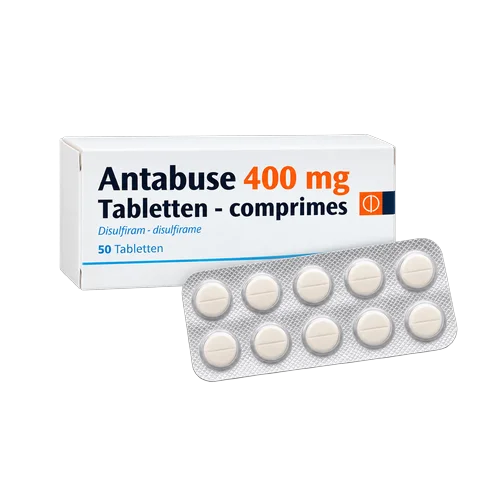
The tablets supplied for this product contain disulfiram at a stated strength of 400 mg, with 50 tablets in the pack.

How it affects the body

After alcohol enters the body, alcohol dehydrogenase converts ethanol into acetaldehyde. Aldehyde dehydrogenase then breaks acetaldehyde down into less harmful compounds. Disulfiram blocks aldehyde dehydrogenase, so acetaldehyde can build up rapidly if alcohol is consumed.

That build-up causes the disulfiram–alcohol reaction. Symptoms may include facial flushing, throbbing headache, sweating, nausea, vomiting, chest discomfort, breathlessness, palpitations, low blood pressure, dizziness, and weakness. Severe reactions can involve collapse, abnormal heart rhythm, heart failure, seizures, or loss of consciousness.

The mechanism differs from medicines that reduce alcohol craving. Naltrexone acts on opioid receptors, while acamprosate influences glutamatergic and GABA-related signalling after abstinence has begun. Disulfiram instead creates a behavioural deterrent through alcohol metabolism.

The US FDA product information describes disulfiram’s aldehyde dehydrogenase inhibition and the possibility of a serious reaction after alcohol exposure [2].

Enzymatic Blockade of Acetaldehyde Dehydrogenase

Disulfiram does not neutralise ethanol in the stomach. It interferes later in the metabolic pathway, at the acetaldehyde stage. This explains why even a small quantity of alcohol may produce a disproportionate reaction.

Patients sometimes overlook alcohol in sauces, desserts, fermented products, cough mixtures, mouthwashes, aftershaves, hand sanitiser, and topical medicines. The risk depends on the amount and route of exposure, but deliberate testing with alcohol is unsafe.

How to use it

The suitable dose differs between strengths and between users, so there is no single amount that suits everyone. Antabuse is taken orally as prescribed, with the dose selected by the prescriber according to treatment goals, tolerability, medical history, and the response to therapy.

Treatment commonly follows a supervised starting phase and a maintenance phase. Some patients take the medicine daily; supervised dosing can be considered when adherence is uncertain or when a treatment plan requires it. The tablet supplied for this product should be used only according to the prescribed regimen.

Key administration points include:

  • Swallow the tablet with water.
  • Take it at the prescribed time each day.
  • Do not take extra tablets after drinking alcohol.
  • Do not double the next dose after a missed dose.
  • If a dose is missed, follow the prescriber’s missed-dose plan rather than taking two doses together.
  • Do not stop treatment independently after a relapse or alcohol exposure.
  • Avoid alcohol during treatment and for the post-treatment period specified by the prescriber.

One common mistake is taking disulfiram in the morning and then using an alcohol-containing product later without connecting the two events. Another is assuming that no reaction means alcohol is safe. The reaction is unpredictable and may be severe.

Comparison

Medicines for alcohol dependence have different treatment aims. The most suitable option depends on whether the main goal is complete abstinence, reduced heavy drinking, relapse prevention after detoxification, or control of craving.

Treatment category Main pharmacological role Clinical focus
Disulfiram Blocks aldehyde dehydrogenase and creates an alcohol reaction Deterrence when abstinence is the agreed goal
Naltrexone Reduces opioid-mediated reward from alcohol Craving and heavy-drinking reduction
Acamprosate Helps stabilise excitatory and inhibitory signalling after abstinence Maintaining abstinence after detoxification

Naltrexone may be unsuitable for someone using opioid pain medicines or with certain liver conditions. Acamprosate requires attention to kidney function and is usually used after abstinence has been established. Topiramate is sometimes used off-label, with possible cognitive, neurological, and metabolic adverse effects.

A clinician may change treatment when adherence is poor, liver or kidney results change, side effects become unacceptable, or the person’s treatment goal changes. Stopping one medicine and starting another needs an individual plan, especially when alcohol use, opioid medicines, anticoagulants, or liver disease are involved. Follow-up should confirm the treatment goal and review new symptoms. The plan should identify who to contact after a missed dose or alcohol exposure. Regular review can help match the medicine to changing clinical needs.

Common mistakes

Several mistakes can reduce the benefit of Antabuse or increase risk:

  • Starting treatment while alcohol remains in the body.
  • Assuming that beer, wine, and spirits are the only alcohol sources.
  • Using mouthwash, cough liquid, aftershave, or topical alcohol without checking suitability in advance.
  • Taking a double dose after forgetting one tablet.
  • Stopping disulfiram and drinking immediately.
  • Failing to mention treatment before a dental or surgical procedure.
  • Continuing to drive while drowsy or unsteady.
  • Ignoring dark urine, jaundice, persistent vomiting, or unusual weakness.
  • Taking warfarin or other interacting medicines without coordinated monitoring.
  • Expecting the tablet to manage withdrawal symptoms on its own.

A useful habit is to tell close family members about the alcohol warning, especially if supervised dosing forms part of the treatment plan. They should know that a reaction may require urgent medical help.

Keep the emergency warning with your medicines list: alcohol exposure during or soon after disulfiram treatment can cause flushing, vomiting, chest symptoms, low blood pressure, and collapse.

Who should not use it

Antabuse is not suitable for everyone. Treatment requires an individual medical assessment, with attention to liver function, mental health, heart health, neurological history, and current medicines.

  • You are currently intoxicated or have alcohol in your system.
  • You have consumed alcohol recently and have not completed the required alcohol-free interval advised by the prescriber.
  • You have severe liver disease or active alcohol-related hepatitis.
  • You have a history of psychosis that could worsen with disulfiram.
  • You have severe heart disease, significant coronary disease, or unstable cardiovascular symptoms.
  • You have had a serious allergic reaction to disulfiram or a tablet ingredient.
  • You cannot reliably avoid alcohol or understand the consequences of exposure.
  • You are taking a medicine that creates a clinically unacceptable interaction.

When this is not for you

Pregnancy and breastfeeding require a careful risk assessment. Disulfiram should not be started casually during pregnancy, and breastfeeding decisions depend on the clinical circumstances and available alternatives.

People with diabetes, epilepsy, kidney disease, thyroid disorders, asthma, or peripheral neuropathy may need extra review. A history of liver disease does not automatically determine treatment, but it makes baseline assessment and follow-up more important.

Seek urgent medical help after alcohol exposure if there is chest pain, severe breathlessness, fainting, confusion, persistent vomiting, a very fast or irregular heartbeat, seizures, or collapse.

Possible side effects

Disulfiram can cause side effects without alcohol exposure. Reported reactions include drowsiness, fatigue, headache, nausea, vomiting, abdominal discomfort, metallic or garlic-like taste, and skin rash. Some people experience reduced energy during the first part of treatment.

Neurological effects can include tingling, numbness, weakness, unsteady walking, confusion, or visual changes. Liver injury is an important medical concern. Symptoms such as persistent nausea, loss of appetite, dark urine, pale stools, yellowing of the skin or eyes, marked itching, or pain under the right ribs require urgent medical assessment.

A rash may be mild, but swelling of the lips or face, breathing difficulty, blistering skin, or widespread peeling requires emergency care. Drowsiness can impair driving, cycling, machinery use, and work requiring sustained attention.

The frequency of individual adverse effects varies between product information sources and patient populations. A person’s liver function, alcohol exposure, age, other medicines, and underlying illness can change the risk profile. The WHO alcohol-treatment framework supports monitoring for adverse effects and treatment complications during relapse-prevention care [3].

Take drowsiness seriously during the first days. Avoid driving or operating machinery until you know how Antabuse affects your alertness.

What doctors say

In clinical practice, doctors often find that disulfiram works best when the patient has a clear abstinence goal and understands that the medicine does not remove the underlying causes of alcohol dependence. The deterrent effect is practical, but it depends on taking the tablets consistently and avoiding alcohol-containing products.

A prescriber would usually discuss liver symptoms, medication interactions, mental health, and the person’s support network before treatment. Follow-up may include liver blood tests, review of side effects, alcohol-use assessment, and discussion of counselling or mutual-support options.

Doctors also distinguish a lapse from a treatment failure. Alcohol exposure needs prompt clinical advice because it can produce a medical emergency, while a return to drinking may require a broader review of withdrawal risk, home safety, depression, anxiety, and relapse triggers.

Common questions

Which symptoms mean stopping Antabuse and seeking urgent medical help?

Chest pain, severe breathlessness, fainting, confusion, seizures, collapse, a very fast or irregular heartbeat, or repeated vomiting after alcohol exposure require emergency assessment. Yellow skin or eyes, dark urine, severe weakness, loss of appetite, or pain under the right ribs may indicate liver injury and need urgent medical review. The MHRA’s safety principles for adverse drug reactions support prompt assessment when serious or unexpected symptoms develop, including during 2026 clinical care.

Can older adults use Antabuse?

Older adults may use disulfiram when a prescriber considers the treatment suitable, but age-related liver, kidney, neurological, and cardiovascular changes can alter tolerability. Drowsiness, unsteadiness, confusion, and falls deserve close attention, especially when other sedating medicines are used. Guidance from NICE, current in clinical practice during 2026, supports individual assessment and follow-up rather than an automatic age-based decision.

What happens after stopping Antabuse, and does it need tapering?

Disulfiram does not usually require a gradual taper because it is used for enzyme inhibition rather than physical replacement therapy. The alcohol reaction can remain possible for up to two weeks after the final dose, so alcohol avoidance must continue for the period specified by the prescriber. The EMA’s 2012 pharmacovigilance guidance supports review of persistent effects and interaction risks after treatment stops.

Can alcohol be used while taking Antabuse?

Alcohol should be avoided during treatment and for the post-treatment period advised by the prescriber. Exposure can occur through drinks, food ingredients, liquid medicines, mouthwash, cosmetics, and topical products, and the resulting reaction can include flushing, vomiting, low blood pressure, heart rhythm problems, or collapse. The FDA disulfiram product information continues to identify alcohol exposure as the central safety hazard in 2026 treatment planning.

Do you offer anonymous delivery?

Your order will be securely packed and shipped within 24 hours. This is exactly what your package will look like (images of an actual item sent). It has the size and look of a regular private letter (24x11x0.7 cm) and its contents cannot be seen.

Reviews: Antabuse

Based on 3 reviews

Gary, 54 Verified
Rating: 3 out of 5

The firm alcohol rule helped me stop negotiating with myself. I felt tired at first and had a strange taste, but those problems became easier. I still needed counselling because the tablets did not deal with stress.

Derby Several months 26 Oct 2026
Ben F., 62 Verified
Rating: 3 out of 5

The first weeks were manageable, although nausea made mornings unpleasant. I nearly used a medicinal mouthwash without thinking, so the alcohol warning became part of my daily routine. The treatment helped, but regular blood tests and family support mattered.

Luton Several weeks 30 Sept 2026
James, 59 Verified
Rating: 1.5 out of 5

I had increasing fatigue and loss of appetite after several weeks. My clinician arranged a review and stopped the treatment while my liver tests were checked. It had helped me avoid alcohol, but the side effects made continued use unsuitable.

Leicester Several weeks 14 Oct 2026

Sources

  1. NICE (2011). Alcohol-use disorders: diagnosis and management — Clinical guideline CG115.
  2. FDA (2001). Antabuse (disulfiram) Tablets — Prescribing Information.
  3. WHO (2019). International Standards for the Treatment of Drug Use Disorders: Revised Edition Incorporating Results of Field-Testing.
Get our free app Shop faster and track your orders 3.5 · 225 reviews Install