Skip to content
Fast & Discreet Delivery Save up to 80%
In Stock Arcoxia
Pain Relief

Arcoxia

Adults with diagnosed inflammatory joint disease may be prescribed Arcoxia tablets when pain and stiffness limit movement. Its benefits must be balanced against blood-pressure and cardiovascular…

Guaranteed quality Original product
Delivery: from 4 days Discreet delivery
24/7 Support Always available
Active ingredient: Etoricoxib
Select dosage:
Select pack Package Per tablet Price
£ 2.95 £ 88.58
£ 2.21 £ 177.16 £ 132.44 Save 25%
Free Standard Delivery £ 1.93 £ 265.74 £ 173.72 Save 35%
Free Standard Delivery £ 1.83 £ 354.32 £ 220.16 Save 38%
Free Express Delivery £ 1.70 £ 531.48 £ 305.30 Save 43%
Free Express Delivery £ 1.62 £ 797.22 £ 436.88 Save 45%
Best value Free Express Delivery £ 1.57 £ 1,062.96 £ 566.74 Save 47%
£ 1.52 £ 91.16
£ 1.36 £ 136.74 £ 122.12 Save 11%
£ 1.26 £ 182.32 £ 151.36 Save 17%
Free Standard Delivery £ 1.19 £ 273.48 £ 214.14 Save 22%
Free Express Delivery £ 1.14 £ 410.22 £ 307.88 Save 25%
Best value Free Express Delivery £ 1.12 £ 546.96 £ 403.34 Save 26%
£ 1.69 £ 101.48
£ 1.50 £ 152.22 £ 135.02 Save 11%
£ 1.41 £ 202.96 £ 169.42 Save 17%
Free Standard Delivery £ 1.31 £ 304.44 £ 235.64 Save 23%
Free Express Delivery £ 1.25 £ 456.66 £ 337.98 Save 26%
Best value Free Express Delivery £ 1.22 £ 608.88 £ 438.60 Save 28%

Free delivery on orders from £ 172.00, free express delivery from £ 258.00

Secure payment methods:
VISA AMEX JCB DISCOVER

Adults with diagnosed inflammatory joint disease may be prescribed Arcoxia tablets when pain and stiffness limit movement. Its benefits must be balanced against blood-pressure and cardiovascular risks.[1]

Product information

Arcoxia contains etoricoxib, a non-steroidal anti-inflammatory drug (NSAID) in the selective COX-2 inhibitor class. It is used in adults with conditions such as osteoarthritis, rheumatoid arthritis, ankylosing spondylitis, acute gouty arthritis, and short-term dental pain where a clinician considers anti-inflammatory treatment appropriate.

It comes as tablets. The amount per intake is set individually for each person rather than being one fixed number. Treatment should use the lowest dose that controls symptoms for the shortest clinically suitable period.

Pharmacological classification and drug family

Selective COX-2 inhibitors are a subgroup of NSAIDs. Traditional NSAIDs inhibit both COX-1 and COX-2 to varying degrees, while etoricoxib has greater selectivity for COX-2 at therapeutic doses. COX-1 supports functions including platelet activity and protection of the stomach lining, although COX-2 selectivity does not remove the possibility of gastrointestinal, kidney, blood-pressure, or cardiovascular complications.

Pain relief can make a joint feel more usable, but it does not mean that inflammation or structural disease has disappeared. Keep follow-up appointments when Arcoxia is used for a long-term rheumatological condition.

What it is used for

Etoricoxib is prescribed for specific painful inflammatory and degenerative conditions. The diagnosis influences the dose, treatment duration, and monitoring plan.

Condition Typical symptoms Treatment goal
Osteoarthritis Joint pain, stiffness, reduced movement Improve daily function and reduce pain
Rheumatoid arthritis Persistent inflammatory pain, swelling, morning stiffness Reduce symptoms alongside disease-modifying treatment
Ankylosing spondylitis Spinal pain, stiffness, restricted mobility Improve movement and control inflammatory pain

Rheumatoid arthritis is an autoimmune disease that can cause persistent synovial inflammation and progressive joint damage. Etoricoxib may reduce pain and stiffness, but it does not replace disease-modifying antirheumatic drugs such as methotrexate when those treatments are clinically indicated.

Ankylosing spondylitis affects the spine and sacroiliac joints. Pain and stiffness may be worse after rest and may improve with movement. Anti-inflammatory treatment can support mobility, while exercise and specialist management remain important parts of care.

Acute gout produces sudden, intense joint inflammation caused by urate crystal deposition. Etoricoxib may be used for an acute attack in suitable adults, with the prescribing clinician accounting for kidney function, blood pressure, cardiovascular history, and other medicines.

Ingredients

Arcoxia contains etoricoxib, a non-steroidal anti-inflammatory drug (NSAID) in the selective COX-2 inhibitor class.

It comes as tablets.

How it affects the body

Etoricoxib blocks cyclo-oxygenase-2, an enzyme involved in producing prostaglandins. Prostaglandins contribute to pain signalling, swelling, warmth, and tenderness around inflamed tissues. Reducing their production can ease symptoms without directly repairing cartilage damage or changing the underlying autoimmune process.

How to use it

The prescriber selects the amount per intake according to the condition, symptom severity, age, kidney and liver function, cardiovascular risk, and response. Arcoxia is taken by mouth as a tablet, usually once daily when prescribed for an inflammatory joint condition.

  • Swallow the tablet with water.
  • Take it at approximately the same time each day if daily treatment has been prescribed.
  • It can generally be taken with or without food; taking it after food may reduce stomach discomfort for some people.
  • Do not take more than the prescribed daily amount.
  • Do not combine it with another NSAID unless the prescriber has specifically instructed this.
  • If a dose is forgotten, take the next scheduled dose when it is due; do not double the amount to compensate.
  • Use short courses where possible, because risk tends to rise with higher doses and longer exposure.

Arcoxia is a prescription medicine in the UK. The dose is not automatically increased when pain becomes worse. Persistent symptoms may signal uncontrolled inflammation, a different diagnosis, or a complication requiring reassessment.

Check every painkiller you use, including cold remedies and anti-inflammatory gels. Some products contain an NSAID, and combining them with etoricoxib can increase kidney, stomach, and blood-pressure risks.

Comparison

The choice depends on the diagnosis, cardiovascular history, gastrointestinal risk, kidney function, and the need for anti-inflammatory action.

Approach Main pharmacological feature Main limitation
Arcoxia, etoricoxib Selective COX-2 inhibition Blood-pressure and cardiovascular concerns
Non-selective NSAID Inhibits COX-1 and COX-2 Greater gastrointestinal and kidney concerns in some patients
Paracetamol Analgesic action without meaningful anti-inflammatory activity May provide limited relief when inflammation drives the pain

Etoricoxib may be considered when an anti-inflammatory effect is needed and a clinician judges COX-2 selectivity useful. It is not automatically the best choice for every patient. NICE guidance on osteoarthritis supports individual assessment of gastrointestinal, renal, hepatic, and cardiovascular risk before selecting an NSAID.[3] FDA safety communications on NSAIDs also highlight cardiovascular and gastrointestinal risks.

A tablet that reduces pain can still be unsuitable for someone with uncontrolled hypertension, previous heart attack, stroke, peripheral arterial disease, or significant heart failure. Choice requires individual risk assessment.

Common mistakes

Several practical mistakes reduce benefit or increase harm:

  • taking Arcoxia with ibuprofen or naproxen;
  • increasing the amount because one dose feels insufficient;
  • using leftover tablets for a new type of pain;
  • overlooking high blood pressure because it causes no symptoms;
  • continuing treatment despite ankle swelling or breathlessness;
  • forgetting to mention warfarin, aspirin, lithium, or diuretics;
  • assuming COX-2 selectivity eliminates ulcer and bleeding risk;
  • stopping disease-modifying arthritis treatment because pain has improved;
  • taking a missed dose together with the next scheduled dose;
  • ignoring persistent joint swelling because the pain is lower.

One subtle mistake is judging treatment only by pain intensity. Walking ability, morning stiffness, sleep, swelling, blood pressure, and adverse effects also help determine whether the treatment remains suitable.

Another is treating an anti-inflammatory tablet as a general-purpose painkiller. New chest pain, sudden neurological symptoms, black stools, or severe breathlessness need urgent assessment rather than another dose.

Who should not use it

Arcoxia is not for you if you have any of the following conditions, unless a specialist advises otherwise:

  • previous allergic reaction to etoricoxib, other NSAIDs, or aspirin;
  • active stomach ulcer or gastrointestinal bleeding;
  • uncontrolled high blood pressure;
  • established coronary heart disease;
  • previous heart attack or stroke;
  • peripheral arterial disease;
  • moderate or severe heart failure;
  • severe liver disease;
  • severe kidney disease;
  • inflammatory bowel disease where NSAID use may worsen symptoms;
  • pregnancy, especially from 20 weeks onward and during the third trimester;
  • breastfeeding unless a prescriber has made a specific assessment;
  • age under 16 years for the usual Arcoxia indications.

Etoricoxib may interact with warfarin and other anticoagulants, aspirin, antiplatelet medicines, diuretics, ACE inhibitors, angiotensin-receptor blockers, lithium, methotrexate, ciclosporin, tacrolimus, rifampicin, oral contraceptives, and hormone-replacement therapy. It can reduce the blood-pressure effect of some antihypertensives and may reduce kidney function when combined with medicines that affect renal blood flow.

When this is not for you

Do not add low-dose aspirin, ibuprofen, naproxen, or another anti-inflammatory drug without a specific plan. Low-dose aspirin used for cardiovascular protection is a separate clinical decision and should not be stopped or started casually.

Give the prescriber a complete list of medicines, including aspirin, anticoagulants, water tablets, blood-pressure treatment, lithium, and non-prescription supplements. The interaction risk often comes from combinations rather than from Arcoxia alone.

Possible side effects

Selective COX-2 inhibition can affect sodium handling, vascular tone, and blood pressure. Etoricoxib may cause or worsen hypertension, fluid retention, ankle swelling, and heart failure. It can also increase the risk of coronary or cerebrovascular thrombotic events, with risk influenced by dose, duration, and a person’s baseline cardiovascular health.

The Arcoxia Summary of Product Characteristics describes cardiovascular warnings and monitoring requirements. Blood pressure should be controlled before treatment and checked during ongoing use, especially in people with hypertension, kidney disease, diabetes, or established cardiovascular disease.[2]

Common or clinically relevant adverse effects include:

  • headache or dizziness;
  • indigestion, abdominal discomfort, nausea, or diarrhoea;
  • ankle swelling from fluid retention;
  • raised blood pressure;
  • tiredness or flu-like symptoms;
  • changes in kidney function;
  • palpitations or awareness of the heartbeat.

Stop taking the medicine and obtain urgent medical help for chest pain, sudden breathlessness, fainting, weakness on one side, difficulty speaking, black stools, vomiting blood, or swelling of the face and throat. These symptoms can indicate a cardiovascular event, serious gastrointestinal bleeding, or a severe allergic reaction.

Weighing yourself once or twice weekly can reveal fluid retention before ankle swelling becomes obvious. A rapid increase, tighter shoes, or breathlessness needs prompt medical attention.

A patient may notice a headache during the first days of treatment and assume it is unrelated. Blood pressure can rise without obvious symptoms, so people with hypertension need scheduled checks even when pain relief feels satisfactory.

COX-1 contributes to gastric mucosal protection, while COX-2 is more closely associated with inflammation. Greater COX-2 selectivity may reduce some ulcer complications compared with certain non-selective NSAIDs, but it does not make etoricoxib free from gastrointestinal harm.

Indigestion, abdominal pain, nausea, gastritis, ulcers, and gastrointestinal bleeding remain possible. The risk is higher in older adults and in people with a previous ulcer or gastrointestinal bleed. It also rises with corticosteroids, anticoagulants, antiplatelet medicines, selective serotonin reuptake inhibitors, alcohol excess, and concurrent NSAID use.

A protective medicine such as a proton-pump inhibitor may be considered for some people with increased gastrointestinal risk. That decision depends on the complete medicine list and medical history.

Black, tarry stools are not a normal nuisance side effect. They can indicate upper gastrointestinal bleeding, even when abdominal pain is mild or absent.

What doctors say

In clinical practice, doctors usually treat Arcoxia as a symptom-control medicine rather than a cure for joint disease. The aim is to improve movement, sleep, and daily activity while keeping exposure as low as practical.

A rheumatology clinician may use etoricoxib alongside physiotherapy, exercise, weight management, and disease-modifying treatment when rheumatoid arthritis or ankylosing spondylitis is present. Pain relief supports rehabilitation.

A prescriber will usually review blood pressure, cardiovascular history, kidney function, ulcer history, age, and concurrent medicines before longer treatment. Patients with inflammatory arthritis may need a disease-modifying medicine even when Arcoxia reduces pain.

The benefit can be noticeable sooner than the effect of a disease-modifying antirheumatic drug, but symptom improvement does not prove that the underlying disease is controlled. This distinction matters when morning stiffness, swelling, or reduced mobility continues.

Common questions

Can Arcoxia be used during pregnancy or breastfeeding?

Pregnancy requires special caution because NSAIDs can affect fetal circulation, amniotic fluid, and labour, with restrictions becoming more serious later in pregnancy. The EMA product information identifies pregnancy as a situation requiring avoidance unless a specialist has determined that treatment is necessary. Breastfeeding also needs an individual decision because the suitability of etoricoxib depends on the infant’s age, the treatment duration, and available alternatives. UK prescribing practice in 2026 follows MHRA risk-management principles for NSAIDs during pregnancy.

Is Arcoxia suitable for people under 18?

Arcoxia is generally intended for adults, and the usual licensed indications do not make it a routine choice for children or adolescents. The EMA product information does not support casual use in people under 16 for the standard indications. A paediatric rheumatologist may select a different treatment when a young person has inflammatory disease. In 2026, any use in a minor should follow a specialist-led assessment rather than adult dosing habits.

Which diet, exercise, or habits can help or hinder treatment?

Regular low-impact movement can support joint function, while smoking, heavy alcohol intake, dehydration, and a high-salt diet may worsen cardiovascular, stomach, or fluid-retention risks. Exercise should match the condition and should not provoke persistent swelling or severe pain. Avoiding unnecessary NSAIDs is more important than taking Arcoxia with a particular food. NICE guidance published in 2022 places exercise and condition-specific self-management alongside medicines for osteoarthritis, rather than treating tablets as the only intervention.

What should be checked or discussed with a doctor before starting?

Discuss previous heart attack, stroke, angina, peripheral arterial disease, heart failure, hypertension, kidney disease, liver disease, stomach ulcers, gastrointestinal bleeding, asthma triggered by NSAIDs, and pregnancy plans. The medicine list should include anticoagulants, aspirin, antihypertensives, diuretics, lithium, methotrexate, ciclosporin, tacrolimus, and supplements. Blood pressure and kidney function may need review before longer treatment. The MHRA safety update on etoricoxib, issued in 2008, emphasises dose selection and cardiovascular risk assessment in conditions such as rheumatoid arthritis and ankylosing spondylitis. This review should be repeated when the clinical situation or medicine list changes.

Can Arcoxia affect driving, concentration, or machinery work?

Dizziness, sleepiness, weakness, or blurred vision can occur and may impair driving or machinery work. Do not drive or operate equipment until you know how the tablets affect you, especially after the first doses or after a dose change. Alcohol can worsen dizziness and may increase gastrointestinal risk. The EMA product information, updated in 2024, advises caution when these symptoms appear, and the same principle applies to work at height or around moving machinery.

What happens after stopping Arcoxia, and is tapering required?

Etoricoxib does not usually require dose tapering because it is not a corticosteroid or opioid. Pain and stiffness may return when its anti-inflammatory effect wears off, especially if the underlying condition remains active. Do not restart an old course without reassessing the reason for the symptoms, blood pressure, kidney function, and other medicines. WHO's 2023 guideline on chronic primary low back pain supports reviewing the underlying condition rather than repeatedly extending symptomatic treatment without reassessment.

Which symptoms mean stopping Arcoxia and seeking urgent help?

Seek urgent help for chest pain, severe breathlessness, fainting, sudden weakness, facial swelling, black stools, vomiting blood, or a widespread blistering rash. These symptoms can indicate cardiovascular complications, bleeding, anaphylaxis, or a severe skin reaction. New ankle swelling with rapid weight gain also needs prompt medical assessment. The MHRA safety information and the EMA product information from 2024 treat these warning symptoms as reasons for immediate clinical review rather than self-management.

Do you offer anonymous delivery?

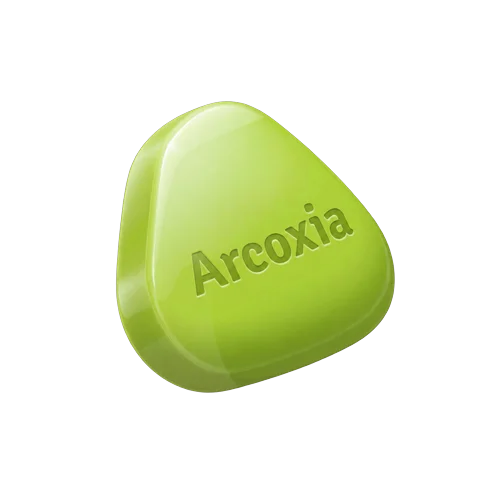
Your order will be securely packed and shipped within 24 hours. This is exactly what your package will look like (images of an actual item sent). It has the size and look of a regular private letter (24x11x0.7 cm) and its contents cannot be seen.

Reviews: Arcoxia

Based on 5 reviews

Mark, 60 Verified
Rating: 3 out of 5

The morning stiffness eased enough for me to walk before work. I developed mild ankle swelling in the third week, so my GP checked my blood pressure and changed the plan.

Leeds About six weeks 22 Oct 2026
Wendy R., 28 Verified
Rating: 3 out of 5

The pain settled after several days and I could sleep better. I felt slightly dizzy after the first two tablets, so I avoided driving until I knew how I reacted.

Bournemouth Short episode 28 Oct 2026
Richard, 64 Verified
Rating: 3 out of 5

It helped my hands feel less stiff, but it did not replace my rheumatology medicine. My blood pressure rose, and the tablets were stopped after review.

Bath 30 Sept 2026
Fiona R., 56 Verified
Rating: 3 out of 5

The joint pain improved quickly enough to move around the house. I had indigestion despite taking it with food, and the course was not continued.

Swansea Short course 11 Oct 2026
Craig D., 36 Verified
Rating: 3 out of 5

The first week was useful for stiffness, especially in the morning. I found that the relief was incomplete and still needed exercise and physiotherapy to keep moving.

York The first week 19 Oct 2026

Sources

  1. MHRA (2008). Etoricoxib (Arcoxia): revised dose recommendation for rheumatoid arthritis and ankylosing spondylitis.
  2. EMA (2024). Arcoxia: European Public Assessment Report and safety information.
  3. NICE (2022). Osteoarthritis in over 16s: diagnosis and management.
Get our free app Shop faster and track your orders 3.5 · 225 reviews Install