Skip to content
Fast & Discreet Delivery Save up to 80%
In Stock Cytomel
Thyroid Disorders

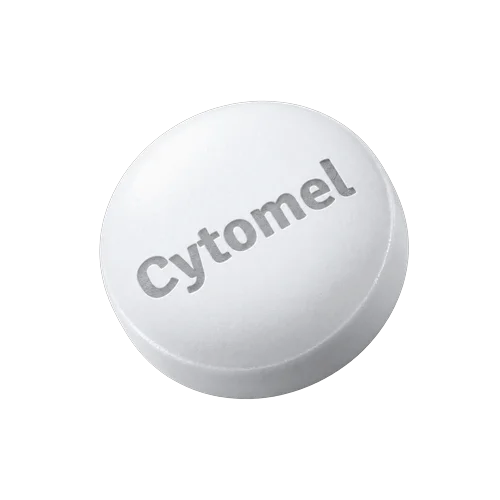
Cytomel

It is intended for prescribed treatment of hypothyroidism when thyroid hormone replacement is clinically appropriate. The medicine can restore thyroid signalling, but its faster action and shorter…

Guaranteed quality Original product
Delivery: from 4 days Discreet delivery
24/7 Support Always available
Active ingredient: Liothyronine
Select pack Package Per tablet Price
£ 1.68 £ 167.70
Free Express Delivery £ 1.35 £ 335.40 £ 270.04 Save 19%
Free Express Delivery £ 1.24 £ 503.10 £ 372.38 Save 26%
Free Express Delivery £ 1.19 £ 670.80 £ 474.72 Save 29%
Best value Free Express Delivery £ 1.15 £ 838.50 £ 576.20 Save 31%

Free delivery on orders from £ 172.00, free express delivery from £ 258.00

Secure payment methods:
VISA AMEX JCB DISCOVER

It is intended for prescribed treatment of hypothyroidism when thyroid hormone replacement is clinically appropriate. The medicine can restore thyroid signalling, but its faster action and shorter duration require careful dose selection.

Product information

Cytomel supplies synthetic triiodothyronine, or T3, which acts directly on thyroid hormone receptors.

What it is used for

Cytomel can supply T3 activity in carefully selected replacement plans, although treatment choice depends on the cause of the deficiency, blood results, symptoms and cardiovascular risk.

Clinical guidance from the American Thyroid Association describes levothyroxine as the usual first-line replacement option for most adults with primary hypothyroidism. Liothyronine may be considered in selected circumstances, such as persistent symptoms despite appropriate T4 treatment, with a clear explanation of its limitations and monitoring requirements [2].

Ingredients

Cytomel tablets contain liothyronine, the synthetic form of triiodothyronine known as T3. T3 is a thyroid hormone that influences energy use, heart activity, temperature regulation, gastrointestinal movement, muscle function and nervous-system activity. The medicine is used in thyroid hormone replacement for people with an underactive thyroid, including selected cases of primary or central hypothyroidism.

Liothyronine sodium acts more directly than levothyroxine because it is already the active T3 hormone. The body does not need to convert it from T4 before thyroid receptors can respond. This helps explain why even a small change in the prescribed regimen may produce noticeable effects in some patients.

Cytomel is a prescription thyroid medicine, not a general metabolism booster. Using T3 to alter body weight without diagnosed thyroid disease can expose the heart and bones to excessive thyroid stimulation.

Active Ingredient Characteristics

After oral administration, liothyronine enters the bloodstream and reaches tissues that contain thyroid hormone receptors. Inside cells, receptor activation changes the expression of genes involved in energy production, oxygen consumption and metabolic activity. The response is clinically useful when endogenous thyroid hormone production is inadequate, yet excessive exposure may cause palpitations, tremor, anxiety, sweating or sleep disturbance.

The British National Formulary and regulatory thyroid guidance distinguish T3 from T4 replacement because liothyronine has a shorter biological half-life and produces more pronounced serum fluctuations. Those pharmacokinetic features make timing, adherence and laboratory follow-up more significant than they may appear from the tablet size alone [1].

Take Cytomel at the same time each day unless the prescriber gives a different schedule. A changing routine can make symptoms and blood-test results harder to interpret.

How it affects the body

Thyroid hormones enter target cells and interact with nuclear thyroid hormone receptors. T3-receptor complexes influence gene transcription, which changes how tissues use oxygen and nutrients. The result is regulation of basal metabolic activity, heat production, cardiac responsiveness, gastrointestinal movement and neuromuscular function.

The thyroid axis includes the hypothalamus, pituitary gland and thyroid gland. The pituitary releases thyroid-stimulating hormone, or TSH, in response to circulating hormone levels. T4 and T3 then provide feedback to this system.

How to use it

The regimen for the chosen Cytomel strength must be confirmed with a healthcare professional before starting. Cytomel tablets are taken by mouth according to the prescribed schedule, with the timing kept consistent from day to day.

Practical administration points include:

  • Take the tablet at the prescribed time.
  • Swallow it with water.
  • Keep the daily timing consistent.
  • Do not change the amount because symptoms improve slowly or because energy rises quickly.
  • Do not double the next dose after a missed dose unless the prescriber has given that instruction.
  • Record missed doses, new symptoms and changes in pulse before the next clinical review.
  • Keep calcium, iron and other medicines that may impair thyroid hormone absorption on a separate schedule when specifically advised.

A missed dose is handled according to the timing of discovery and the instructions attached to the individual prescription. Taking two doses together can increase the risk of palpitations, tremor, headache, insomnia or chest discomfort.

Do not use a changing pattern such as “extra tablets on tired days”. T3 exposure can rise quickly, while the effects of an unnecessary dose may continue after the original tiredness has passed.

Thyroid blood tests are often repeated after a dose change, allowing time for the clinician to assess symptoms and laboratory trends. The exact interval depends on the treatment plan, the reason for therapy and the patient’s risk profile. Long-term treatment may be appropriate when a continuing clinical indication exists, but the regimen needs periodic review.

Comparison

Cytomel contains T3. Levothyroxine contains synthetic T4, which many tissues convert into T3. The two hormones belong to the same thyroid replacement system, but they behave differently in the body.

Treatment approach Pharmacological profile Main monitoring focus
Liothyronine replacement Direct T3 activity, faster onset and shorter half-life TSH, free T3, free T4, symptoms and pulse
Levothyroxine replacement T4 reservoir with gradual peripheral conversion to T3 TSH, free T4, symptoms and dose stability
Combination T4/T3 treatment Provides both thyroid hormones under a defined regimen TSH, free T4, free T3, pulse, blood pressure and symptoms

Levothyroxine generally produces steadier hormone exposure. Cytomel can produce higher peaks and lower troughs during the day, especially when taken inconsistently or when the regimen does not match an individual’s metabolism. That difference may help some patients feel a clearer response, yet it can also produce more noticeable palpitations or agitation.

TSH remains an important laboratory marker, but it is not interpreted in isolation. Free T4 and free T3 may help explain the clinical picture, especially when liothyronine is used. A suppressed TSH with symptoms such as a racing pulse, unexplained weight loss or tremor can indicate excessive thyroid hormone effect rather than successful treatment.

A clinician may favour T4-based therapy when stable, gradual replacement is the priority. A carefully monitored T3-containing plan may be discussed when symptoms persist despite an appropriate T4 regimen and other causes have been assessed. The European Thyroid Association recognises the need for individual assessment rather than routine T3 treatment for every patient with hypothyroidism [3].

Common mistakes

Several avoidable habits make Cytomel treatment harder to assess:

  • Changing the time of administration from day to day.
  • Taking an extra tablet for tiredness, low mood or a planned workout.
  • Stopping treatment abruptly without a replacement plan.
  • Taking calcium, iron or an antacid at the same time.
  • Forgetting to mention biotin before thyroid blood tests.
  • Judging the regimen by weight alone.
  • Ignoring a fast resting pulse because energy feels improved.
  • Combining Cytomel with other thyroid products without prescribing oversight.
  • Repeating an old regimen after a long treatment interruption.
  • Assuming that a larger dose will correct symptoms caused by another illness.

T3 can make a person feel more alert before the full clinical picture is clear. That early stimulation can encourage self-adjustment, especially in people using thyroid hormone for weight or exercise goals. It is one of the reasons dose confirmation before starting matters.

Who should not use it

Cytomel is not suitable for everyone. The medicine requires specific clinical assessment in people with:

  • Untreated adrenal insufficiency.
  • Significant coronary artery disease.
  • Angina or a history of heart rhythm disturbance.
  • Uncontrolled hyperthyroidism.
  • Osteoporosis or a high fracture risk.
  • Diabetes requiring glucose-lowering treatment.
  • Pregnancy or plans to become pregnant.
  • Known sensitivity to liothyronine or an excipient in the formulation.

Untreated adrenal insufficiency is a serious concern because thyroid hormone can increase metabolic demand and worsen an existing cortisol deficiency. A clinician may need to address adrenal function before thyroid replacement is started.

Liothyronine may interact with anticoagulants such as warfarin, potentially changing anticoagulant response. It can also affect blood-glucose control in people using insulin or other glucose-lowering treatment. Medicines containing iron or calcium may reduce thyroid hormone absorption when taken too close together. Antacids and some gastrointestinal medicines can have a similar effect.

The World Health Organization recognises thyroid hormones as essential endocrine medicines, but thyroid hormone treatment must match a documented clinical need rather than a cosmetic weight-loss goal [5].

When this is not for you

NOT for you if you have untreated adrenal insufficiency, uncontrolled hyperthyroidism or a clinician-identified risk from excess thyroid hormone.

Possible side effects

Adverse effects usually reflect excessive thyroid hormone activity rather than an allergy to the tablet. The most common pattern resembles symptoms of hyperthyroidism: a fast or irregular heartbeat, nervousness, irritability, tremor, sweating, heat intolerance, diarrhoea, muscle weakness and difficulty sleeping.

Some people notice symptoms soon after a dose change. Others develop problems gradually. A racing pulse at rest, new exercise intolerance or persistent insomnia should be reported rather than managed by changing the dose independently.

Potentially serious effects include:

  • Chest pain or pressure.
  • Fainting or near-fainting.
  • A sustained rapid or irregular heartbeat.
  • Severe shortness of breath.
  • New confusion or marked agitation.
  • Sudden weakness or collapse.
  • Signs of a severe allergic reaction, such as facial swelling or breathing difficulty.

Long-term excessive thyroid exposure may contribute to atrial fibrillation and reduced bone mineral density. The risk is more relevant in older adults and people with osteoporosis or cardiovascular disease. The MHRA highlights the need to avoid excessive thyroid hormone replacement and to investigate symptoms suggesting over-treatment [4].

A home pulse reading can be useful when new palpitations appear, but it does not replace medical assessment. Chest pain, fainting or severe breathlessness requires urgent care rather than a routine dose review.

One practical detail is often missed: taking Cytomel later than usual can cause evening alertness or insomnia in some patients. Another is that symptom improvement is not a reliable reason to increase the dose; the heart and bones may be affected before the patient recognises a problem.

What doctors say

In clinical practice, endocrinologists usually describe liothyronine as a potent, fast-acting thyroid hormone that needs a clear purpose. The question is not simply whether a patient feels more energetic after taking it. The clinician also considers pulse, blood pressure, TSH, free T4, free T3, sleep, anxiety, bone health and the original cause of hypothyroidism.

A physician would normally review whether symptoms could come from anaemia, sleep apnoea, depression, medication effects, menopause, nutritional deficiency or another endocrine condition. Persistent fatigue does not automatically prove that more T3 is needed.

Patients switching from a T4-only regimen may notice a different daily pattern. Some describe improved concentration or less sluggishness. Others experience a peak-and-trough sensation, with energy earlier in the day followed by irritability, tiredness or palpitations. Those reports help guide review, but they do not replace thyroid-function testing.

The practical clinical goal is the lowest regimen that controls hypothyroid symptoms without producing biochemical or clinical over-replacement. A dose that feels stimulating is not necessarily the right dose.

Common questions

What is the best time of day to take Cytomel?

A morning schedule is commonly used because liothyronine may feel stimulating and can disturb sleep when taken late. The exact timing should follow the prescribed regimen, especially when Cytomel forms part of combination thyroid replacement. The British National Formulary (2025) describes consistent administration as an important part of thyroid hormone treatment, with clinical review after dose changes.

Can Cytomel be taken with food or on an empty stomach?

Cytomel should be taken in a consistent relation to food, because changes in administration can affect absorption and make laboratory results harder to interpret. Many thyroid regimens use administration on an empty stomach, while some patients receive different practical instructions based on tolerability and adherence. The American Thyroid Association’s 2014 guidance supports keeping the routine consistent rather than alternating between fasting and fed administration.

Which diet, exercise or habits can help or hinder the result?

Regular meals, adequate sleep and moderate exercise support recovery from hypothyroid symptoms, but they cannot replace thyroid hormone when replacement is clinically required. High-dose calcium or iron supplements can interfere with absorption if taken too close to Cytomel. The NHS thyroid guidance reviewed in 2025 also supports reporting supplements and major diet changes because they may affect treatment assessment.

Is Cytomel suitable for people under 18?

Liothyronine can have a role in paediatric endocrine care, but children and adolescents require age-specific assessment, growth monitoring and specialist dose selection. It should not be started in someone under 18 using an adult self-directed regimen. The European Medicines Agency paediatric framework, applied in 2025, requires medicines used in children to be considered according to age, development and clinical indication.

How long does a Cytomel course last, and is long-term use acceptable?

The duration depends on the cause of hypothyroidism and whether thyroid hormone replacement remains necessary. Some people require long-term treatment, while others receive liothyronine for a defined clinical trial followed by reassessment. NICE thyroid guidance published in 2019 supports ongoing monitoring of thyroid replacement rather than treating duration as a fixed course.

Which symptoms mean stopping and seeking urgent medical help?

Chest pain, fainting, severe breathlessness, a sustained irregular heartbeat or severe allergic symptoms require urgent medical assessment. A person should not take additional doses while waiting for advice, and should not attempt to correct suspected over-treatment independently. MHRA safety information from 2022 links excessive thyroid hormone exposure with cardiovascular complications, so these symptoms should be treated seriously.

Do you offer anonymous delivery?

Your order will be securely packed and shipped within 24 hours. This is exactly what your package will look like (images of an actual item sent). It has the size and look of a regular private letter (24x11x0.7 cm) and its contents cannot be seen.

Reviews: Cytomel

Based on 4 reviews

Emily, 59 Verified
Rating: 3.5 out of 5

Reading, had used Cytomel for several weeks after persistent symptoms on thyroid replacement. She described better morning concentration, yet the first adjustment period included mild hand tremor and lighter sleep. Her symptoms settled after the prescribing team reviewed the regimen.

Reading Several weeks 2 Oct 2026
Louise, 49 Verified
Rating: 3 out of 5

Bradford, reported that taking her tablet at a consistent morning time made the day feel steadier. She had initially taken it alongside an iron supplement and noticed little benefit. Separating the medicines improved the routine, although fatigue did not disappear completely.

Bradford 13 Oct 2026
Kerry V., 43 Verified
Rating: 2.5 out of 5

Exeter, stopped taking extra tablets during afternoon tiredness after experiencing a pounding heartbeat. The palpitations eased after urgent medical advice and a treatment review. She later found that her fatigue had another cause unrelated to thyroid hormone levels.

Exeter 17 Oct 2026
Deborah, 37 Verified
Rating: 3.5 out of 5

Southampton, felt more alert after starting a prescribed liothyronine plan, but evening doses disturbed her sleep. Her clinician changed the timing and arranged follow-up blood tests. She considered the treatment helpful, though less forgiving than her previous thyroid medicine.

Southampton 28 Oct 2026

Sources

  1. British National Formulary (2025). Liothyronine: prescribing and pharmacological information.
  2. American Thyroid Association (2014). Guidelines for the Treatment of Hypothyroidism.
  3. European Thyroid Association (2012). 2012 ETA Guidelines: Management of Subclinical Hypothyroidism.
  4. MHRA (2022). Liothyronine and levothyroxine: risk of cardiac complications from excessive thyroid hormone replacement.
  5. World Health Organization (2021). WHO Model List of Essential Medicines.
Get our free app Shop faster and track your orders 3.5 · 225 reviews Install