Skip to content
Fast & Discreet Delivery Save up to 80%
In Stock Dexilant
Acid Reflux

Dexilant

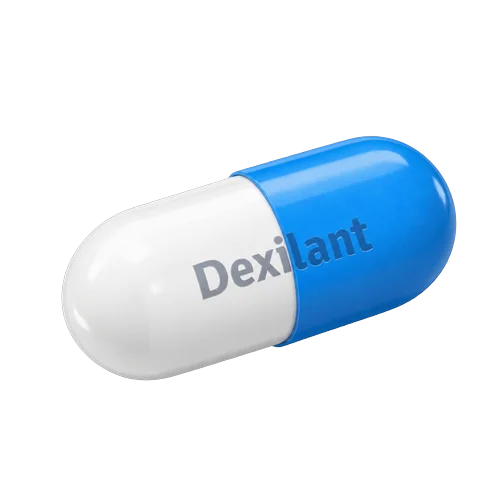
It reduces stomach-acid production, helping the oesophagus heal and easing acid-related heartburn. Dexilant is intended for people with acid-related upper gastrointestinal conditions.

Guaranteed quality Original product
Delivery: from 4 days Discreet delivery
24/7 Support Always available
Active ingredient: Dexlansoprazole
Select dosage:
Select pack Package Per tablet Price
£ 3.12 £ 93.74
£ 2.04 £ 187.48 £ 122.12 Save 35%
£ 1.68 £ 281.22 £ 151.36 Save 46%
Free Standard Delivery £ 1.51 £ 374.96 £ 180.60 Save 52%
Best value Free Standard Delivery £ 1.32 £ 562.44 £ 238.22 Save 58%
£ 3.55 £ 106.64
£ 2.47 £ 213.28 £ 147.92 Save 31%
Free Standard Delivery £ 2.11 £ 319.92 £ 190.06 Save 41%
Free Standard Delivery £ 1.93 £ 426.56 £ 231.34 Save 46%
Best value Free Express Delivery £ 1.74 £ 639.84 £ 313.04 Save 51%

Free delivery on orders from £ 172.00, free express delivery from £ 258.00

Secure payment methods:
VISA AMEX JCB DISCOVER

It reduces stomach-acid production, helping the oesophagus heal and easing acid-related heartburn. Dexilant is intended for people with acid-related upper gastrointestinal conditions.

Product information

Dexilant is taken by mouth as a modified-release capsule for gastro-oesophageal reflux disease and erosive oesophagitis.

What it is used for

Dexilant is used for conditions in which stomach acid irritates or damages the oesophagus. Regulatory information for dexlansoprazole supports its use in the following settings:

  • Healing erosive oesophagitis, where repeated acid exposure has damaged the oesophageal lining.
  • Maintaining healing after erosive oesophagitis has improved.
  • Relieving heartburn linked to GORD.
  • Reducing acid-related symptoms when lifestyle measures alone have not provided adequate control.

GORD can involve burning behind the breastbone, sour-tasting reflux, regurgitation, throat irritation or symptoms that worsen after lying down. Erosive oesophagitis may cause painful swallowing or difficulty swallowing, although some people have little discomfort despite visible inflammation.

Dexilant does not provide immediate neutralisation of acid in the same way as a short-acting antacid. It works by reducing acid secretion over time.

Treatment type Main action Usual clinical role
Short-acting antacid Neutralises acid already present Brief relief of occasional symptoms
Dexilant and other PPIs Reduces gastric acid production GORD, erosive oesophagitis and acid-related healing

The National Institute for Health and Care Excellence (NICE) recognises PPIs as a central treatment option for GORD and dyspepsia when acid suppression is clinically appropriate [1].

Ingredients

Dexilant contains dexlansoprazole, a proton pump inhibitor (PPI). PPIs reduce acid secretion by blocking the gastric proton pump, an enzyme system in the stomach lining responsible for releasing hydrogen ions into stomach contents.

The medicine is intended for acid-related upper gastrointestinal conditions, including healing erosive oesophagitis and controlling heartburn associated with gastro-oesophageal reflux disease (GORD). Its clinical role differs from a simple antacid: an antacid neutralises acid already present, while dexlansoprazole reduces the production of new acid.

Dexilant uses a Dual Delayed-Release Technology. The capsule releases dexlansoprazole in two phases, helping maintain acid suppression across a longer part of the day than a single immediate-release release can provide. This release pattern is one reason the capsule should be swallowed according to the prescribed instructions rather than crushed.

Swallow the capsule whole with water unless the prescriber has specifically instructed you to use the sprinkle method. Crushing or chewing can interfere with the modified-release design.

How it affects the body

Dexlansoprazole is absorbed and then reaches the acid-producing cells of the stomach through the bloodstream. It binds to the gastric H+/K+-ATPase, commonly called the proton pump, and suppresses the final stage of acid secretion.

PPIs do not work by coating the oesophagus or mechanically blocking reflux. They reduce acidity, which gives irritated tissue a less damaging environment in which to recover. Reflux can still occur even when its acidity is lower.

The FDA prescribing information (2022) describes proton-pump inhibition as a pharmacological effect that can alter gastric pH and influence the absorption of medicines that depend on stomach acidity [2].

How to use it

Dexilant is taken orally as a modified-release capsule. The chosen strength and regimen must be confirmed with a healthcare professional before starting.

Administration follows these practical principles:

  • Take the capsule at the prescribed frequency.
  • Swallow it whole with water.
  • Do not crush or chew the capsule.
  • If swallowing is difficult, the capsule may be opened only when the prescribed instructions allow it; the granules should not be chewed.
  • Take a missed dose when remembered unless the next scheduled dose is close.
  • Skip the missed dose when the next dose is due soon.
  • Do not take two doses together to compensate for a missed dose.

The capsule can be taken with or without food under the product’s prescribing instructions. Keeping the dose at a consistent time can make missed doses less likely, especially when the medicine is being used for a healing course rather than occasional symptom control.

If you miss a dose near bedtime and the next dose is due soon, do not double the amount. Resume the planned schedule at the next appropriate time.

A common mistake is stopping as soon as heartburn improves. Symptom relief can occur before inflamed oesophageal tissue has fully healed, so the duration of treatment depends on the diagnosis and the regimen selected for the patient.

Comparison

Dexilant is an oral modified-release capsule that reduces stomach-acid production, unlike lifestyle measures alone, which do not directly reduce acid.

Common mistakes

Several habits can reduce the benefit of Dexilant or increase avoidable risk:

  • Crushing or chewing the modified-release contents.
  • Taking an extra capsule after a single episode of heartburn.
  • Stopping the prescribed course immediately after the first symptom-free day.
  • Continuing long-term treatment without reviewing the original diagnosis.
  • Assuming every chest-burning symptom is reflux.
  • Failing to mention warfarin, digoxin, methotrexate or HIV treatment.
  • Treating severe diarrhoea with over-the-counter products without reporting it.
  • Taking a missed dose together with the next scheduled dose.
  • Ignoring progressive swallowing difficulty because heartburn has improved.
Keep a simple record of reflux episodes, night waking, swallowing symptoms and missed doses. This gives the prescriber useful information when deciding whether treatment should continue.

One subtle issue concerns terminology. A PPI reduces acid; it does not stop the physical movement of stomach contents into the oesophagus. Persistent regurgitation despite less burning may therefore need a different clinical assessment.

Who should not use it

Dexilant is not suitable for everyone. The medicine should not be used by a person with a known hypersensitivity to dexlansoprazole, other substituted benzimidazoles or any capsule ingredient.

  • Rilpivirine-containing products: increased stomach pH can reduce rilpivirine absorption. This combination is contraindicated.
  • Dasatinib: reduced acidity may lower absorption and reduce exposure to the medicine.
  • Digoxin: changes in gastric acidity and prolonged PPI treatment may affect digoxin exposure. Clinical monitoring may be needed.
  • Warfarin: changes in anticoagulant response have been reported with acid-suppressing treatment. INR monitoring may be required after treatment changes.
  • Methotrexate: high-dose methotrexate can interact with PPIs, potentially delaying methotrexate elimination. The oncology team may need to adjust acid suppression.
  • Sucralfate and antacids: these can affect the timing of oral medicines. A prescriber or pharmacist should establish a suitable schedule.
  • Some antiretrovirals: gastric-pH changes can reduce absorption of medicines that require an acidic environment.

When this is not for you

This medication is not for you if

Dexilant should not be started without a specific clinical review when any of these apply:

  • Previous allergy to dexlansoprazole or a related PPI.
  • Current treatment with a rilpivirine-containing product.
  • Unexplained difficulty swallowing, gastrointestinal bleeding or persistent vomiting.
  • Unintentional weight loss, anaemia or recurrent vomiting.
  • Severe or persistent diarrhoea during or after treatment.
  • A history of low magnesium, vitamin B12 deficiency or osteoporosis requiring long-term acid suppression.
  • Treatment with medicines that have a narrow therapeutic range, such as digoxin or warfarin.

Alarm symptoms require prompt medical assessment. Black stools, vomiting blood, fainting, progressive swallowing difficulty, severe chest pain or sudden unexplained weight loss should not be managed by simply increasing acid suppression.

Possible side effects

Common adverse effects reported with dexlansoprazole and other PPIs include headache, diarrhoea, abdominal discomfort, nausea, flatulence and constipation. These effects are often mild, but persistent diarrhoea needs attention because PPI treatment can be associated with Clostridioides difficile-associated diarrhoea.

Seek urgent medical help for facial swelling, wheezing, widespread blistering rash, severe skin peeling or difficulty breathing. These symptoms can indicate a serious allergic or skin reaction.

Longer treatment requires a clear reason and periodic review. Prolonged PPI exposure has been associated with:

  • Hypomagnesaemia, especially in people taking other medicines that lower magnesium.
  • Reduced vitamin B12 absorption after sustained acid suppression.
  • Increased fracture risk in some long-term users, especially when other osteoporosis risks are present.
  • Clostridioides difficile-associated diarrhoea.
  • Acute tubulointerstitial nephritis, an uncommon inflammatory kidney reaction.
  • Fundic gland polyps, usually discovered incidentally during endoscopy.

These associations do not mean that every long-term user will develop a complication. The decision to continue treatment depends on the strength of the indication, recurrence of symptoms and individual risk factors. The US Food and Drug Administration (FDA) prescribing information lists these warnings and monitoring considerations for dexlansoprazole [3].

Persistent watery diarrhoea, muscle cramps, tremor, unusual tiredness or palpitations deserve medical review during prolonged PPI treatment, especially if diuretics or digoxin are also being used.

A practical detail is often missed: acid suppression can improve burning while a different problem continues underneath. New swallowing difficulty or food sticking is a reason for assessment, not a reason to keep increasing the dose independently.

What doctors say

Clinicians generally select a PPI when acid exposure is causing symptoms, mucosal injury or both. Dexilant can be useful when symptoms extend into the evening or return despite a simpler dosing pattern, though response still varies between patients.

A doctor will usually separate three issues:

  1. Whether the symptoms are genuinely acid-related.
  2. Whether the oesophagus has healed.
  3. Whether continued treatment is needed to prevent relapse.

In clinical practice, patients sometimes describe partial improvement within several days, while healing of erosive oesophagitis takes longer. A lack of improvement may indicate poor adherence, non-acid reflux, a motility disorder, an ulcer, medication-related irritation or another diagnosis.

The World Health Organization emphasises medication review, appropriate indication and monitoring when medicines are used over an extended period [4]. The chosen strength and regimen should be confirmed with a healthcare professional before treatment begins, rather than selected solely by symptom intensity.

Common questions

How long does one Dexilant dose keep working?

Dexilant is designed to provide acid suppression through a dual delayed-release profile rather than a brief neutralising effect. The clinical effect can extend across much of the day, although symptom control differs between individuals. The FDA prescribing information (2022) describes the delayed-release mechanism and pharmacodynamic action of dexlansoprazole. Relief from burning does not prove that oesophageal healing is complete. Follow the prescribed treatment duration even when symptoms improve.

How soon does Dexilant become noticeable?

Some people notice less heartburn within the first few days, while healing of erosive oesophagitis takes longer. NICE guidance published in 2014 describes PPIs as treatment for reflux symptoms and oesophageal healing, with review based on response and diagnosis. Persistent symptoms, new swallowing difficulty or worsening pain require clinical assessment rather than repeated self-dosing.

Can Dexilant cause diarrhoea?

Diarrhoea is a recognised adverse effect of PPI treatment, and persistent watery diarrhoea can signal Clostridioides difficile infection. The MHRA safety information published in 2012 about antibiotic-associated and healthcare-associated C. difficile diarrhoea remains relevant when acid suppression is present. Contact a healthcare professional promptly if diarrhoea is severe, persistent, bloody or accompanied by fever.

What should I do after missing a Dexilant dose?

Take the missed capsule when remembered unless the next scheduled dose is due soon. In that situation, skip the missed dose and continue with the normal schedule. The FDA prescribing information (2022) supports avoiding a double dose after an omission. Vomiting, severe abdominal pain or accidental repeated dosing requires specific medical advice.

Can Dexilant be combined with warfarin, digoxin or supplements?

The combination may be possible in some patients, but warfarin and digoxin require medicine-specific review. The FDA prescribing information (2022) identifies interaction and monitoring considerations for medicines affected by changes in gastric acidity or altered metabolism. Magnesium-containing supplements can also complicate interpretation when a patient has low magnesium or kidney disease, so the complete supplement list should be reviewed before starting.

Do you offer anonymous delivery?

Your order will be securely packed and shipped within 24 hours. This is exactly what your package will look like (images of an actual item sent). It has the size and look of a regular private letter (24x11x0.7 cm) and its contents cannot be seen.

Reviews: Dexilant

Based on 3 reviews

Craig C., 41 Verified
Rating: 3.5 out of 5

The burning after dinner had settled by the first week, and I stopped waking with a sour taste. I still had mild bloating at times, so it was helpful but not completely symptom-free.

Milton Keynes Four weeks 30 Sept 2026
Ian, 39 Verified
Rating: 3.5 out of 5

I noticed less heartburn after several days. I missed one dose during a weekend away and took two together the next morning, which gave me stomach discomfort. I later followed the missed-dose advice instead.

Southampton Three weeks 12 Oct 2026
Daniel, 47 Verified
Rating: 3.5 out of 5

The pain when swallowing improved gradually rather than overnight. I had loose stools for a few days and reported them because they continued; the treatment plan was then reviewed.

Coventry Several weeks 27 Oct 2026

Sources

  1. NICE (2014). Gastro-oesophageal reflux disease and dyspepsia in adults: investigation and management
  2. FDA (2022). Dexilant (dexlansoprazole) prescribing information
  3. U.S. Food and Drug Administration (2022). Dexilant (dexlansoprazole) prescribing information
  4. World Health Organization (2023). Medication safety in polypharmacy
Get our free app Shop faster and track your orders 3.5 · 225 reviews Install