Skip to content
Fast & Discreet Delivery Save up to 80%
In Stock Dulcolax
Constipation

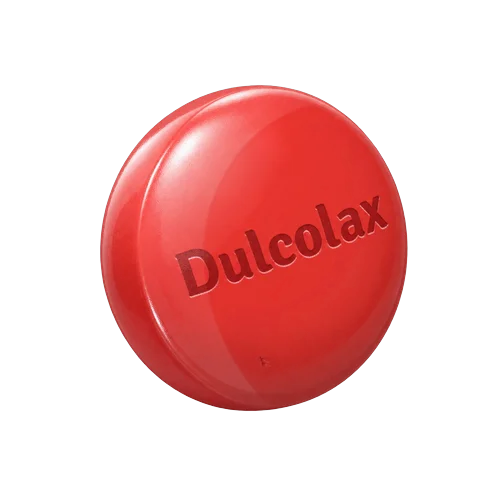
Dulcolax

Constipation can cause infrequent stools, straining, abdominal pressure and bloating. Dulcolax tablets provide short-term stimulant-laxative relief by encouraging bowel activity and helping the…

Guaranteed quality Original product
Delivery: from 4 days Discreet delivery
24/7 Support Always available
Active ingredient: Bisacodyl
Select pack Package Per tablet Price
£ 0.89 £ 79.98
£ 0.84 £ 106.64 £ 100.62 Save 6%
£ 0.79 £ 159.96 £ 141.90 Save 11%
Free Standard Delivery £ 0.76 £ 239.94 £ 205.54 Save 14%
Best value Free Express Delivery £ 0.75 £ 319.92 £ 269.18 Save 16%

Free delivery on orders from £ 172.00, free express delivery from £ 258.00

Secure payment methods:
VISA AMEX JCB DISCOVER

Constipation can cause infrequent stools, straining, abdominal pressure and bloating. Dulcolax tablets provide short-term stimulant-laxative relief by encouraging bowel activity and helping the intestine move stool forward. They are intended for adults who need temporary support with bowel emptying.

Product information

Dulcolax is an oral tablet used for short-term relief of constipation. It belongs to the stimulant-laxative category.

What it is used for

Dulcolax tablets provide short-term stimulant-laxative relief by encouraging bowel activity and helping the intestine move stool forward. They are intended for adults who need temporary support with bowel emptying.

Dulcolax is more suitable for occasional constipation than as a daily habit.

Ingredients

Dulcolax is an oral tablet in the stimulant-laxative category for short-term relief of occasional constipation. It works by encouraging bowel activity and helping the intestine move stool forward. The tablet is taken by mouth with water and swallowed whole; the amount per intake is set individually rather than being one fixed amount for everyone.

How it affects the body

Stimulant laxatives act on the bowel wall to promote contractions known as peristalsis. Peristalsis is the wave-like movement that carries intestinal contents towards the rectum. Dulcolax helps activate this process so that stool can move through the colon more readily.

The effect is not the same as adding fibre to the diet. Fibre increases stool bulk gradually, while a stimulant laxative works by encouraging bowel movement.

Clinical guidance from the NHS and NICE describes stimulant laxatives as short-term options when constipation has not improved with simpler measures such as fluids, movement and dietary fibre; the British Society of Gastroenterology (BSG) also publishes guidance on constipation management [1].

How to use it

Dulcolax is taken by mouth as a tablet. The amount per intake is set individually rather than being one fixed amount for every person. Use the lowest amount that provides the intended short-term relief, and do not take repeated doses closer together to force a faster result.

The expected effect from an oral stimulant laxative is usually delayed compared with a medicine that acts directly in the rectum. Many people notice bowel activity later the same day or overnight, although individual response varies.

Safe administration

  • Take the tablet with water.
  • Swallow it whole.
  • Do not chew, crush or split it.
  • Avoid taking it at the same time as milk or an antacid unless a pharmacist or prescriber has confirmed that timing is suitable.
  • Do not repeat an intake simply because a bowel movement has not occurred quickly.
  • If a dose is missed, do not double the next intake. Resume only when a further dose is appropriate.
If you are taking Dulcolax for morning relief, plan for access to a toilet later in the evening or overnight. Avoid scheduling the first dose immediately before a long journey or a shift with limited toilet access.

Comparison

Dulcolax belongs to the stimulant-laxative category. Other categories work through different mechanisms, so the best choice depends on how quickly relief is needed, how long constipation has been present and whether stool is hard or difficult to pass.

Treatment category Main action Typical role
Stimulant laxative Encourages bowel contractions Occasional constipation requiring active bowel stimulation
Osmotic laxative Draws water into the bowel Hard stool or constipation needing softer stool
Bulk-forming fibre Increases stool bulk and water content Longer-term bowel regularity when fluid intake is adequate

Osmotic and bulk-forming options can take longer to produce a noticeable change. They may be more suitable when constipation is recurrent and the main problem is hard stool. Stimulant laxatives are more direct, though cramps and diarrhoea are possible limitations.

Common mistakes

Several habits make Dulcolax less predictable:

  • Chewing or crushing the tablet.
  • Taking another dose before the first one has had time to work.
  • Taking it with milk or an antacid without considering timing.
  • Using it every day for an extended period without review.
  • Taking it for severe abdominal pain.
  • Increasing fibre sharply while drinking very little.
  • Ignoring persistent constipation after a single bowel movement.
  • Forgetting to mention laxative use before starting a medicine that can affect potassium or hydration.

A common misconception is that stronger cramps mean the medicine is working better. Cramping may reflect excessive stimulation and does not indicate a healthier bowel movement.

Write down the time of each intake and the time of the bowel movement. This simple record helps prevent accidental repeat dosing when symptoms have not changed yet.

Who should not use it

Extra caution is needed with:

  • inflammatory bowel disease;
  • unexplained rectal bleeding;
  • significant kidney impairment;
  • heart failure;
  • frailty or older age;
  • pregnancy or breastfeeding;
  • medicines that increase the risk of low potassium or dehydration.

The main interaction concern is excessive fluid and electrolyte loss. Low potassium can be more dangerous when combined with diuretics, corticosteroids or medicines that affect cardiac rhythm. Prolonged or excessive laxative use can also disturb electrolyte balance.

When this is not for you

This may not be suitable for you if you have unexplained rectal bleeding, severe or worsening abdominal pain, vomiting, a swollen abdomen or cannot pass wind. Speak with a pharmacist or prescriber before using it if you are frail or older, pregnant or breastfeeding, have kidney problems or heart failure, or take medicines that can affect potassium or hydration.

Possible side effects

The most common problems with stimulant laxatives are abdominal cramps, stomach discomfort, nausea and diarrhoea. The likelihood increases when more than the required amount is taken or when doses are repeated too soon.

Diarrhoea can cause dehydration, dizziness and weakness. This matters more in older adults and people taking diuretics, medicines affecting blood pressure or treatments that alter kidney function. Severe or persistent diarrhoea warrants stopping further doses and obtaining medical advice.

Possible warning symptoms include:

  • severe or worsening abdominal pain;
  • repeated vomiting;
  • marked abdominal swelling;
  • blood in the stool;
  • faintness or confusion;
  • very little urine;
  • constipation that persists despite treatment.
A mild cramp may occur as the bowel starts contracting. Severe pain is different: do not try to overcome it with another tablet, especially if you also have vomiting or a swollen abdomen.

What doctors say

In clinical practice, doctors usually treat Dulcolax as a short-term rescue option rather than a routine daily bowel regulator. The practical goal is a comfortable bowel movement without escalating the amount each day.

A prescriber will usually ask about stool frequency, stool hardness, straining, abdominal symptoms, fluid intake, activity and other medicines. This history helps distinguish occasional constipation from a pattern requiring broader management.

Medical guidance from the MHRA stresses appropriate laxative use and attention to warnings associated with prolonged or excessive treatment [2]. The useful clinical question is not simply whether the tablet produces a bowel movement; it is whether the person can return to regular bowel function without repeated rescue doses.

People taking opioid pain medicines, iron, anticholinergic medicines or some antidepressants may develop constipation as a treatment effect. In those situations, changing the wider treatment plan may be more useful than relying on repeated stimulant laxative doses.

Common questions

Can the Dulcolax tablet be split, crushed or chewed?

The tablet should be swallowed whole with water. Crushing, chewing or splitting can alter the way the tablet passes through the digestive tract and may increase local irritation or change the intended release. NHS medicine guidance reviewed in 2024 supports following the dosage-form instructions for oral laxatives rather than altering gastro-resistant tablets. The safest practical approach is to use an intact tablet and avoid taking extra medicine when the response is delayed.

How long does one dose of Dulcolax keep working?

An oral stimulant laxative generally produces its bowel effect later rather than immediately, often during the same night or by the following morning. The duration varies with bowel motility, hydration, food intake and the individual amount used. MHRA patient-safety information available in 2025 advises against repeating laxative doses too soon when the intended effect has not yet appeared. One bowel movement does not mean that further doses are needed.

Does Dulcolax cause stomach cramps?

Abdominal cramping is a recognised effect of stimulant laxatives because the bowel is being encouraged to contract. Mild, short-lived discomfort can occur before a bowel movement, while severe or persistent pain is a warning sign. The NHS information on constipation reviewed in 2024 advises assessment when abdominal symptoms are severe or accompanied by vomiting or swelling. Taking more tablets to overcome cramps can worsen diarrhoea and fluid loss.

Can Dulcolax affect driving, concentration or machinery work?

Dulcolax is not generally intended to impair concentration directly, but cramps, diarrhoea, urgency, dizziness or dehydration may make driving and machinery work unsafe. Avoid driving if you feel faint, weak, urgently need a toilet or cannot concentrate normally. MHRA medicine-safety principles published in 2025 support stopping activities that require alertness when symptoms affect performance. People with physically demanding jobs should consider the timing of the dose and access to fluids and toilet facilities.

How long can a course of Dulcolax last?

Dulcolax is intended for short-term treatment rather than continuous unsupervised use. The course should end once occasional constipation has settled, rather than continuing automatically each day. WHO guidance on responsible medicine use, published in 2023, supports reviewing persistent symptoms instead of escalating self-treatment indefinitely. Recurrent constipation, blood in the stool, unexplained weight loss or a new bowel-pattern change needs medical assessment.

Can diet, exercise or habits help Dulcolax work better?

Regular fluids, gradual fibre increases, walking and responding promptly to the urge to open the bowels can support normal bowel function. A sudden fibre increase without enough fluid may worsen bloating and discomfort. NHS constipation guidance reviewed in 2024 recommends activity and dietary measures as part of constipation management. These habits may reduce the need for repeated stimulant-laxative use, though they do not replace urgent assessment for severe symptoms.

What should I do if the expected result does not come?

Do not keep increasing the amount or repeat doses at short intervals. Review whether the tablet was swallowed whole, whether there is severe pain or vomiting, and whether you can pass wind normally. MHRA safety information current in 2025 supports seeking assessment when constipation does not respond or when warning symptoms develop. Persistent constipation may require a different treatment category or investigation of an underlying cause.

Do you offer anonymous delivery?

Your order will be securely packed and shipped within 24 hours. This is exactly what your package will look like (images of an actual item sent). It has the size and look of a regular private letter (24x11x0.7 cm) and its contents cannot be seen.

Reviews: Dulcolax

Based on 3 reviews

Deborah T., 56 Verified
Rating: 3.5 out of 5

It worked overnight and I felt less pressure the next morning. I had some cramping before the bowel movement, so I would not take it before leaving the house.

Bradford One night 3 Oct 2026
Victoria G., 53 Verified
Rating: 3.5 out of 5

The result was more predictable than waiting another day. My stomach felt unsettled for a few hours, and I needed to drink more afterwards.

Milton Keynes A short period 15 Oct 2026
Sarah, 42 Verified
Rating: 3 out of 5

It helped once, but the problem came back the following week. Increasing fluids and walking helped more than taking repeated tablets.

Bournemouth Once 31 Oct 2026

Sources

  1. NHS (2024). Constipation
  2. Electronic Medicines Compendium (emc) (2024). Dulcolax Adult Tablets 5 mg: Summary of Product Characteristics
Get our free app Shop faster and track your orders 3.5 · 225 reviews Install