Skip to content
Fast & Discreet Delivery Save up to 80%
In Stock Prasugrel
Blood Thinners

Prasugrel

Prasugrel blocks platelet activation, helping prevent dangerous clots after an acute coronary syndrome treated with coronary intervention. Prasugrel tablets are intended for adults who need…

Guaranteed quality Original product
Delivery: from 4 days Discreet delivery
24/7 Support Always available
Active ingredient: Prasugrel
Select dosage:
Select pack Package Per tablet Price
£ 4.62 £ 138.46
Free Standard Delivery £ 4.23 £ 276.92 £ 253.70 Save 8%
Free Express Delivery £ 4.06 £ 415.38 £ 365.50 Save 12%
Free Express Delivery £ 3.81 £ 553.84 £ 457.52 Save 17%
Free Express Delivery £ 3.69 £ 830.76 £ 664.78 Save 20%
Best value Free Express Delivery £ 3.28 £ 1,661.52 £ 1,180.78 Save 29%
£ 2.21 £ 66.22
£ 2.02 £ 132.44 £ 121.26 Save 8%
Free Standard Delivery £ 1.97 £ 198.66 £ 177.16 Save 11%
Best value Free Standard Delivery £ 1.82 £ 264.88 £ 218.44 Save 18%

Free delivery on orders from £ 172.00, free express delivery from £ 258.00

Secure payment methods:
VISA AMEX JCB DISCOVER

Prasugrel blocks platelet activation, helping prevent dangerous clots after an acute coronary syndrome treated with coronary intervention. Prasugrel tablets are intended for adults who need antiplatelet treatment alongside aspirin. Their main benefit is a stronger, more consistent P2Y12 effect than clopidogrel in selected patients, with bleeding risk requiring careful selection.

Product information

Prasugrel is an oral antiplatelet medicine in the thienopyridine class. Its active substance is prasugrel, supplied as prasugrel hydrochloride in medicinal formulations.

What it is used for

It is used within cardiology protocols for acute coronary syndrome, including non-ST wave elevated myocardial infarction (NSTEMI) and ST-wave elevated myocardial infarction (STEMI), when percutaneous coronary intervention (PCI) is planned or performed.

Role in acute coronary syndrome management

Acute coronary syndrome includes unstable angina, NSTEMI, and STEMI. The condition requires rapid assessment because a coronary clot can restrict oxygen delivery to heart muscle. PCI may involve balloon treatment and placement of a coronary stent, followed by dual antiplatelet therapy.

Prasugrel is selected for suitable patients when a rapid and reliable P2Y12 response is needed. The European Society of Cardiology recommends prasugrel-based treatment as an option for patients with acute coronary syndrome who undergo PCI, provided contraindications and bleeding risk have been assessed.

The European Medicines Agency (EMA) product information describes its use with aspirin in adults undergoing PCI for acute coronary syndrome [1].

Ingredients

Prasugrel is an oral antiplatelet medicine in the thienopyridine class. Its active substance is prasugrel, supplied as prasugrel hydrochloride in medicinal formulations.

How it affects the body

Prasugrel is converted in the body to an active metabolite that irreversibly blocks the platelet P2Y12 receptor. This receptor normally responds to adenosine diphosphate, or ADP, and helps platelets recruit more platelets into a growing clot.

Because the inhibition is irreversible, affected platelets remain inhibited for the rest of their lifespan. New platelets must be produced before normal platelet activity returns. This explains why bleeding risk may persist after the last tablet and why planned surgery requires advance coordination.

How to use it

The amount per intake is set individually for each person rather than being one fixed number. Hospital teams determine the loading and maintenance regimen from the clinical presentation, planned PCI, age, body weight, bleeding risk, and other medicines.

Prasugrel treatment commonly involves two stages:

  • an initial loading dose given when clinically appropriate around PCI;
  • a lower daily maintenance regimen continued with aspirin for the duration selected by the cardiology team.

The medicine is taken by mouth with water. It may be taken with food or on an empty stomach. Swallow the tablet whole unless the prescribing team gives a specific alternative instruction.

A missed dose should not be replaced by taking extra tablets. If the next scheduled dose is near, the missed dose is generally left out; the treating team should give the individual instruction because the consequences differ during the early period after stent placement.

The duration of dual antiplatelet therapy depends on the type of acute coronary syndrome, stent-related factors, bleeding risk, and later cardiovascular review. Patients should not set the treatment duration themselves.

Keep the daily dose linked to one routine, such as breakfast or brushing your teeth. The medicine can be taken with food, so regular timing is usually easier than trying to create a special fasting schedule.

One practical point is easy to miss: prasugrel treatment can continue even when the chest pain has stopped. The absence of symptoms does not mean the stent or coronary arteries no longer need platelet protection.

Comparison

Prasugrel tablets may be supplied under different authorised names, including an originator formulation and generic formulations. The therapeutic substance remains prasugrel, while tablet colour, coating, excipients, manufacturer, and presentation can differ between authorised products.

Prasugrel is not interchangeable with other P2Y12 inhibitors on a tablet-for-tablet basis. Clopidogrel, ticagrelor, and prasugrel have different pharmacology, dosing schedules, onset characteristics, and bleeding profiles. The choice belongs to the cardiology treatment plan rather than to brand preference.

Antiplatelet approach Main pharmacological feature Clinical limitation
Prasugrel Irreversible P2Y12 inhibition after metabolic activation More bleeding concern in selected patients
Clopidogrel Irreversible P2Y12 inhibition with variable activation Response can vary between individuals
Ticagrelor Reversible, direct P2Y12 inhibition Dyspnoea and twice-daily dosing can affect tolerability

The choice between these medicines is based on the coronary event, PCI findings, bleeding risk, age, body weight, previous stroke or transient ischaemic attack, and the possibility of surgery. Prasugrel may offer a strong platelet response in PCI-treated acute coronary syndrome, but stronger platelet inhibition is not automatically better for every patient.

The TRITON-TIMI 38 trial found fewer cardiovascular events with prasugrel than clopidogrel in the studied PCI population, alongside more major bleeding. The FDA prescribing information reflects this trade-off and warns against use in patients with previous stroke or transient ischaemic attack [2].

Common mistakes

The most frequent errors are not caused by complex administration. They arise when the cardiovascular treatment plan is interrupted or changed without coordination.

  • Stopping prasugrel because bruising looks alarming, without reporting the bruising first.
  • Taking a double dose after a missed tablet.
  • Assuming aspirin is optional because prasugrel is the stronger antiplatelet.
  • Using over-the-counter anti-inflammatory painkillers without checking the bleeding risk.
  • Failing to mention prasugrel before dental extraction, surgery, or an invasive test.
  • Sharing tablets with a relative who has similar heart symptoms.
  • Treating a nosebleed repeatedly at home while ignoring dizziness, weakness, or black stools.
  • Restarting treatment after surgery without a clear plan.
Do not place prasugrel on an ordinary repeat-prescription list without checking the intended treatment duration. The correct stop date can depend on the stent, the acute coronary syndrome, and the bleeding assessment.

Tablet crushing or chewing is another avoidable mistake. Swallow the tablet whole with water unless a clinician who manages the treatment gives a specific instruction. Crushing can alter how the dose is taken and makes it harder to confirm that the complete tablet has been received.

Who should not use it

Prasugrel is not suitable for people with:

  • active pathological bleeding;
  • a previous transient ischaemic attack or stroke;
  • serious hypersensitivity to prasugrel or an excipient;
  • urgent surgery where platelet inhibition cannot safely be continued;
  • clinically significant bleeding that has not been controlled.

Age 75 years or above is a major caution because the balance between clot prevention and bleeding becomes less favourable. Body weight below 60 kg also requires dose adjustment and close assessment. Severe liver disease, anaemia, recent surgery, uncontrolled hypertension, stomach ulceration, and a history of bleeding require individual evaluation.

When this is not for you

Prasugrel is not for you if you have active bleeding, a previous stroke or transient ischaemic attack, or serious hypersensitivity to prasugrel; a clinician should confirm suitable alternatives.

Pregnancy and breastfeeding require a specific risk assessment because treatment is usually driven by a serious maternal cardiovascular indication. Planned dental work, endoscopy, surgery, or spinal procedures also require advance coordination.

Possible side effects

Bleeding is the principal safety concern. It can occur from the nose, gums, stomach, bowel, urinary tract, or skin, and it may be more serious after an injury or operation.

Common or clinically relevant problems include:

  • bruising that appears easily or enlarges;
  • prolonged bleeding from a small cut;
  • nosebleeds;
  • blood in urine;
  • black or tar-like stools;
  • coughing or vomiting blood;
  • anaemia caused by blood loss;
  • headache or weakness caused by internal bleeding.

Seek urgent medical care for vomiting blood, black stools, sudden severe headache, fainting, new weakness, speech difficulty, chest trauma, or bleeding that will not stop with firm pressure. A severe allergic reaction may cause facial or throat swelling, wheezing, widespread rash, or collapse.

Prasugrel can also cause hypersensitivity reactions. Rare blood disorders may occur, including thrombotic thrombocytopenic purpura, a condition involving low platelets and small-vessel clotting. Warning signs can include fever, unusual bruising, confusion, reduced urine output, marked weakness, or yellowing of the skin.

For a minor cut, apply firm continuous pressure with clean gauze for several minutes rather than lifting it repeatedly to check. Persistent bleeding needs urgent assessment because prasugrel changes clot formation.

Avoid starting ibuprofen, naproxen, aspirin-containing pain products, anticoagulants, or herbal products that affect bleeding without checking the treatment plan. These combinations may increase haemorrhage risk. Alcohol can also worsen bleeding risk and should be limited according to the clinical advice provided with the cardiovascular regimen.

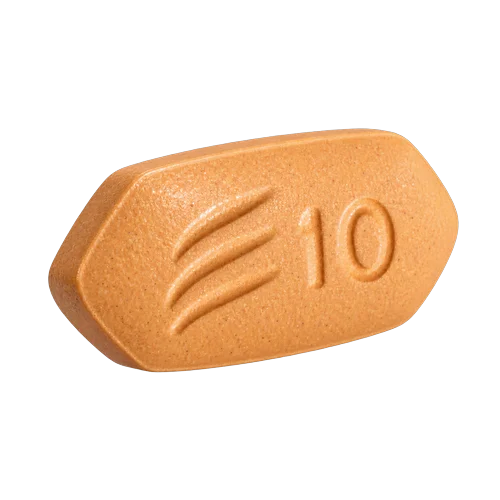
What doctors say

In clinical practice, cardiologists usually explain prasugrel as protection for the coronary intervention rather than a medicine that relieves pain. It does not dissolve an existing stent or open a narrowed artery by itself. Its role is to reduce platelet-driven clotting after the coronary event and PCI.

A cardiologist will usually focus on three issues: preventing missed doses, identifying bleeding early, and avoiding unplanned interruption. The risk of stent thrombosis is greatest when antiplatelet treatment is interrupted too soon, while bleeding risk rises when prasugrel is combined with unnecessary medicines that impair clotting.

The NHS Specialist Pharmacy Service highlights the importance of structured medication review when antiplatelet therapy is changed, interrupted, or combined with other medicines. This is relevant after discharge, when several prescriptions may be managed by different healthcare teams.

A practical clinical observation is that patients often focus on bruises and overlook black stools, persistent fatigue, or a gradual drop in exercise tolerance. Those symptoms can indicate gastrointestinal bleeding or anaemia and deserve prompt assessment.

Common questions

Can Prasugrel affect driving, concentration, or work with machinery?

Prasugrel does not usually impair concentration or produce sedation, so many patients can drive when they are medically fit after the coronary event. The MHRA advises in its 2025 guidance that driving decisions after myocardial infarction or PCI depend on symptoms, recovery, and the applicable UK licensing rules. Dizziness, fainting, severe anaemia, chest pain, or breathlessness makes driving unsafe regardless of the tablet itself. Do not drive after a suspected serious bleed or while awaiting urgent assessment. New neurological symptoms also require urgent medical evaluation.

What happens when Prasugrel is stopped, and does it need tapering?

Prasugrel does not require dose tapering in the usual pharmacological sense because the treatment is stopped rather than gradually reduced. Platelet inhibition can continue for several days after the last tablet because the effect is irreversible on exposed platelets. The EMA's 2025 product information describes the need to weigh bleeding against thrombotic risk when treatment is interrupted. Never stop it independently after PCI, because abrupt interruption can increase the risk of clotting around a coronary stent.

Can the tablet be split, crushed, or chewed?

The tablet should be swallowed whole with water unless an authorised clinical instruction says otherwise. Crushing or chewing can make administration less predictable and may be unsuitable when the tablet has a film coating. The NHS Specialist Pharmacy Service advises checking formulation-specific administration before altering oral medicines, with guidance reviewed in 2025. A swallowing problem should be reported before changing the tablet physically.

Which condition rules Prasugrel out completely?

A previous stroke or transient ischaemic attack is a firm contraindication to prasugrel treatment. Active pathological bleeding and serious hypersensitivity to prasugrel are also exclusion criteria in the EMA's 2025 product information. Patients aged 75 years or above are not automatically excluded, but the bleeding risk requires a strong clinical justification. The same applies to people weighing below 60 kg, who may need a different regimen.

Can Prasugrel be taken with food or on an empty stomach?

Prasugrel may be taken with food or without food, and a consistent daily routine can improve adherence. The FDA's 2024 prescribing information states that food does not prevent administration, although a high-fat meal may alter the speed of absorption without removing the antiplatelet effect. Take it with water and keep the timing regular. Food does not remove the risk created by alcohol, anti-inflammatory painkillers, anticoagulants, or other medicines that increase bleeding.

Do you offer anonymous delivery?

Your order will be securely packed and shipped within 24 hours. This is exactly what your package will look like (images of an actual item sent). It has the size and look of a regular private letter (24x11x0.7 cm) and its contents cannot be seen.

Reviews: Prasugrel

Based on 4 reviews

Liam C., 40 Verified
Rating: 3.5 out of 5

Reading, had been prescribed prasugrel after an angioplasty. During the first month he noticed larger bruises on his arms, but he did not have nosebleeds or stomach symptoms. Linking the tablet to breakfast helped him avoid missed doses.

Reading The first month 21 Oct 2026
Richard, 43 Verified
Rating: 3.5 out of 5

Bradford, reported that his recovery after PCI felt steady over several weeks. He had one prolonged nosebleed after knocking his face and needed urgent advice, which made him more careful about contact sports and painkillers.

Bradford Several weeks 27 Oct 2026
Daniel, 59 Verified
Rating: 3 out of 5

Portsmouth, found the daily routine straightforward but disliked frequent small bruises on his hands. He had initially considered stopping the medicine himself, then learned that interruption after stenting can be dangerous and arranged a medication review instead.

Portsmouth 30 Sept 2026
Christopher R., 60 Verified
Rating: 2 out of 5

Derby, described good adherence after an acute coronary syndrome but developed dark stools and marked tiredness several weeks later. Hospital assessment identified gastrointestinal bleeding, and his antiplatelet plan was changed under specialist supervision.

Derby Several weeks later 9 Oct 2026

Sources

  1. European Medicines Agency (2025). Efient: Summary of Product Characteristics (prasugrel).
  2. U.S. Food and Drug Administration (2024). Prasugrel Tablets: Prescribing Information.
Get our free app Shop faster and track your orders 3.5 · 225 reviews Install