Skip to content
Fast & Discreet Delivery Save up to 80%
In Stock Colchicine
Gout

Colchicine

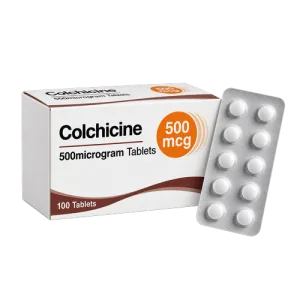
Colchicine helps calm the inflammatory response caused by urate crystals in a joint. It is used for acute gout attacks in adults, with 500 microgram tablets supplied for individually prescribed…

Guaranteed quality Original product
Delivery: from 4 days Discreet delivery
24/7 Support Always available
Active ingredient: Colchicine
Select pack Package Per tablet Price
£ 1.58 £ 94.60
£ 1.30 £ 141.90 £ 116.96 Save 18%
£ 1.15 £ 189.20 £ 138.46 Save 27%
Free Standard Delivery £ 1.02 £ 283.80 £ 184.04 Save 35%
Free Standard Delivery £ 0.92 £ 425.70 £ 249.40 Save 41%
Best value Free Express Delivery £ 0.88 £ 567.60 £ 317.34 Save 44%

Free delivery on orders from £ 172.00, free express delivery from £ 258.00

Secure payment methods:
VISA AMEX JCB DISCOVER

Colchicine helps calm the inflammatory response caused by urate crystals in a joint. It is used for acute gout attacks in adults, with 500 microgram tablets supplied for individually prescribed dosing. The medicine reduces inflammation but does not lower uric acid.

Product information

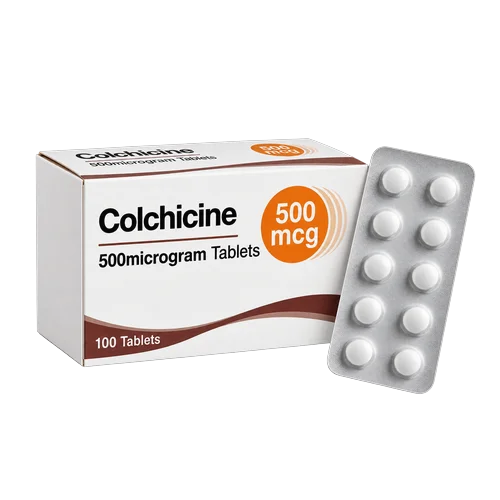
Colchicine is an anti-inflammatory treatment for gout. The active ingredient in these tablets is colchicine at a strength of 500 micrograms per tablet. This is the component responsible for the anti-inflammatory action used in gout.

What it is used for

Colchicine is an anti-inflammatory treatment for gout. During a gout flare, urate crystals collect in a joint and activate immune cells. This produces swelling, heat, tenderness and pain. Colchicine reduces the inflammatory reaction around those crystals, helping the flare settle.

It treats the inflammation of gout rather than removing the urate crystals or correcting the high uric acid level that caused them. Long-term urate-lowering treatment has a different purpose and may be prescribed separately.

Acute gout attack relief

Colchicine works best when treatment begins early in a flare, following the prescribed regimen. The exact amount per intake is set individually rather than being one fixed number for every person. A prescriber may take account of kidney function, liver function, age, other medicines and the severity of symptoms.

The medicine is not a general painkiller for every type of joint pain. Its role is linked to crystal-driven inflammation in conditions such as gout. NICE guidance describes anti-inflammatory treatment, including colchicine, as an option for managing gout flares when clinically suitable [1].

Do not increase the number of tablets because the joint still hurts. Colchicine has a narrow safety margin, so extra doses can cause toxicity rather than faster relief.

Inflammation reduction without uric acid lowering

Colchicine can reduce the swelling and pain of an existing flare, but it does not lower blood urate. For example, a person may feel better after a flare while the tendency to form urate crystals remains.

This distinction matters because symptom relief and prevention are separate treatment goals. A clinician may use colchicine for an acute episode and consider urate-lowering treatment, such as allopurinol, to reduce future attacks.

Ingredients

The tablets contain:

  • Active ingredient: colchicine
  • Strength: 500 micrograms per tablet
  • Dosage form: oral tablet
  • Therapeutic role: anti-inflammatory treatment for gout
  • Regulatory category: prescription-only medicine

How it affects the body

Colchicine enters inflammatory cells and interferes with microtubules. Microtubules are tiny internal structures that help cells move, change shape and release chemical signals. By disrupting these processes, colchicine reduces the movement and activation of white blood cells around urate crystals.

The result is less inflammatory signalling in the affected joint. Colchicine does not dissolve the crystals directly and does not lower the uric acid concentration in the bloodstream. Its action is directed at the body’s response to the crystals.

The MHRA product information warns that colchicine toxicity can develop when exposure becomes excessive, especially with impaired kidney or liver function and interacting medicines [2]. This explains why apparently small changes in dose or drug combinations can matter.

Colchicine differs from treatments that lower urate production or increase urate excretion. It acts during the inflammatory process, while preventive medicines work on the longer-term biochemical cause of recurrent gout.

How to use it

  • Take Colchicine tablets by mouth as individually prescribed for an acute gout attack.
  • Each tablet contains 500 micrograms of colchicine.
  • The amount taken at each intake is set individually for each person rather than being one fixed amount.
  • The duration is determined by the prescriber. Do not repeat or extend the course unless instructed.
  • The timing in relation to meals is not specified; follow the instructions given with your prescription.
  • If a dose is missed, do not double the next dose or take extra tablets.
  • If severe or persistent diarrhoea, nausea, vomiting or worsening stomach pain occurs, stop taking further doses and seek urgent clinical advice.

Comparison

Colchicine and allopurinol can both appear in a gout treatment plan, but they are not interchangeable.

Treatment Main role Key distinction
Colchicine Controls inflammation during a gout flare Does not lower uric acid
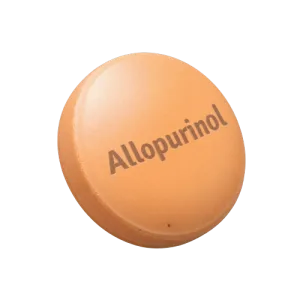
Allopurinol Lowers uric acid to prevent future attacks Does not provide the same immediate anti-inflammatory role

Colchicine treatment role

Colchicine targets the inflammatory response to urate crystals. It may be prescribed during an acute flare or in selected situations when preventive urate-lowering treatment is being started or adjusted.

The regimen is individualised. A person should not use leftover tablets for a new episode without confirming the intended plan, because the suitable amount can change with age, organ function and interacting medicines.

Allopurinol prevention role

Allopurinol reduces uric acid production by inhibiting xanthine oxidase. Its purpose is long-term prevention of recurrent gout and urate deposition, rather than direct treatment of pain during a flare.

Starting or adjusting allopurinol requires a planned regimen and follow-up. Some patients may receive colchicine alongside urate-lowering treatment for a period, since changes in urate levels can coincide with further flares.

Clinical comparison

Colchicine calms the immune response. Allopurinol changes urate production. A prescriber may use one, the other or both at different stages, depending on the person’s gout history, urate level, kidney function and treatment tolerance.

Common mistakes

Several avoidable errors can make treatment less safe:

  • Taking extra tablets because pain continues: use only the prescribed regimen and seek advice when symptoms are not settling.
  • Repeating an old course for a new flare: confirm that the same plan still applies, especially after changes in kidney function or other medicines.
  • Ignoring diarrhoea or vomiting: treat these as possible toxicity signals rather than ordinary stomach upset.
  • Doubling a missed dose: skip or reschedule only according to the prescribed instructions.
  • Failing to mention a new antibiotic: provide a complete medicine list before taking further colchicine.
  • Using colchicine to prevent every episode without a prevention plan: discuss recurrent gout and urate-lowering treatment with the prescriber.

A common practical mistake is focusing only on the painful joint. The stomach and bowel may provide the earliest warning that colchicine exposure is too high.

Who should not use it

  • Severe kidney impairment or significant liver impairment
  • A serious blood disorder or bone marrow problem
  • A known allergy to colchicine
  • Current severe gastrointestinal symptoms that may indicate toxicity
  • A prescription or medicine combination known to raise colchicine levels
  • A previous serious reaction to colchicine

Some medicines can increase colchicine concentrations by affecting enzymes or transport proteins involved in its clearance. Examples include certain antibiotics used for infections, some medicines for heart conditions and selected cholesterol-lowering treatments.

When this is not for you

Colchicine should not be used without specific prescriber approval if you have severe kidney or liver problems, a serious blood or bone marrow condition, an allergy to colchicine, severe stomach or bowel symptoms, or a previous serious reaction to the medicine.

People with kidney or liver problems may clear colchicine more slowly. This can increase exposure even when the tablet strength has not changed. The prescriber may choose a different regimen or another treatment.

Pregnancy and breastfeeding require an individual risk assessment. Tell the prescriber about pregnancy, planned pregnancy or breastfeeding before treatment begins.

Tell the prescriber about every medicine, including occasional treatments and herbal products. Do not start or stop a suspected interacting medicine without medical direction.

Mention antibiotics, heart medicines and cholesterol treatment specifically when your medicines are reviewed. These categories can contain drugs that alter colchicine exposure, even when the medicine seems unrelated to gout.

Possible side effects

Digestive symptoms are the main early adverse effects associated with colchicine. The risk rises when the dose is too high, doses are taken too close together, kidney or liver clearance is reduced, or an interacting medicine raises colchicine levels.

Gastrointestinal side effects

Possible effects include:

  • Diarrhoea
  • Nausea
  • Vomiting
  • Stomach pain or abdominal discomfort

Mild symptoms still deserve attention because worsening gastrointestinal effects may signal excessive exposure. Severe diarrhoea or vomiting can also cause dehydration, which may make illness harder to manage.

Do not treat severe symptoms by taking an anti-diarrhoeal medicine and continuing colchicine without clinical advice. Further doses may need to be stopped while the situation is assessed.

Serious blood and bone marrow reactions

Rare but serious toxicity can affect the blood-forming tissues of the bone marrow. Warning symptoms may include unusual bruising, bleeding, fever, repeated infections, sore throat, mouth ulcers or marked weakness.

These symptoms require urgent medical assessment. Blood tests may be needed to check blood-cell counts and organ function. Bone marrow disease is not a routine effect, yet the possibility makes persistent or unusual symptoms clinically significant.

Colchicine overdose warning signs

Toxicity may progress beyond the first digestive symptoms. Later complications can involve severe weakness, muscle injury, nerve problems, kidney damage or dangerous changes in blood cells.

A suspected overdose requires urgent medical help even if the person feels well. Do not wait for symptoms to appear, take a counter-dose or attempt home treatment.

The FDA prescribing information also describes serious colchicine toxicity after excessive dosing and interactions, supporting the need for rapid assessment after a suspected overdose [3].

What doctors say

In clinical practice, physicians usually focus on three points: early treatment of the flare, strict adherence to the individual regimen and recognition of digestive toxicity. Colchicine can be useful when an anti-inflammatory option is needed, but its narrow safety margin means that more tablets do not equal better treatment.

Doctors also review kidney function, liver function and the full medication list before repeating treatment. A patient who has tolerated colchicine previously may still face a different risk after a new antibiotic or a change in kidney function.

The practical expectation is symptom control, not a permanent correction of urate metabolism. Recurrent attacks often prompt discussion of long-term urate management rather than repeated self-treatment with colchicine.

Common questions

What is the best time of day to take Colchicine?

The best time depends on the prescribed regimen and the stage of the gout flare. Colchicine should be taken at the times instructed by the prescriber, with doses spaced exactly as directed rather than concentrated at one point in the day. MHRA product information updated in 2024 emphasises dose limits and interaction precautions for colchicine. Taking it with food may be suitable for some people who experience stomach upset, but the prescribed instructions take priority. Contact a pharmacist or prescriber if the timing is unclear.

Can I drive, concentrate or operate machinery while taking Colchicine?

Colchicine does not usually create a direct sedative effect, yet pain, nausea, diarrhoea, weakness or dizziness may reduce concentration. Do not drive or operate machinery if you feel unwell or unable to respond safely. NHS medicine advice available in 2025 supports judging fitness to drive by the symptoms caused by the medicine and the underlying illness. Severe weakness or confusion needs urgent assessment rather than continued work with machinery.

How does Colchicine differ from Allopurinol?

Colchicine reduces inflammation around urate crystals during a gout flare. Allopurinol lowers uric acid production and is used for prevention over a longer period. NICE gout guidance from 2022 describes urate-lowering treatment as part of prevention planning, while colchicine has a different anti-inflammatory role. The two medicines may be used in the same treatment plan, but neither should be substituted for the other without prescriber direction.

Can I drink alcohol while using Colchicine?

Alcohol can increase the likelihood of gout flares by affecting urate balance and may worsen dehydration or stomach upset during an attack. It does not create a simple fixed rule that applies to every patient taking colchicine. The WHO guidance on alcohol and health, reviewed in 2023, supports limiting alcohol where it worsens a relevant medical condition. Avoid alcohol during severe nausea, vomiting or diarrhoea and follow the specific advice given with your gout treatment plan.

Which condition rules out Colchicine?

Severe kidney impairment, significant liver impairment, serious blood disorders and known colchicine allergy can rule out treatment or require specialist control. Colchicine may also be unsuitable with medicines that substantially raise its concentration. EMA product information available in 2024 highlights the need to assess renal function, hepatic function and interacting medicines before use. A suspected overdose is an emergency regardless of whether symptoms have started.

What should I do if I develop diarrhoea or vomiting?

Stop taking further doses and seek urgent clinical advice if diarrhoea or vomiting is severe, persistent or accompanied by weakness or abdominal pain. These symptoms can be early signs of excessive colchicine exposure. Do not take an additional tablet to compensate for fluid loss or continue the course without advice. The MHRA safety information from 2024 links gastrointestinal symptoms with the need to consider colchicine toxicity and further assessment.

Do you offer anonymous delivery?

Your order will be securely packed and shipped within 24 hours. This is exactly what your package will look like (images of an actual item sent). It has the size and look of a regular private letter (24x11x0.7 cm) and its contents cannot be seen.

Comparison

All options for Gout at a glance

Reviews: Colchicine

Based on 4 reviews

Darren, 69 Verified
Rating: 3.5 out of 5

I used the 500 microgram tablets during a flare after my GP prescribed them. The swelling eased over the next day, but I had loose stools, so I did not take another dose until I had received advice.

Derby 27 Oct 2026
John, 68 Verified
Rating: 3.5 out of 5

The tablets helped with the sharp pain in my toe. I had previously assumed colchicine lowered uric acid, so the explanation about long-term prevention was useful. I still needed a separate plan for recurring attacks.

York 1 Oct 2026
Michael, 49 Verified
Rating: 3.5 out of 5

My first day was manageable, although I felt nauseated after taking the tablets. I contacted the surgery rather than adding more, and the regimen was adjusted around my kidney results.

Wolverhampton 18 Oct 2026
Craig N., 33 Verified
Rating: 4.5 out of 5

I found treatment easier when I took the tablets exactly as prescribed. The flare did not disappear straight away, and I initially expected faster relief, but the joint was less swollen after continued clinical management.

Edinburgh 9 Oct 2026

Sources

  1. NICE (2022). Gout: diagnosis and management, NICE guideline NG219.
  2. MHRA (2024). Colchicine 500 microgram Tablets — Summary of Product Characteristics.
  3. U.S. Food and Drug Administration (2023). Colcrys (colchicine) prescribing information.
Get our free app Shop faster and track your orders 3.5 · 225 reviews Install