Skip to content
Fast & Discreet Delivery Save up to 80%
In Stock Alli
Weight Loss

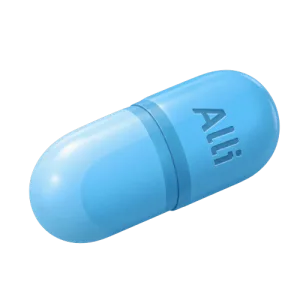
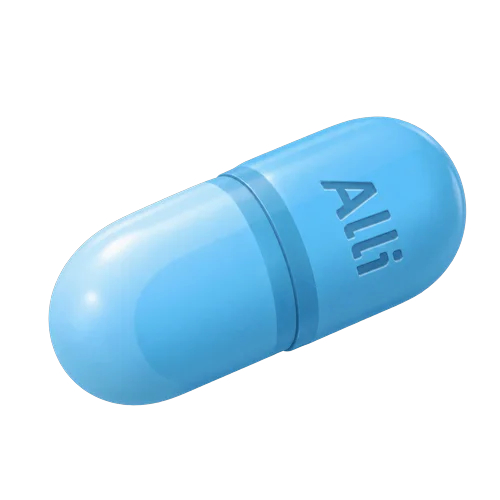
Alli

Alli capsules are taken by mouth alongside meals containing dietary fat as part of a reduced-calorie weight-management plan. They are intended for adults who meet the clinical eligibility threshold…

Guaranteed quality Original product
Delivery: from 4 days Discreet delivery
24/7 Support Always available
Active ingredient: Orlistat
Select pack Package Per tablet Price
£ 4.10 £ 122.98
Free Standard Delivery £ 3.27 £ 245.96 £ 196.08 Save 20%
Free Express Delivery £ 2.99 £ 368.94 £ 269.18 Save 27%
Free Express Delivery £ 2.89 £ 491.92 £ 346.58 Save 30%
Free Express Delivery £ 2.75 £ 737.88 £ 495.36 Save 33%
Free Express Delivery £ 2.65 £ 1,106.82 £ 716.38 Save 35%
Best value Free Express Delivery £ 2.60 £ 1,475.76 £ 935.68 Save 37%

Free delivery on orders from £ 172.00, free express delivery from £ 258.00

Secure payment methods:
VISA AMEX JCB DISCOVER

Alli capsules are taken by mouth alongside meals containing dietary fat as part of a reduced-calorie weight-management plan. They are intended for adults who meet the clinical eligibility threshold for non-prescription weight-management treatment. The active ingredient works inside the digestive tract by limiting the breakdown and absorption of some dietary fat.

Product information

Alli belongs to the lipase-inhibitor group of weight-management medicines. Its active ingredient is orlistat, which acts mainly inside the stomach and small intestine rather than producing a central appetite-suppressing effect.

What it is used for

A starting BMI of 28 kg/m² is the usual threshold for Alli-style non-prescription weight management. BMI is calculated by dividing body weight in kilograms by height in metres squared. It provides a screening measure rather than a complete health assessment.

BMI range General interpretation Relevance to Alli
Below 25 Usually within the healthy range Weight-loss medicine is generally not appropriate solely for cosmetic weight reduction
25 to 27.9 Overweight range The usual non-prescription eligibility threshold is not met
28 or above Higher weight range May meet the BMI criterion, subject to medical suitability

BMI can be misleading in people with high muscle mass, pregnancy, significant fluid retention, or certain medical conditions. Waist circumference, blood pressure, blood glucose, cholesterol, eating pattern, and current medicines also influence the clinical decision.

Alli is intended for adults.

Ingredients

Alli contains orlistat, an active ingredient in the lipase-inhibitor group of weight-management medicines. It acts mainly inside the stomach and small intestine by limiting the breakdown and absorption of some dietary fat.

How it affects the body

A lipase is a digestive enzyme. Gastric and pancreatic lipases normally break dietary fat into smaller molecules so the intestine can absorb it. Orlistat temporarily inhibits these enzymes, leaving part of the ingested fat undigested. That fat passes through the bowel in the stool.

The action is local to the digestive tract. Only a small amount of orlistat is absorbed systemically, which distinguishes it from treatments that alter appetite, blood glucose regulation, or hormone signalling throughout the body [1].

The role of orlistat

Orlistat does not dissolve existing body fat directly. Its effect depends on the amount of fat eaten with each meal.

Enzyme inhibition in the digestive tract

Alli does not work by making a person feel full after one capsule. Its main pharmacological effect is reduced absorption of dietary fat. Carbohydrate, protein, and alcohol are not blocked in the same way, so the total calorie content of meals still matters.

How to use it

The regimen for the chosen strength should be confirmed with a healthcare professional before starting. Alli is taken orally with a meal that contains fat, or shortly after that meal. A capsule is not useful with a meal that contains no fat, and taking extra capsules does not compensate for missed doses.

Practical use involves these principles:

  • Take the capsule with each main meal that contains dietary fat.
  • Skip the dose when a main meal is missed or contains no fat.
  • Do not take an additional capsule to make up for a missed dose.
  • Keep total daily calories below usual maintenance needs.
  • Spread fat intake across breakfast, lunch, and dinner.
  • Include vegetables, fruit, wholegrain carbohydrates, and lean protein.
  • Maintain adequate fluid intake.
  • Use regular physical activity that matches your fitness and medical status.

A lower-fat diet is not the same as a fat-free diet. Some dietary fat is needed for normal nutrition, but very large portions of fried food, pastries, fatty meat, creamy sauces, and full-fat snacks can make bowel effects much worse.

Fat-soluble vitamins deserve attention. Reduced fat absorption can also reduce absorption of vitamins A, D, E, and K. A clinician may recommend a suitable multivitamin, taken at a different time from Alli, when prolonged treatment makes this relevant.

A practical timing habit is to take any recommended fat-soluble vitamin supplement at bedtime rather than alongside Alli. This reduces the chance that the medicine will interfere with its absorption.

Comparison

Different weight-management medicines act at different sites. Alli uses a local gastrointestinal mechanism, while GLP-1 receptor agonists and dual incretin medicines act through systemic hormonal pathways. The FDA and EMA describe orlistat as a lipase inhibitor; prescription-strength products use the same active principle as Alli but are regulated and prescribed under different conditions.

Approach Main mechanism Typical clinical distinction
Alli-style orlistat treatment Blocks gastric and pancreatic lipases in the intestine Oral treatment; bowel effects depend strongly on dietary fat
Prescription-strength orlistat Same lipase-inhibitor mechanism at a different prescribed regimen May be considered when a clinician selects a higher-intensity or supervised approach
GLP-1 or dual-incretin treatment Alters appetite, gastric emptying, and glucose-regulating signals Usually prescription treatment; gastrointestinal effects and injection-related considerations differ

Orlistat-based treatment may suit adults who prefer a local digestive mechanism and can follow a lower-fat eating pattern. It does not usually suppress appetite in the same way as centrally acting or hormone-based treatments.

GLP-1 receptor agonists and medicines containing tirzepatide have a different pharmacology. They may reduce appetite and food intake, but they also require assessment of medical history, glucose status, gastrointestinal health, and other medicines. They are not interchangeable with Alli.

A doctor may choose one approach over another based on BMI, diabetes risk, cardiovascular disease, eating pattern, previous treatment response, pregnancy plans, and ability to tolerate gastrointestinal effects. The presence of a lower BMI alone does not establish suitability.

Common mistakes

Several practical errors reduce the benefit or increase bowel side effects:

  1. Taking a capsule with every meal, including meals that contain no fat.
  2. Eating very little during the day and then consuming a high-fat evening meal.
  3. Assuming that extra capsules produce faster weight loss.
  4. Forgetting that oils, mayonnaise, cheese, nuts, and dressings contribute substantial fat.
  5. Taking a multivitamin at the same time as Alli.
  6. Continuing treatment during persistent diarrhoea without reviewing hydration.
  7. Measuring progress only by day-to-day scale changes.
  8. Stopping all physical activity because the medicine is being used.
  9. Starting without checking interactions with anticoagulants, thyroid treatment, or ciclosporin.
  10. Treating the medicine as an appetite suppressant.

One easily missed detail is restaurant food. A meal may look moderate while containing a large amount of oil or butter used during cooking. Symptoms can follow later, when the source of the problem is no longer obvious.

Who should not use it

The following situations require a different treatment decision or specific medical assessment:

  • Pregnancy or planned pregnancy.
  • Breastfeeding unless a clinician has confirmed suitability.
  • Chronic malabsorption syndrome.
  • Cholestasis or impaired bile flow.
  • Previous serious reaction to orlistat or an excipient.
  • Significant liver disease.
  • Recurrent kidney stones or kidney impairment.
  • Severe, persistent diarrhoea.
  • An eating disorder or unstable nutritional intake.

Specific medicine interactions matter. Orlistat may reduce absorption of ciclosporin, levothyroxine, some antiepileptic medicines, and medicines affected by changes in vitamin K absorption. Warfarin users may need closer anticoagulation monitoring because vitamin K status can influence anticoagulant control.

People taking amiodarone, medicines for diabetes, or thyroid replacement therapy should have their treatment reviewed before starting.

When this is not for you

Alli is NOT for you if you cannot maintain regular meals or have a condition causing poor fat absorption. It is also unsuitable when unexplained jaundice, severe abdominal symptoms, or recurrent dehydration are already present.

Possible side effects

The most characteristic adverse effects involve the bowel. They arise from unabsorbed fat reaching the colon and are more likely when meals contain a high proportion of fat.

Common effects include:

  • Oily spotting or oily stools.
  • Increased urgency to open the bowels.
  • Loose stools or diarrhoea.
  • Flatulence with discharge.
  • Abdominal discomfort or bloating.
  • More frequent bowel movements.
  • Difficulty controlling bowel movements.

These effects can begin early in treatment, often after a very fatty meal. They may become less troublesome when dietary fat is reduced and divided more evenly throughout the day.

The medicine can affect vitamin absorption. People with existing nutritional deficiencies, chronic diarrhoea, inflammatory bowel disease, or a restricted diet may need closer assessment. Persistent diarrhoea can also contribute to dehydration and electrolyte imbalance.

Alli can cause inconvenience at work, during commuting, or while travelling. Carrying spare underwear and choosing meals with modest fat content can be practical during the first weeks. That is a management strategy, not a reason to increase the dose.

Oily leakage is easier to manage when the first doses are taken on days with easy toilet access. A high-fat takeaway meal can produce symptoms several hours later, not only immediately after eating.

Urgent medical assessment is needed for severe or persistent abdominal pain, yellowing of the skin or eyes, dark urine, marked weakness, severe dehydration, blood in the stool, or signs of a serious allergic reaction such as facial swelling or breathing difficulty.

What doctors say

In clinical practice, doctors usually present Alli as a tool that supports a structured weight-management plan rather than a replacement for dietary change. The medicine has a clear mechanism, but its benefit depends on whether the person can maintain a lower-calorie, lower-fat eating pattern.

Clinicians often use the first several weeks to assess tolerability. Frequent oily stools, urgency, or leakage may show that meals contain more fat than the person realises. A food diary can reveal hidden sources such as cooking oils, cheese, dressings, creamy coffee drinks, and snack portions.

A realistic target is gradual weight reduction. Faster loss is not automatically better, especially when it involves dehydration or severe dietary restriction. The MHRA and EMA describe orlistat within a structured weight-management framework that includes diet, activity, and eligibility assessment [2].

A doctor would also review whether the treatment remains useful after the initial period. If weight is not reducing despite consistent use and dietary changes, continuing indefinitely without reassessment is unlikely to solve the underlying problem.

Common questions

Can Alli be combined with medicines or supplements?

Alli can interact with ciclosporin, levothyroxine, warfarin, some antiepileptic medicines, amiodarone, and certain diabetes treatments. Fat-soluble vitamin supplements may need separate timing because orlistat can reduce absorption of vitamins A, D, E, and K. The MHRA’s medicine-safety principles, set out in 2014, support checking interaction risks before treatment, especially when several regular medicines are involved [3]. A pharmacist or prescriber should confirm the regimen before the first dose. A written medication list can make that review more reliable.

How should Alli be stored at home or while travelling?

Keep Alli in its original container, away from excess heat, moisture, and direct sunlight. Avoid leaving capsules in a hot car, a steamy bathroom, or an uninsulated suitcase. The WHO’s 2006 medication-safety guidance advises maintaining suitable medicine storage conditions during transport and at home, with special attention to heat and humidity [4]. Travellers should carry enough for the planned period and keep it with their medicines rather than in checked luggage.

What happens after stopping Alli, and is tapering needed?

Orlistat does not usually require a taper because it does not create the type of physiological dependence associated with some centrally acting medicines. Its digestive effect fades after treatment stops, so appetite and fat absorption return to their usual pattern. Weight can return if calorie intake increases or activity falls. NICE weight-management guidance from 2014 supports continuing dietary and behavioural measures after a medicine is stopped [5].

How soon might the effect become noticeable?

Digestive effects can appear after the first meals containing fat, while measurable weight change generally takes longer. Body weight may fluctuate because of fluid, bowel contents, and normal day-to-day variation. A consistent trend over several weeks gives a more useful picture than a single weighing. The European Medicines Agency’s 2013 product information describes orlistat as part of an ongoing weight-management programme rather than a rapid short-term intervention .

Which symptoms require urgent medical attention?

Seek urgent medical care for facial or throat swelling, breathing difficulty, fainting, severe abdominal pain, yellow skin or eyes, dark urine, marked dehydration, or blood in the stool. Persistent vomiting or diarrhoea also warrants prompt assessment because fluid and electrolyte loss can become serious. The MHRA’s 2014 safety information recognises severe allergic reactions and significant liver symptoms as reasons for urgent medical review . Do not continue taking further doses while awaiting assessment if a serious reaction is suspected.

Which diet, exercise, and daily habits support the result?

A lower-calorie diet with moderate, evenly distributed fat usually improves tolerability and supports weight reduction. Regular walking, resistance exercise, sleep routines, and planned meals can help preserve muscle and reduce unplanned snacking. Very restrictive dieting, skipped meals, and large high-fat meals tend to hinder progress. WHO guidance from 2020 links sustainable weight management with dietary quality, physical activity, and long-term behaviour change .

Can Alli affect driving, concentration, or machinery work?

Alli is not generally expected to impair alertness or concentration directly. Urgent bowel movements, diarrhoea, abdominal cramps, or fear of leakage can still distract someone while driving or operating machinery. The EMA’s 2013 product information advises considering practical symptoms when a medicine affects daily activities . Avoid driving until you know how your body responds, especially during the first days of treatment or after a high-fat meal.

Do you offer anonymous delivery?

Your order will be securely packed and shipped within 24 hours. This is exactly what your package will look like (images of an actual item sent). It has the size and look of a regular private letter (24x11x0.7 cm) and its contents cannot be seen.

Comparison

All options for Weight Loss at a glance

Reviews: Alli

Based on 5 reviews

Sarah, 42 Verified
Rating: 3 out of 5

The first week was awkward because I underestimated how much fat was in sauces and cheese. Once I changed breakfast and stopped adding oil to lunch, the urgency settled. The weight loss was gradual rather than dramatic, but the routine felt manageable.

Swansea Six weeks 28 Oct 2026
Catherine B., 59 Verified
Rating: 2 out of 5

I had loose stools after a takeaway meal and decided it was too inconvenient for social plans. My diet was not very consistent, so I probably expected the capsules to do more than they could. I stopped after discussing it with my clinician.

London One month 30 Sept 2026
Louise, 48 Verified
Rating: 5 out of 5

The first fortnight involved more toilet planning than I expected. A food diary helped me find the hidden fat in salad dressings and snacks. After that, I felt more in control and lost weight slowly.

Derby Three months 22 Oct 2026
Megan, 43 Verified
Rating: 3 out of 5

I noticed less progress when I skipped meals and then ate a large dinner. Regular meals worked better. I also separated my vitamin supplement from the capsules, which was easier to remember at bedtime.

Ipswich Eight weeks 8 Oct 2026
Sophie, 29 Verified
Rating: 2 out of 5

I did not experience much appetite change, which surprised me. The medicine seemed to work through bowel symptoms rather than making me feel full. I chose to focus on diet and exercise instead after reviewing the results.

Hull Four weeks 13 Oct 2026

Sources

  1. European Medicines Agency (2013). Orlistat — Summary of Product Characteristics and European public assessment information.
  2. European Medicines Agency (2018). Xenical — European public assessment report and product information.
  3. Medicines and Healthcare products Regulatory Agency (2014). Orlistat: risk of serious liver injury.
  4. World Health Organization (2006). Five Moments for Medication Safety.
  5. National Institute for Health and Care Excellence (2014). Obesity: identification, assessment and management.
Get our free app Shop faster and track your orders 3.5 · 225 reviews Install