Luton, started Contrave in January for weight management alongside gym sessions four times a week. The first two weeks were rough — constant nausea and a headache that wouldn't quit. By week five on the full dose, appetite was noticeably lower and I'd dropped a few kilos. Still dealing with mild constipation three months in, but it's manageable with more water and fibre.
Luton Three months 6 Oct 2026
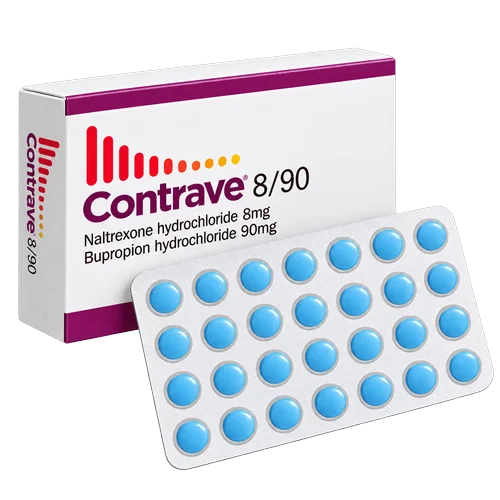
Contrave
Two molecules do the work inside Contrave: naltrexone hydrochloride and bupropion hydrochloride. Combined into a single tablet, they target the appetite-regulation and reward circuits of the brain…
Two molecules do the work inside Contrave: naltrexone hydrochloride and bupropion hydrochloride. Combined into a single tablet, they target the appetite-regulation and reward circuits of the brain, helping adults with obesity or overweight reduce food intake when paired with a lower-calorie diet and regular physical activity.
Product information
Naltrexone HCl is an opioid receptor antagonist originally developed for alcohol and opioid dependence. Bupropion HCl is a norepinephrine-dopamine reuptake inhibitor also marketed on its own as an antidepressant and smoking-cessation aid.
What it is used for
It is manufactured by Currax Pharmaceuticals LLC and is indicated for chronic weight management in adults who meet specific body mass index thresholds for obesity or overweight with an associated condition such as type 2 diabetes or hypertension.
Ingredients
Two molecules do the work inside Contrave: naltrexone hydrochloride and bupropion hydrochloride.
How it affects the body
Neither ingredient alone produces the same effect as the combination. Bupropion stimulates neurons in the hypothalamus that trigger a feeling of fullness. Naltrexone blocks a feedback loop that would otherwise dampen that signal, prolonging the appetite-suppressing effect. The result is a dual-action mechanism distinct from GLP-1 receptor agonists, which work on gut hormones rather than on dopamine and norepinephrine pathways. In clinical practice, doctors often describe this to patients as turning up the brain's "stop eating" signal while turning down the "want more" signal at the same time.
How to use it
Contrave is taken in a stepped-up schedule over four weeks to reduce the risk of nausea and other early side effects.
- Week 1: one tablet each morning
- Week 2: one tablet morning and evening
- Week 3: two tablets in the morning, one in the evening
- Week 4 onward: two tablets morning and evening (the typical maintenance regimen)
The exact titration and maximum daily dose is decided individually, taking age, other medicines, and health conditions into account. Tablets are swallowed whole — crushing, chewing, or splitting them releases the bupropion component too quickly and raises seizure risk, since the extended-release coating is what keeps blood levels steady. Contrave should not be taken with a high-fat meal, which increases bupropion absorption beyond the tested range.
Missed dose: Skip it and take the next scheduled dose at the usual time. Doubling up to "catch up" significantly raises seizure risk because it floods the system with bupropion faster than the extended-release design allows.
Comparison
Contrave sits in a different pharmacological category from the injectable incretin-based therapies that dominate current weight management discussion.
| Drug Name | Active Ingredient | Administration Route |
|---|---|---|
| Contrave | Naltrexone HCl / Bupropion HCl | Oral tablet |
| Wegovy | Semaglutide | Subcutaneous injection |
| Zepbound | Tirzepatide | Subcutaneous injection |
| Saxenda | Liraglutide | Subcutaneous injection |
The injectable options work on GLP-1 and, in the case of Zepbound, GIP receptors, slowing gastric emptying and reducing appetite through gut-hormone signalling. Contrave works centrally, through dopamine, norepinephrine, and opioid receptor pathways, with no injection required. Patients who are needle-averse, or who have a contraindication to GLP-1 therapy, are sometimes steered toward Contrave for that reason. The trade-off is that average weight loss in clinical trials of GLP-1 agonists tends to run higher than what's typically seen with Contrave, so the choice between them often comes down to mechanism tolerance and individual medical history rather than one being universally "stronger."
Common mistakes
- Stopping too early. The appetite effect builds over weeks; quitting during the nauseous first fortnight means never reaching the maintenance dose where benefits appear.
- Skipping the titration schedule. Jumping straight to the maintenance dose to "get results faster" is the single biggest avoidable cause of severe nausea and dizziness.
- Taking it with a high-fat meal. This increases bupropion exposure beyond tested levels and raises side-effect intensity without improving effectiveness.
- Not disclosing opioid use. Patients on chronic opioid pain management who don't mention it risk acute withdrawal within hours of the first dose.
- Expecting rapid results. Comparing week-two progress to GLP-1 injection results sets unrealistic benchmarks; the mechanisms and timelines differ.
Who should not use it
- Uncontrolled hypertension
- Current or past seizure disorder, or a history of anorexia nervosa or bulimia (both raise seizure risk with bupropion)
- Chronic opioid, opiate, or opioid-agonist use (including methadone or buprenorphine for pain or dependence treatment)
- Current abrupt discontinuation of alcohol, benzodiazepines, barbiturates, or anti-seizure medication
- Known allergy to naltrexone, bupropion, or any tablet excipient
- Use of a monoamine oxidase inhibitor (MAOI) within the past 14 days
- Pregnancy, due to insufficient safety data and the weight-loss indication being inappropriate during pregnancy
Bupropion also interacts with other drugs metabolised through the CYP2B6 liver enzyme pathway, including some antipsychotics and antiretrovirals, which can require dose adjustment of either medicine [2].
When this is not for you
This is not for you if you are already taking bupropion in any other form, under any brand or generic name, for depression or smoking cessation. If a dose of Contrave is combined with even a small amount of opioid pain medication — for example after dental surgery — tell the treating clinician beforehand. The naltrexone component can block the opioid's effect entirely or trigger withdrawal symptoms.
Possible side effects
Most people who tolerate Contrave past the first month report a side effect pattern that is predictable and front-loaded.
| Side Effect | When It Typically Occurs |
|---|---|
| Nausea | Most common; peaks during dose titration, often eases by week 4 |
| Headache | Frequent in the first two weeks |
| Constipation | Can persist throughout treatment; manageable with fibre and fluids |
| Dry mouth | Common early on, usually mild |
| Insomnia | More likely if the evening dose is taken too close to bedtime |
| Dizziness | Usually transient, linked to dose increases |
| Tiredness | Reported by a subset of patients, typically in the first weeks |
One detail patients often miss: taking the evening dose right before bed, rather than a few hours earlier, is a common cause of persistent insomnia. Shifting the timing earlier in the evening often resolves it without needing to stop the medication.
Bupropion HCl carries a boxed warning for suicidal thoughts and actions, especially in people under 25 and anyone with a history of depression or other psychiatric conditions. Clinicians monitor mood, behaviour, and any new agitation closely during the first months of treatment and after dose changes. Contrave can also lower the seizure threshold, which is why it is contraindicated in anyone with a current or past seizure disorder. Because naltrexone blocks opioid receptors, it carries a risk of precipitating sudden opioid withdrawal in patients who use opioid pain medicines regularly, and it increases the risk of opioid overdose if a patient stops opioids abruptly to start Contrave and later resumes them at a previous dose. The FDA-reviewed prescribing information also notes severe allergic reactions, including anaphylaxis and angioedema, as well as measurable increases in blood pressure and heart rate that require monitoring, especially in the first weeks of treatment [1].
What doctors say
Clinicians who prescribe Contrave regularly tend to set expectations around pace rather than magnitude. Weight loss that averages a few percent of body weight over several months, building on dietary change rather than replacing it, is the realistic frame most doctors use. In clinical practice, prescribers often describe the first month as a trial period — most of the nausea and headache burden shows up early, and whether a patient tolerates it predicts whether they'll stick with the full course. Doctors also tend to repeat the opioid-interaction warning more than any other, since patients rarely volunteer over-the-counter cold or pain medication use unless asked directly.

Common questions
What should I do if I miss a dose of Contrave?
Skip the missed dose and take the next one at the usual scheduled time. Do not take two doses together to make up for a missed one, since this raises seizure risk by pushing bupropion levels up faster than the extended-release formulation is designed for. The MHRA's 2024 product information for bupropion-containing products specifically warns against dose-doubling for this reason [3]. If more than one dose is missed during the titration phase, contact the prescribing doctor before resuming, as the schedule may need to restart at a lower step.
What happens if I stop taking Contrave, and do I need to taper off?
Contrave can generally be stopped without a formal taper, but appetite suppression will fade over the following days to weeks as the medication clears the system. Stopping abruptly after chronic opioid use alongside Contrave is a different situation and should always involve the prescribing doctor, since naltrexone's opioid-blocking effect changes how the body responds to any opioid taken afterward. The EMA's 2015 Mysimba product information notes that discontinuation is not typically associated with a withdrawal syndrome on its own [4].
Can I drive or operate machinery while taking Contrave?
Dizziness and tiredness are both listed side effects, especially during the first few weeks and after dose increases, so driving or operating machinery should be approached cautiously until the individual response to the medication is clear. The FDA's 2024 Contrave label recommends assessing personal tolerance before resuming tasks that require full alertness, rather than assuming a fixed waiting period applies to everyone [1]. Anyone who experiences dizziness, blurred vision, or marked drowsiness should avoid driving until that specific episode has fully resolved.
What should I discuss with my doctor before starting Contrave?
A complete list of current medications matters most, specifically anything containing bupropion under another name, any opioid pain medicine, and any MAOI taken in the past two weeks. A history of seizures, eating disorders, high blood pressure, or psychiatric conditions including past suicidal thoughts should also be raised directly, since each changes the risk-benefit calculation. The 2024 MHRA product information for bupropion-containing medicines reinforces the need for this medication-history review before initiation. Current blood pressure control is worth confirming as well, since Contrave can raise it further in some patients.
Which symptoms mean I should stop Contrave and see a doctor urgently?
New or worsening suicidal thoughts, unusual changes in mood or behaviour, and any seizure activity require immediate medical attention and discontinuation of the medication. Signs of a severe allergic reaction — swelling of the face, lips, or throat, difficulty breathing, or a widespread rash — are also urgent and warrant emergency care. The FDA's 2024 Contrave label advises that sudden chest pain, a significant rise in blood pressure, or symptoms of opioid withdrawal in anyone who recently used opioids should prompt an urgent call to the prescribing doctor or emergency services rather than waiting for a routine appointment.
Do you offer anonymous delivery?
Your order will be securely packed and shipped within 24 hours. This is exactly what your package will look like (images of an actual item sent). It has the size and look of a regular private letter (24x11x0.7 cm) and its contents cannot be seen.
Comparison
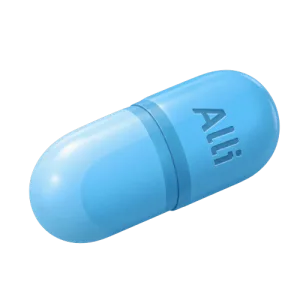
Alli
Contrave Current
Reviews: Contrave
Based on 5 reviews
Southampton, six weeks on Contrave now. Honestly expected faster results given how much everyone talks about it. Nausea was bad for the first ten days, then settled. Appetite control is real though — I stopped thinking about food between meals, which never happened before.
Southampton Six weeks 14 Oct 2026Portsmouth, three months into treatment. Had to ask my GP about a painkiller after a minor procedure and was told to hold off on Contrave for a few days first because of the opioid interaction. Wish I'd known that going in. Otherwise tolerating it well, mild dry mouth most days.
Portsmouth Three months 16 Oct 2026Aberdeen, took Contrave for four months before stopping. Lost some weight in the first two months, then plateaued. Dizziness on dose increases was worse for me than the leaflet made it sound. Talked to my doctor and we're trying a different approach now.
Aberdeen Four months 1 Oct 2026Bradford, on Contrave for five months alongside dietary changes for cholesterol and weight. Blood pressure needed monitoring more closely than I expected — my GP checked it at every visit for the first two months. Appetite reduction has been steady and the insomnia resolved once I moved my evening dose earlier.
Bradford Five months 27 Oct 2026Sources
- FDA (2024). Contrave (naltrexone hydrochloride and bupropion hydrochloride) Prescribing Information
- EMA (2015). Mysimba: Product Information
- MHRA (2024). Zyban 150 mg Prolonged-Release Tablets: Summary of Product Characteristics
- EMA (2015). Mysimba: European Public Assessment Report (EPAR)