Skip to content
Fast & Discreet Delivery Save up to 80%
In Stock Ashwagandha
Herbal Supplements

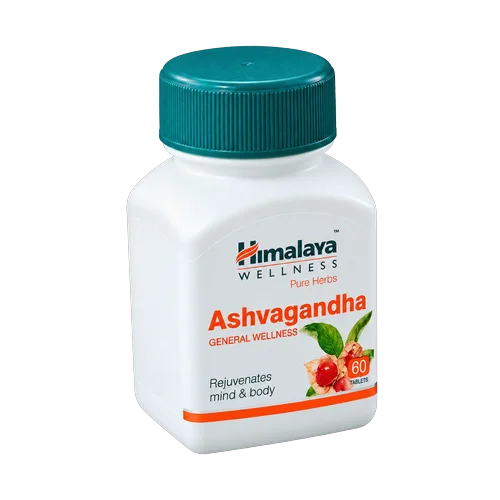
Ashwagandha

Ashwagandha is a botanical supplement made primarily from the root of Withania somnifera. It is used by adults seeking support for stress adaptation, cognitive function, and sleep quality through…

Guaranteed quality Original product
Delivery: from 4 days Discreet delivery
24/7 Support Always available
Active ingredient: Ashwagandha
Select pack Package Per tablet Price
£ 43.00 £ 86.00
£ 38.99 £ 129.00 £ 116.96 Save 9%
£ 36.98 £ 172.00 £ 147.92 Save 14%
Free Standard Delivery £ 35.60 £ 215.00 £ 178.02 Save 17%
Free Standard Delivery £ 34.83 £ 258.00 £ 208.98 Save 19%
Free Standard Delivery £ 34.28 £ 301.00 £ 239.94 Save 20%
Free Express Delivery £ 33.76 £ 344.00 £ 270.04 Save 22%
Free Express Delivery £ 33.44 £ 387.00 £ 301.00 Save 22%
Best value Free Express Delivery £ 33.02 £ 430.00 £ 330.24 Save 23%

Free delivery on orders from £ 172.00, free express delivery from £ 258.00

Secure payment methods:
VISA AMEX JCB DISCOVER

Ashwagandha is a botanical supplement made primarily from the root of Withania somnifera. It is used by adults seeking support for stress adaptation, cognitive function, and sleep quality through effects on the body's stress-response systems.

Product information

The plant grows across India, the Middle East, and parts of Africa, with the root being the primary part harvested for supplement production. Botanists classify it among a small group of adaptogenic herbs studied for their effect on the body's stress-response systems [1].

What it is used for

Three outcomes come up repeatedly in the clinical literature on Ashwagandha root extracts: stress adaptation, cognitive support, and sleep quality.

Stress adaptation is the most studied outcome. A randomised controlled trial published in 2024 in the Journal of Dietary Supplements found that adults taking a standardised Ashwagandha root extract daily reported lower perceived stress scores after eight weeks compared with placebo [3]. Cognitive support shows up as a secondary finding in several of these same trials — participants on verbal memory and attention tests performed somewhat better over time, though the effect size is modest and inconsistent across study populations.

Sleep is where things get more nuanced. Improvements tend to concentrate in sleep onset time and subjective sleep quality rather than total sleep duration. People who struggle to switch off at night report more benefit than people who sleep fine but wake up tired.

None of this is instant. Most of the benefit builds over four to eight weeks of daily use, not after a single dose.

Ingredients

Ashwagandha is a botanical supplement made primarily from the root of Withania somnifera. The plant grows across India, the Middle East, and parts of Africa, and the root is the main part harvested for supplement production.

How it affects the body

Ashwagandha belongs to a category of botanicals known as adaptogens. Adaptogens are substances studied for their capacity to help the body maintain physiological balance during periods of physical or mental strain, rather than acting on a single receptor or pathway the way most pharmaceutical drugs do.

The compounds responsible for this activity are called withanolides, a group of steroidal lactones concentrated in the root of Withania somnifera. Research published through the National Center for Complementary and Integrative Health has examined how withanolide-containing extracts interact with the hypothalamic-pituitary-adrenal axis, the system that regulates cortisol release [2]. Cortisol is the body's principal stress hormone. In several controlled trials, standardised root extracts were associated with measurably lower serum cortisol after weeks of consistent use.

How to use it

The dose is decided individually, taking age, other medicines and health conditions into account. Within that framework, here is how Ashwagandha is typically taken:

  • Once or twice daily, usually with food to reduce the mild stomach upset some people notice on an empty stomach
  • Consistent daily timing works better than irregular use — many people take it in the morning or with the evening meal, depending on whether they're using it for daytime stress or evening wind-down
  • Effects are cumulative; most users notice a difference somewhere between the second and sixth week, not immediately

A common patient mistake is treating Ashwagandha like a painkiller — taking it only on a bad day and expecting a quick fix. That's not how adaptogens work pharmacologically. If a dose is missed, simply resume the normal schedule at the next planned time; doubling up the following dose isn't necessary and isn't recommended.

Store the bottle somewhere cool and dry, away from direct sunlight and away from the bathroom cabinet — steam and humidity degrade plant extracts faster than most people expect.

Comparison

How does Ashwagandha differ from Rhodiola rosea?

A 2022 overview from the National Center for Complementary and Integrative Health classifies both as adaptogens, but they act through different mechanisms and compound classes. Ashwagandha's effects are attributed largely to withanolides acting on cortisol regulation, while Rhodiola's activity is linked to rosavins and salidroside, compounds studied more for their effect on physical fatigue and oxygen utilisation during exertion . In practice, Ashwagandha tends to be favoured for stress and sleep-related goals, while Rhodiola is more often chosen for physical endurance and mental fatigue during exertion. Some people use the two together, though there's limited trial data on combined use. The National Center for Complementary and Integrative Health described the evidence base as limited in 2022.

Common mistakes

A few patterns show up again and again among people new to Ashwagandha.

Stopping too early is the most frequent one. Because adaptogens work cumulatively, quitting after a week because "nothing happened" means missing the window where most people start to notice a difference. Taking it inconsistently — some days, not others — produces the same disappointing result for the same reason.

Another mistake is stacking Ashwagandha with multiple other sedating supplements (melatonin, high-dose magnesium, valerian) all at once, which makes it hard to tell which ingredient is actually responsible for any grogginess the next morning. Simplify the stack first, then add one variable at a time.

Finally, people on thyroid medication sometimes start Ashwagandha without mentioning it to their GP, then get confusing follow-up blood test results months later with no idea why their levothyroxine dose suddenly looks wrong.

Who should not use it

Ashwagandha is not suitable if you:

  • Have been diagnosed with an autoimmune condition such as rheumatoid arthritis, lupus, or Hashimoto's thyroiditis, since Ashwagandha may stimulate immune activity
  • Have a diagnosed thyroid disorder, including hyperthyroidism — Ashwagandha has been shown to increase thyroid hormone levels in some studies
  • Are pregnant, due to limited human safety data and some animal studies suggesting a risk of uterine contraction
  • Have active liver disease or a history of drug-induced liver injury
  • Are scheduled for surgery within the next two weeks, as Ashwagandha may affect blood sugar and central nervous system activity during anaesthesia

Ashwagandha may interact with thyroid medication, immunosuppressants, and sedatives. People taking levothyroxine should be monitored, since the combined effect on thyroid hormone levels hasn't been well studied in controlled trials.

When this is not for you

This may not be suitable for you if you have an autoimmune condition, a thyroid disorder, active liver disease, or a history of drug-induced liver injury. Avoid it during pregnancy and seek medical advice before surgery. Check with a healthcare professional if you take thyroid medication, immunosuppressants, or sedatives.

Possible side effects

Ashwagandha root extract is generally well tolerated, but it isn't free of side effects. The most commonly reported issues are mild and gastrointestinal: stomach upset, nausea, or loose stools, usually in the first week or two of use and often resolving once the body adjusts or the dose is taken with food.

Less commonly, people report drowsiness, headache, or a dry mouth. There are isolated case reports of liver enzyme elevation associated with Ashwagandha use, documented in case studies reviewed by the MHRA's Yellow Card adverse event reporting scheme , though these remain rare relative to the volume of use worldwide.

  • Mild digestive discomfort — most frequent, usually temporary
  • Drowsiness or mild sedation — more likely at higher intake or when combined with other calming supplements
  • Rare allergic skin reactions in people sensitive to Solanaceae family plants (which also includes tomatoes, peppers, and aubergine)
If you notice unusual fatigue or yellowing of the skin or eyes after starting any new herbal supplement, stop and get it checked — it's rare with Ashwagandha specifically, but liver-related symptoms are not something to wait out.

What doctors say

Clinicians who see patients using adaptogens tend to describe Ashwagandha in measured terms. In clinical practice, it's common to hear that patients expect results within days and then give up around week two, right before the cumulative effect would typically become noticeable. Doctors reviewing stress-related complaints often frame Ashwagandha as one component of a broader approach — alongside sleep hygiene and activity levels — rather than a standalone fix.

Based on prescribing and recommendation patterns in general practice, the most consistent clinical advice is to flag thyroid status and current medication list before starting, since the interactions that matter most (thyroid hormone, immune-modulating drugs) are exactly the ones patients are least likely to think to mention unprompted.

Common questions

Does Ashwagandha cause drowsiness?

Some people experience mild drowsiness, particularly in the first couple of weeks or when taking a higher amount. A 2023 PubMed review of adaptogen tolerability noted sedation as one of the more commonly reported side effects, usually mild and more likely in the evening dose . If drowsiness is pronounced, taking the full daily amount in the evening rather than splitting it across the day often helps. It typically eases as the body adjusts over two to three weeks.

What should I do if I miss a dose?

Simply take the next dose at its normal scheduled time rather than doubling up. Ashwagandha works through cumulative effects on cortisol regulation rather than through an immediate pharmacological action, so missing a single dose has minimal impact on long-term progress . Consistency over weeks matters more than any single dose. The National Center for Complementary and Integrative Health discussed cumulative use in 2022. If missed doses become frequent, setting a fixed daily reminder tends to help more than adjusting the amount.

Can under-18s take Ashwagandha?

Ashwagandha supplements aren't recommended for anyone under 18 without medical guidance, since clinical trial data in adolescents and children is limited. The WHO's 1999 monograph on Withania somnifera notes that safety data in paediatric populations remains insufficient to support general use . Parents considering it for a teenager should discuss it with a GP first, particularly around dosing and any existing health conditions.

How does Ashwagandha differ from Rhodiola rosea?

A 2022 overview from the National Center for Complementary and Integrative Health classifies both as adaptogens, but they act through different mechanisms and compound classes. Ashwagandha's effects are attributed largely to withanolides acting on cortisol regulation, while Rhodiola's activity is linked to rosavins and salidroside, compounds studied more for their effect on physical fatigue and oxygen utilisation during exertion . In practice, Ashwagandha tends to be favoured for stress and sleep-related goals, while Rhodiola is more often chosen for physical endurance and mental fatigue during exertion. Some people use the two together, though there's limited trial data on combined use. The National Center for Complementary and Integrative Health described the evidence base as limited in 2022.

How should Ashwagandha be stored, including while travelling?

Keep the bottle in a cool, dry place away from direct sunlight, ideally below 25°C, and make sure the cap is sealed tightly after each use to limit moisture exposure. When travelling, a sealed bottle can be carried in hand luggage without issue, but avoid leaving it in a hot car or direct sun, which accelerates degradation of the plant compounds. There's no need for refrigeration. The MHRA's 2022 herbal-product guidance also recommends protecting capsules from heat and moisture. Capsules that appear discoloured, clumped, or have an unusually strong odour should be discarded rather than used.

Is Ashwagandha safe during pregnancy or breastfeeding?

Ashwagandha is not recommended during pregnancy. Animal studies have raised concerns about effects on uterine contraction, and the MHRA's 2022 general guidance on herbal supplements during pregnancy advises caution with adaptogenic herbs lacking strong human safety trials in pregnant populations . Data on use while breastfeeding is similarly limited, so it's best avoided unless a healthcare provider has specifically advised otherwise. Pregnant or breastfeeding women looking for stress support should discuss alternatives with their GP or midwife.

Can Ashwagandha be combined with thyroid medication?

NHS guidance published in 2022 supports caution and medical supervision when combining Ashwagandha with thyroid medication, including levothyroxine. Ashwagandha has been shown in several small studies to increase circulating thyroid hormone levels, which could alter the effective dose needed for someone already being treated for a thyroid condition. Anyone on thyroid medication should mention Ashwagandha use at their next review so thyroid function tests can be interpreted correctly. This interaction is one of the more clinically significant ones associated with the herb, compared with its generally mild interaction profile elsewhere.

Do you offer anonymous delivery?

Your order will be securely packed and shipped within 24 hours. This is exactly what your package will look like (images of an actual item sent). It has the size and look of a regular private letter (24x11x0.7 cm) and its contents cannot be seen.

Comparison

All options for Herbal Supplements at a glance

Reviews: Ashwagandha

Based on 4 reviews

Nicola, 35 Verified
Rating: 3 out of 5

I started taking this after a rough few months at work, mostly for the stress side of things. First two weeks I didn't notice much except slightly looser stools, which settled down once I started taking it with breakfast instead of on an empty stomach. By week five I was sleeping better and felt less wound up by small things. Not a miracle, but a genuine difference.

Newcastle upon Tyne Five weeks 30 Sept 2026
Gary L., 55 Verified
Rating: 3.5 out of 5

Took it for about three months alongside my gym sessions. Recovery between workouts felt a bit easier, less stiffness the next day. I did get a mild headache the first few days which went away on its own. Would keep using it but it's not a replacement for sleeping properly, which I still struggle with.

Belfast About three months 15 Oct 2026
Ruth M., 63 Verified
Rating: 4.5 out of 5

My GP mentioned I should be cautious because of my thyroid medication, so I checked in before starting and we agreed to keep an eye on my bloods. Three months in, no issues, and I do feel a bit steadier in general, less of that frazzled feeling in the afternoons. Wouldn't start it without checking with your doctor first if you're on thyroid meds though.

Aberdeen Three months 18 Oct 2026
Simon, 59 Verified
Rating: 2.5 out of 5

Honestly expected more than I got. Took it for six weeks and the main thing I noticed was slightly better sleep, nothing dramatic on the stress front. Delivery and the bottle itself were fine, capsules easy to swallow. Might extend to three months before deciding if it's doing enough to keep buying.

Bournemouth Six weeks 28 Oct 2026

Sources

  1. World Health Organization (2009). WHO monographs on selected medicinal plants — Withania somnifera (L.) Dunal
  2. National Center for Complementary and Integrative Health (2021). Ashwagandha: Usefulness and Safety
  3. PubMed (2023). Withania somnifera (Ashwagandha) — indexed clinical research
Get our free app Shop faster and track your orders 3.5 · 225 reviews Install