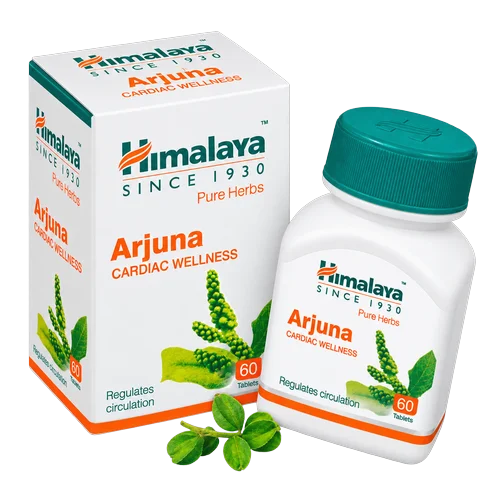
Adam, 48 - Stoke-on-Trent, took the tablets as directed as part of a morning wellness routine for several weeks. He liked having a simple tablet format and did not notice stomach problems. He continued his prescribed blood-pressure treatment and did not expect Arjuna to replace it.
Stoke-on-Trent Several weeks 29 Oct 2026
Arjuna
Terminalia arjuna, a traditional botanical associated with cardiovascular wellness, is the plant used in Arjuna tablets. The product is intended for adults seeking herbal support for circulation and…
Terminalia arjuna, a traditional botanical associated with cardiovascular wellness, is the plant used in Arjuna tablets. The product is intended for adults seeking herbal support for circulation and heart-focused daily wellbeing. Its traditional Ayurvedic classification is Hrudya, a Sanskrit term linked with support for the heart.
Product information
Arjuna is derived from the bark of the Arjuna tree, also called the Arjun tree. Arjuna tablets provide a convenient solid form for people who prefer a measured herbal preparation rather than loose botanical material. Arjuna is a plant-based product used for traditional cardiovascular support.
What it is used for
Arjuna tablets are intended to support cardiac wellness and healthy circulation. Traditional use has focused on the heart and blood vessels, while laboratory research has examined antioxidant and vascular effects associated with Terminalia arjuna constituents.
Arjuna may therefore be useful as part of a broader wellness routine that includes a balanced diet, regular movement, suitable sleep, and monitoring of blood pressure where clinically indicated.
Arjuna fits best as a complementary wellness product for adults who understand its traditional role and do not use it as emergency treatment.
Ingredients
The botanical name Terminalia arjuna refers to the plant species associated with Arjuna bark. Plant research has identified several chemical families in the bark, including triterpenoids, flavonoids, glycosides, tannins, and phenolic acids. The presence and quantity of each compound depend on the raw material and preparation method.
A triterpenoid is a plant compound built from a structure containing 30 carbon atoms. A flavonoid is a polyphenol found in many plants and commonly studied for antioxidant activity. Glycosides are compounds in which a plant molecule is linked to a sugar component.
These terms describe chemical groups, not guaranteed clinical outcomes.
Triterpenoids and glycosides
Arjuna bark has been examined for triterpenoid compounds associated with cellular protection and vascular research. Glycosides have also been identified in botanical analyses. Laboratory findings can explain why a plant attracts scientific interest, but they do not prove that a tablet will treat a cardiovascular disease.
A practical point is easy to miss: botanical activity depends on the whole preparation. A powdered bark tablet, a liquid extract, and a concentrated formulation may not provide the same chemical profile, even when they come from the same plant.
Flavonoids and phenolic acids
Flavonoids and phenolic acids, including compounds such as gallic acid reported in Arjuna research, are studied for their ability to interact with reactive oxygen species. Luteolin is another flavonoid discussed in research on medicinal plants, although its presence and amount cannot be assumed in every Arjuna product.
The relevant benefit for a consumer is the product’s botanical purpose: support for cardiac wellness and circulation. It is not appropriate to convert the presence of an antioxidant compound into a promise of preventing a heart attack or lowering cholesterol.
A review of Terminalia arjuna research published in 2018 described cardiovascular findings as promising but dependent on study design, preparation, and clinical context [1].
How it affects the body
Terminalia arjuna constituents have been studied for antioxidant and vascular effects. Some Arjuna constituents may interact with reactive oxygen species and influence oxidative stress and vascular reactivity. These biological effects are under research and do not establish treatment of cardiovascular disease.
How to use it
- Dose: The exact amount in mg per tablet is not provided; dosing differs between strengths and users, so there is no single amount that suits everyone.
- Frequency: Use the frequency specified for the particular Arjuna tablet product; no universal times-per-day schedule is established here.
- Timing: Take by mouth with water. Whether to take it before or after meals, or at a particular time of day, is not specified.
- Duration: Use as a daily wellness product for the duration appropriate to the individual’s needs; no standard treatment duration is established.
- Route: Oral use only; swallow the tablets with water and do not use them as emergency treatment.
Comparison
| Approach | Main purpose | Practical limitation |
|---|---|---|
| Arjuna tablets | Traditional botanical support for cardiac wellness | Evidence varies by preparation and does not replace diagnosis |
| Lifestyle measures | Supports blood pressure, weight, glucose, and cardiovascular risk | Requires sustained daily participation |
| Prescribed cardiovascular treatment | Targets a diagnosed condition with a defined medicine and dose | Requires individual assessment and monitoring |
Prescription treatment remains central when a clinician has diagnosed hypertension, angina, heart failure, arrhythmia, or another cardiovascular disorder.
Common mistakes
Poor results often arise from practical errors rather than from the botanical concept itself.
- Replacing prescribed treatment: Arjuna should not replace treatment for diagnosed hypertension, angina, heart failure, arrhythmia, or high cholesterol.
- Doubling after a missed intake: Taking extra tablets can increase the chance of stomach upset or dizziness.
- Ignoring medicine interactions: Warfarin, aspirin, clopidogrel, antihypertensives, diuretics, and heart medicines should be disclosed before use.
- Starting several supplements together: If three products begin on the same day, identifying the cause of a rash, nausea, or dizziness becomes difficult.
- Expecting an immediate effect: Arjuna is intended for daily wellness support, not rapid relief of chest symptoms or sudden blood-pressure changes.
- Using it before surgery without disclosure: Herbal products should be included in the medication list given to the surgical team.
- Assuming “pure herbs” means suitable for everyone: Allergies, pregnancy, chronic disease, and drug interactions still matter.
Who should not use it
- Known allergy to Arjuna or any tablet ingredient.
- Low blood pressure or recurrent fainting.
- Known liver or kidney disease.
- A diagnosed heart rhythm disorder.
- Pregnancy or breastfeeding, because reliable safety data are limited.
- Planned surgery or a known bleeding disorder.
- Current treatment for heart failure, angina, hypertension, cholesterol, clot prevention, or diabetes.
- Use of several herbal products with cardiovascular effects.
- Concomitant use of anticoagulants, antiplatelet medicines, blood-pressure medicines, diuretics, or heart-rate medicines without specific medical review.
When this is not for you
Arjuna tablets are not suitable for everyone. This product is not for you if you have a known allergy to Arjuna or any tablet ingredient, or if a clinician has told you to avoid herbal cardiovascular products.
Extra caution is needed if you are pregnant or breastfeeding, have low blood pressure or recurrent fainting, have liver or kidney disease, have a diagnosed heart rhythm disorder, take cardiovascular or diabetes medicines, are planning surgery, have a bleeding disorder, or use several herbal products with cardiovascular effects.
Older adults may take several medicines at once and may be more sensitive to dizziness or blood-pressure changes. A medication review is sensible before adding Arjuna to an established regimen.
Possible side effects
Arjuna is a herbal product, yet plant-based does not mean free from adverse effects. Possible reactions include stomach discomfort, nausea, loose stools, constipation, headache, dizziness, or sensitivity to an ingredient. Allergic reactions may include itching, rash, swelling, or breathing difficulty.
Stop taking the product and seek urgent medical help for facial swelling, difficulty breathing, fainting, severe weakness, or symptoms suggesting a serious cardiovascular problem. Chest pain and sudden shortness of breath require urgent assessment rather than self-treatment with an herbal tablet.
People with low blood pressure may be more prone to dizziness if Arjuna is combined with medicines or supplements that also affect blood pressure. Individuals taking anticoagulants or antiplatelet medicines need specific review because a combined effect on bleeding risk is possible.
A 2020 review in the Journal of Ethnopharmacology described the need for better standardisation and controlled human studies before firm clinical conclusions can be made [2].
One useful detail: dizziness after starting a new supplement is not a result to push through automatically. It can reflect a medicine interaction, dehydration, low blood pressure, or an unrelated health problem.
What doctors say
In clinical practice, a doctor would usually treat Arjuna as a complementary botanical rather than a replacement for cardiovascular diagnosis or prescribed therapy. The first step is identifying the goal: general wellness, concern about blood pressure, an abnormal cholesterol result, or symptoms such as palpitations. Those situations do not carry the same medical meaning.
A clinician may ask about blood pressure readings, kidney function, liver function, bleeding history, allergies, and every medicine or supplement being used. This is more useful than discussing Arjuna in isolation.
Doctors also tend to set realistic expectations. A supplement may support a routine, but it cannot confirm that blood vessels are healthy or show whether a cardiovascular risk has improved. Blood pressure measurement and clinically appropriate blood tests remain more informative than subjective sensations.
The WHO has recognised the need for quality, safety, and evidence-based evaluation of medicinal plants in its traditional medicine publications [3].
Common questions
Which condition rules out Arjuna?
A known allergy to Arjuna or any ingredient rules out use. Caution is also needed with low blood pressure, recurrent fainting, significant liver or kidney disease, pregnancy, and complex cardiovascular treatment. The EMA’s 2021 herbal-medicine framework emphasises that safety depends on the specific plant preparation, dose, and patient factors. Chest pain, severe breathlessness, or fainting should be assessed urgently rather than treated with Arjuna.
Can older adults take Arjuna?
Older adults may be able to use Arjuna, but suitability depends on their medicines and health conditions. The risk of dizziness, falls, low blood pressure, and interactions can increase when several medicines are taken together. WHO guidance published in 2019 highlights the need to consider traditional herbal products within the full medication history. A pharmacist or doctor should review the complete list before an older person starts the tablets.
What should be discussed with a doctor before starting Arjuna?
Discuss every prescription medicine, over-the-counter medicine, vitamin, and herbal product currently being used. Mention blood-pressure treatment, anticoagulants, antiplatelet medicines, diuretics, diabetes treatment, heart-rhythm medicines, planned surgery, pregnancy, and any history of allergy. The MHRA’s 2022 safety-monitoring guidance supports reporting suspected reactions and keeping healthcare professionals informed about all products in use. A recent blood-pressure reading and the reason for considering Arjuna are also useful details.
How soon might an effect from Arjuna become noticeable?
Arjuna is used for gradual wellness support, so it should not be expected to produce immediate relief. Some people may notice no clear subjective effect, and any change can be difficult to separate from diet, exercise, sleep, or prescribed treatment. A 2020 review indexed in PubMed described variation between Arjuna preparations and called for better controlled studies. The absence of a noticeable sensation does not prove that the product is working or failing.
Does Arjuna cause stomach upset?
Stomach upset, nausea, loose stools, or constipation are possible with herbal tablets, although not everyone experiences them. Taking the product with water and following the stated directions may improve tolerance, but persistent or severe symptoms require the product to be stopped and assessed. The EMA’s 2022 herbal-safety principles support considering adverse effects and interactions even when a product is traditionally used. Rash, facial swelling, breathing difficulty, severe dizziness, or fainting require urgent medical attention.
Do you offer anonymous delivery?
Your order will be securely packed and shipped within 24 hours. This is exactly what your package will look like (images of an actual item sent). It has the size and look of a regular private letter (24x11x0.7 cm) and its contents cannot be seen.
Comparison
Arjuna Current
Azor
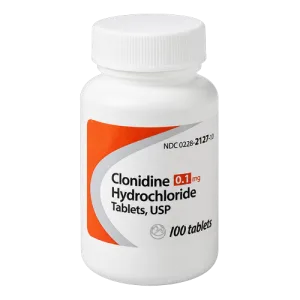
Clonidine
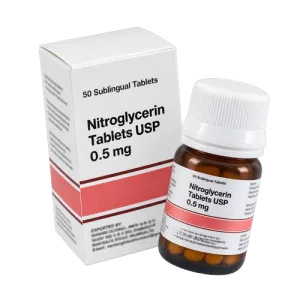
Nitroglycerin
Reviews: Arjuna
Based on 5 reviews
Graham G., 43 - Bristol, used Arjuna as directed alongside changes to his diet and walking routine. After about a month, he felt more consistent with his health routine, although he could not separate that feeling from the lifestyle changes. He found it easier to remember the tablets with breakfast.
Bristol About a month 24 Oct 2026Mark F., 37 - Glasgow, took Arjuna as directed and stopped after several days because of mild nausea. The symptom settled after he discontinued the product, although he had also changed two other supplements at the same time. His experience showed why introducing several products together can make reactions difficult to identify.
Glasgow Several days 15 Oct 2026Luke, 27 - Luton, took Arjuna as directed and chose it for general cardiovascular wellness rather than a diagnosed condition. He reported no noticeable change after a short period and decided that a longer-term routine, including exercise and better sleep, was more useful for his goals.
Luton A short period 5 Oct 2026Kevin, 42 - Edinburgh, had been taking medicine and used Arjuna as directed for blood pressure and checked the combination before starting Arjuna. He experienced mild dizziness during the first week and paused the tablets while the medicines were reviewed. He did not use the product again until he had clear guidance on the combination.
Edinburgh The first week 30 Sept 2026Sources
- PubMed (2018). Indexed literature on Terminalia arjuna and cardiovascular activity.
- Journal of Ethnopharmacology (2020). Peer-reviewed research on Terminalia arjuna phytochemistry, pharmacology, and safety.
- WHO (2019). WHO global report on traditional and complementary medicine 2019.