Skip to content
Fast & Discreet Delivery Save up to 80%
In Stock Empagliflozin
Diabetes

Empagliflozin

Adults with type 2 diabetes, heart failure, or selected chronic kidney disease may be prescribed Empagliflozin as part of a broader treatment plan. It is an oral SGLT2 inhibitor that helps the…

Guaranteed quality Original product
Delivery: from 4 days Discreet delivery
24/7 Support Always available
Active ingredient: Empagliflozin
Select dosage:
Select pack Package Per tablet Price
£ 5.36 £ 160.82
Free Express Delivery £ 5.13 £ 321.64 £ 307.88 Save 4%
Best value Free Express Delivery £ 5.03 £ 643.28 £ 603.72 Save 6%
Free Standard Delivery £ 6.11 £ 183.18
Free Express Delivery £ 5.88 £ 366.36 £ 352.60 Save 4%
Best value Free Express Delivery £ 5.78 £ 732.72 £ 694.02 Save 5%

Free delivery on orders from £ 172.00, free express delivery from £ 258.00

Secure payment methods:
VISA AMEX JCB DISCOVER

Adults with type 2 diabetes, heart failure, or selected chronic kidney disease may be prescribed Empagliflozin as part of a broader treatment plan. It is an oral SGLT2 inhibitor that helps the kidneys remove excess glucose and sodium, supporting blood sugar control, fluid balance, and cardiovascular health.

Product information

Empagliflozin is the active ingredient in an oral medicine belonging to the SGLT2 inhibitor class. It is used in treatment plans for adults with type 2 diabetes, heart failure, or selected chronic kidney disease.

What it is used for

The medicine works alongside dietary measures, physical activity, and any other diabetes treatment prescribed for the individual. It is not an insulin replacement for people with type 1 diabetes. NICE recommends selecting glucose-lowering treatment according to kidney function, cardiovascular risk, heart failure status, and the person’s wider treatment plan [1].

Primary medical indications

Empagliflozin may be considered for:

  • Type 2 diabetes mellitus, to improve blood glucose control.
  • Heart failure, where SGLT2 inhibition can reduce the risk of worsening heart failure and hospital admission in suitable patients.
  • Chronic kidney disease in selected adults, depending on kidney function and the clinical indication.
  • People with type 2 diabetes who have cardiovascular or renal risk factors requiring additional protection.

The medicine can increase glucose loss through urine. This may produce a modest reduction in body weight and blood pressure, though those effects vary between individuals and are not the sole reason for prescribing it.

Empagliflozin increases urine production for some people. Taking it earlier in the day may reduce disruption from waking at night to pass urine, unless the prescriber gives different timing instructions.

Ingredients

Empagliflozin is the active ingredient in an oral medicine belonging to the sodium–glucose co-transporter-2 (SGLT2) inhibitor class. It is used as part of treatment plans for adults with type 2 diabetes, heart failure, or selected chronic kidney disease.

How it affects the body

Empagliflozin blocks SGLT2 in the kidneys, reducing the reabsorption of filtered glucose and sodium into the bloodstream. This increases urinary glucose and sodium excretion, with associated water loss, supporting blood glucose control and fluid balance. These physiological effects can support cardiovascular and kidney health [2].

How to use it

The regimen for the chosen strength should be confirmed with a healthcare professional before starting. Empagliflozin is taken orally once daily, with or without food, at a consistent time whenever possible.

  • Swallow the tablet with water.
  • Take it at the prescribed strength and frequency.
  • Maintain normal fluid intake unless a clinician has set a fluid restriction.
  • Do not double the next dose after forgetting one.
  • During severe vomiting, diarrhoea, prolonged fasting, or an acute serious illness, obtain specific sick-day instructions because dehydration and ketoacidosis risk can rise.
  • Kidney function should be assessed as part of treatment selection and follow-up.

The appropriate strength depends on the indication, kidney function, blood glucose plan, and other medicines. Some patients need a lower starting regimen; others may have a different target regimen after review. Dose escalation is a clinical decision rather than a self-directed adjustment.

Comparison

Empagliflozin has a different biological target from several commonly used diabetes treatments. The choice depends on the treatment goal, kidney function, risk of hypoglycaemia, weight considerations, and the presence of heart or kidney disease.

Treatment category Main action and clinical distinction Key limitation
Empagliflozin and other SGLT2 inhibitors Increase urinary glucose and sodium excretion; may support heart failure and kidney outcomes Genital infections, dehydration, and rare ketoacidosis
Metformin Reduces hepatic glucose production and improves insulin sensitivity Gastrointestinal effects; restrictions apply in significant renal impairment
DPP-4 inhibitors or insulin DPP-4 inhibitors enhance incretin activity; insulin directly replaces or supplements insulin action DPP-4 inhibitors have limited cardiovascular benefit; insulin can cause hypoglycaemia and weight gain

Dapagliflozin and canagliflozin are also SGLT2 inhibitors, so they share several class effects with Empagliflozin. Differences in licensed indications, renal thresholds, cardiovascular evidence, and individual tolerability influence prescribing.

Metformin may remain a useful foundation for many people with type 2 diabetes, while insulin is essential when endogenous insulin production is inadequate. Empagliflozin may be added when cardiovascular, heart failure, or renal considerations make SGLT2 inhibition useful.

Common mistakes

Several avoidable errors can reduce tolerability or delay recognition of a serious problem:

  • Taking an extra tablet after a missed dose.
  • Restricting water sharply to avoid urination.
  • Continuing the medicine through prolonged fasting or repeated vomiting without a sick-day plan.
  • Ignoring genital itching, discharge, burning, or urinary discomfort.
  • Assuming low blood sugar cannot occur when Empagliflozin is combined with insulin.
  • Starting a strict ketogenic diet without discussing ketoacidosis risk.
  • Failing to mention an upcoming operation or prolonged medical procedure.
  • Treating dizziness as unrelated when a diuretic or blood-pressure medicine is also being used.
Keep a written list of all glucose-lowering medicines, diuretics, and blood-pressure treatments for every clinical appointment. The combination often explains dizziness or low glucose more clearly than any single tablet.

A missed dose is usually handled by taking it when remembered if the next dose is not close. If the next scheduled dose is near, the missed dose is skipped. Two doses should not be taken together.

Who should not use it

Empagliflozin is not suitable for everyone. The prescriber should assess kidney function, hydration, diabetes type, cardiovascular status, and concurrent medicines before treatment begins.

The risk of hypoglycaemia rises when Empagliflozin is combined with insulin or sulfonylureas. Diuretics can intensify fluid loss and dizziness. Medicines that lower blood pressure may need review if symptomatic hypotension develops.

Alcohol can worsen dehydration and may contribute to ketoacidosis when combined with fasting, vomiting, or poor food intake. Very restrictive ketogenic diets can also increase ketoacidosis risk. These combinations require a specific clinical discussion rather than casual dose changes.

Older adults may be more vulnerable to dehydration, postural dizziness, reduced kidney function, and urinary infections. Kidney function and blood pressure deserve closer attention in this group.

When this is not for you

This medication is not for you if

  • You have type 1 diabetes unless a specialist has given a specific treatment plan.
  • You have current or previous diabetic ketoacidosis that has not been fully assessed.
  • You are severely dehydrated or unable to maintain fluid intake.
  • You have a serious allergy to Empagliflozin or one of the tablet ingredients.
  • You are undergoing major surgery or have a serious acute illness without a clinician’s sick-day plan.
  • Your kidney function falls below the threshold for the intended indication.
  • You are pregnant or breastfeeding unless a specialist has determined that treatment is appropriate.

Possible side effects

The most frequent practical problems relate to glucose in the urine and the associated loss of fluid. Genital thrush can occur in women and men. Urinary tract infection symptoms are also possible. Increased urination, thirst, dizziness, and a fall in blood pressure may appear when fluid loss is greater than fluid replacement. These effects warrant review when they persist or interfere with daily activities.

Low blood sugar is less likely when Empagliflozin is used alone. The risk increases when it is combined with insulin or a sulfonylurea, so the wider diabetes regimen may need adjustment by the prescriber.

Possible adverse effects include:

  • Genital fungal infection.
  • Urinary tract infection.
  • Increased urination or thirst.
  • Dizziness related to volume depletion.
  • Constipation or mild gastrointestinal symptoms.
  • Low blood pressure in susceptible patients.
  • Rare diabetic ketoacidosis, sometimes with only moderately raised glucose.

Diabetic ketoacidosis requires urgent attention. Warning symptoms include nausea, vomiting, stomach pain, unusual tiredness, deep or rapid breathing, confusion, or a sweet or metallic breath smell. The risk can increase during prolonged fasting, severe illness, dehydration, major surgery, or very low carbohydrate intake.

Fournier’s gangrene is extremely rare but serious. Severe pain, swelling, redness, or tenderness around the genitals or perineum, especially with fever or malaise, requires urgent medical care.

Repeated genital irritation should not be treated as an unavoidable nuisance. Recurrent episodes can justify a review of hygiene, glucose control, fluid intake, and whether the current treatment remains appropriate.

One detail patients sometimes overlook is that urine glucose may remain high while the medicine is working. A urine glucose result is therefore not a simple measure of treatment failure when an SGLT2 inhibitor is being used.

What doctors say

In clinical practice, doctors generally judge Empagliflozin by more than a single glucose reading. They also consider glycated haemoglobin, kidney function, blood pressure, weight trend, fluid status, heart failure symptoms, and episodes of infection.

A physician will usually want to know about recurrent thrush, urinary symptoms, dizziness, reduced food intake, vomiting, and planned surgery. These details can change the risk–benefit balance or require a temporary treatment interruption.

The cardiovascular and renal evidence is a major reason clinicians use SGLT2 inhibitors in suitable patients. The benefit may continue even when the fall in glucose is not dramatic, though it should never be assumed that the medicine replaces other protective treatments.

Patients often expect an immediate change in how they feel. Some notice increased urination first. Organ protection is assessed through clinical follow-up and laboratory measurements rather than sensations alone.

Common questions

What should be discussed with a doctor before starting Empagliflozin?

Kidney function, diabetes type, previous ketoacidosis, recurrent genital infections, heart failure, dehydration, pregnancy, and breastfeeding should be discussed before starting. The MHRA highlights the need to recognise ketoacidosis symptoms even when blood glucose is not extremely high. A full list of insulin, sulfonylureas, diuretics, blood-pressure medicines, and supplements helps identify interaction risks. NICE guidance from 2022 also supports reviewing kidney function and concurrent medicines.

Which diet, exercise, and daily habits support treatment?

Regular meals, sensible fluid intake, physical activity suited to fitness and heart status, and avoidance of prolonged fasting support safer treatment. Excessive alcohol, severe dehydration, and very low-carbohydrate dieting can increase ketoacidosis risk. The WHO continues to promote dietary quality and physical activity as central parts of type 2 diabetes care, rather than relying on glucose-lowering tablets alone. WHO guidance from 2023 also emphasises sustainable daily habits.

How soon might the effect become noticeable?

Urinary glucose loss begins after treatment starts, so some people notice increased urination early. Changes in home glucose readings can appear within days, while glycated haemoglobin reflects average glucose over several weeks. EMA information describes Empagliflozin as part of ongoing treatment, so cardiovascular and renal benefits are evaluated over follow-up rather than judged after one tablet. The 2023 EMA product information supports assessing these outcomes during continued follow-up.

Can Empagliflozin be combined with insulin or sulfonylureas?

It can be combined with insulin or a sulfonylurea in suitable patients, but the risk of hypoglycaemia becomes greater. The prescriber may adjust the other glucose-lowering treatment and explain which symptoms require action. NICE guidance from 2022 supports individualised combination treatment, with monitoring based on the person’s glucose readings, kidney function, and adverse effects.

What should happen after a missed dose?

Take the missed tablet when remembered unless the next scheduled dose is close; in that situation, skip it and return to the usual schedule. Never take two doses together to compensate. NHS advice supports this approach for once-daily Empagliflozin, while vomiting, diarrhoea, or severe illness requires the separate sick-day instructions provided by the diabetes team. NICE guidance from 2022 also supports following the prescribed once-daily schedule.

Do you offer anonymous delivery?

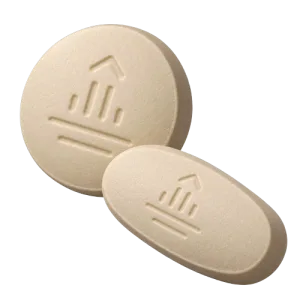
Your order will be securely packed and shipped within 24 hours. This is exactly what your package will look like (images of an actual item sent). It has the size and look of a regular private letter (24x11x0.7 cm) and its contents cannot be seen.

Comparison

All options for Diabetes at a glance

Reviews: Empagliflozin

Based on 4 reviews

Alan, 64 Verified
Rating: 3.5 out of 5

I had taken Empagliflozin for about six weeks when my home readings became steadier. I passed urine more often in the first fortnight and felt light-headed once after gardening on a warm afternoon. Drinking normally and taking it earlier helped.

Milton Keynes About six weeks 3 Oct 2026
Nicola, 61 Verified
Rating: 5 out of 5

After roughly three months, I found stairs less tiring, although I still needed my other heart medicines. I developed mild thrush during the first month, which cleared after treatment. The extra urination was manageable.

Dundee Roughly three months 13 Oct 2026
Oliver T., 49 Verified
Rating: 3.5 out of 5

The first two weeks were inconvenient because I was thirsty and waking once at night. My glucose readings improved, but the tablet was not a substitute for changing my meals. I had no further problems after settling into a regular routine.

Manchester The first two weeks 19 Oct 2026
Lee T., 34 Verified
Rating: 1.5 out of 5

I stopped eating properly during a stomach bug and felt nauseated and unusually weak. The diabetes team told me to use the sick-day plan and seek urgent assessment if symptoms returned. I had underestimated how illness and dehydration could change the risk.

Cardiff 30 Oct 2026

Sources

  1. NICE (2022). Type 2 diabetes in adults: management, NICE guideline NG28.
  2. European Medicines Agency (2023). Jardiance: European public assessment report and product information.
Get our free app Shop faster and track your orders 3.5 · 225 reviews Install