Skip to content
Fast & Discreet Delivery Save up to 80%
In Stock Forxiga
Diabetes

Forxiga

Forxiga is used by suitable adults with type 2 diabetes, heart failure or chronic kidney disease. Its active ingredient, dapagliflozin, helps the kidneys remove glucose, sodium and water in urine…

Guaranteed quality Original product
Delivery: from 4 days Discreet delivery
24/7 Support Always available
Active ingredient: Dapagliflozin
Select dosage:
Select pack Package Per tablet Price
Free Standard Delivery £ 5.30 £ 222.74
Free Express Delivery £ 5.21 £ 296.98 £ 291.54 Save 2%
Free Express Delivery £ 5.16 £ 371.24 £ 361.20 Save 3%
Free Express Delivery £ 5.11 £ 445.48 £ 429.14 Save 4%
Best value Free Express Delivery £ 5.07 £ 519.72 £ 497.08 Save 4%
£ 7.92 £ 110.94
Free Standard Delivery £ 7.22 £ 221.88 £ 202.10 Save 9%
Free Express Delivery £ 7.04 £ 332.82 £ 295.84 Save 11%
Free Express Delivery £ 6.91 £ 443.76 £ 387.00 Save 13%
Free Express Delivery £ 6.83 £ 554.70 £ 478.16 Save 14%
Free Express Delivery £ 6.76 £ 665.64 £ 567.60 Save 15%
Best value Free Express Delivery £ 6.75 £ 776.58 £ 661.34 Save 15%

Free delivery on orders from £ 172.00, free express delivery from £ 258.00

Secure payment methods:
VISA AMEX JCB DISCOVER

Forxiga is used by suitable adults with type 2 diabetes, heart failure or chronic kidney disease. Its active ingredient, dapagliflozin, helps the kidneys remove glucose, sodium and water in urine, supporting blood sugar control and reducing strain on the heart and kidneys.

Product information

Forxiga tablets are prescribed for type 2 diabetes, heart failure and chronic kidney disease in suitable adults. They contain dapagliflozin, an SGLT2 inhibitor that helps the kidneys remove glucose, sodium and water through urine. This can improve glycaemic control and reduce strain on the heart and kidneys.

What it is used for

Forxiga is used in three main clinical settings:

  • Type 2 diabetes: It lowers blood glucose by increasing urinary glucose excretion. It may be prescribed alone or alongside other glucose-lowering treatments.
  • Heart failure: Dapagliflozin can reduce the workload on the heart and lower the risk of worsening heart failure in eligible adults, including some people without diabetes.
  • Chronic kidney disease: It can help slow kidney function decline in selected adults, with or without type 2 diabetes, when the clinical criteria are met.

The same kidney mechanism explains why Forxiga has uses beyond blood sugar control. Removing sodium and water reduces fluid congestion, while changes in pressure within the kidney’s filtration system may reduce stress on the glomeruli. The EMA product information and current UK prescribing practice describe dapagliflozin as an SGLT2 inhibitor for diabetes, heart failure and chronic kidney disease [1].

Forxiga is not suitable for every person with these conditions. Kidney function, blood pressure, hydration, current medicines and the reason for treatment all influence the prescribing decision.

Ingredients

Forxiga tablets contain dapagliflozin, an SGLT2 inhibitor. The active ingredient helps the kidneys remove glucose, sodium and water through urine. This action can support blood sugar control and reduce strain on the heart and kidneys in suitable adults.

How it affects the body

Dapagliflozin blocks sodium-glucose co-transporter 2, known as SGLT2, in the proximal renal tubule. SGLT2 normally reabsorbs filtered glucose and sodium back into the bloodstream. When this transporter is inhibited, more glucose remains in the urine and more sodium passes out of the body.

The resulting effects include:

  • increased urinary glucose excretion, called glucosuria;
  • increased sodium excretion, called natriuresis;
  • increased urinary water loss, called osmotic diuresis;
  • lower circulating fluid volume in some patients;
  • altered pressure within the kidney filtration system.

SGLT2 inhibition differs from metformin, which mainly reduces hepatic glucose production and improves insulin sensitivity. It also differs from insulin, which directly increases glucose uptake and lowers blood glucose through hormone replacement. These mechanisms can be combined only when the prescribing plan accounts for kidney function, hypoglycaemia risk and other treatments.

Increased urination is most noticeable after starting treatment or after a dose taken later in the day. Taking the tablet at a consistent morning time may reduce disruption to sleep, unless the prescriber gives different instructions.

How to use it

Forxiga is taken by mouth as a tablet. The regimen for the selected strength should be confirmed with a healthcare professional before starting, because the appropriate plan depends on the indication, kidney function and concurrent medicines.

Practical administration points include:

  • take the tablet once daily if that is the prescribed regimen;
  • swallow it whole with water;
  • take it with food or on an empty stomach;
  • keep fluid intake steady unless a clinician has prescribed fluid restriction;
  • do not change the dose to compensate for a missed tablet;
  • tell the prescriber about vomiting, diarrhoea, prolonged fasting or an acute illness.

A tablet should not be split, crushed or chewed unless the prescriber or dispensing instructions specifically allow this. Whole-tablet administration supports consistent dosing and avoids confusion about the prescribed amount.

People taking Forxiga should know the signs of dehydration: unusual thirst, dry mouth, dizziness when standing, weakness and reduced urination. Fluid advice is different for people with advanced heart failure or kidney disease, so forcing extra water can also be inappropriate.

Before surgery or a procedure requiring fasting, ask for a specific Forxiga plan in advance. SGLT2 inhibitors are often paused before planned procedures because fasting and surgical stress can increase ketoacidosis risk even when blood glucose is not very high.

Comparison

Clinicians choose treatment according to the condition being treated, kidney function, cardiovascular history, hypoglycaemia risk, weight goals, frailty and current therapy.

Treatment approach Main pharmacological action Clinical role
Forxiga — dapagliflozin Blocks SGLT2 and increases urinary glucose and sodium loss Type 2 diabetes, heart failure and chronic kidney disease in eligible adults
Empagliflozin Blocks SGLT2 and produces similar renal glucose and sodium loss Type 2 diabetes, heart failure and selected kidney disease indications
Metformin-based treatment Reduces hepatic glucose production and improves insulin sensitivity Common foundation treatment for type 2 diabetes when suitable

Dapagliflozin and empagliflozin belong to the same SGLT2 inhibitor class, but the choice can depend on the licensed indication, kidney function thresholds, local prescribing guidance and the person’s response. Metformin works through a different pathway and does not produce the same diuretic effect.

Combination treatment can improve glucose control, yet every additional medicine increases the need to review interactions, kidney function and tolerability. For example, combining an SGLT2 inhibitor with insulin may require attention to hypoglycaemia and sick-day management, while combining it with a diuretic may increase the risk of dehydration.

Common mistakes

Several practical errors can reduce treatment safety or make side effects more likely:

  • taking the tablet only on days when glucose readings are high;
  • doubling the next dose after forgetting one;
  • ignoring persistent thirst, dizziness or reduced urine output;
  • continuing the medicine through repeated vomiting or severe diarrhoea without obtaining sick-day advice;
  • starting a strict ketogenic diet while taking an SGLT2 inhibitor;
  • failing to mention Forxiga before surgery or prolonged fasting;
  • assuming that normal glucose excludes ketoacidosis;
  • taking over-the-counter diuretics or herbal products without reviewing the combined fluid-loss effect;
  • stopping insulin abruptly because Forxiga has been started.

Alcohol excess, acute infection and reduced food intake can increase metabolic stress. The combination of illness, dehydration and low insulin availability is a recognised setting for ketoacidosis.

Keep a written list of all diabetes, heart, kidney and blood-pressure medicines. The most useful details during an urgent assessment are the last Forxiga dose, recent food and fluid intake, vomiting or diarrhoea, and any insulin changes.

Who should not use it

Forxiga is not suitable for you if you have had a serious allergic reaction to dapagliflozin or another ingredient in the prescribed tablet. It is also unsuitable for people with diabetic ketoacidosis or suspected ketoacidosis, which requires urgent medical treatment rather than another dose.

Extra caution or specialist review is needed in the following situations:

  • severe or unstable kidney impairment;
  • repeated dehydration, low blood pressure or fainting;
  • severe acute illness, prolonged fasting or inability to eat and drink;
  • pregnancy or planned pregnancy;
  • breastfeeding;
  • type 1 diabetes, unless a specialist service has provided a specific plan;
  • previous recurrent genital infections;
  • treatment with insulin or a sulfonylurea;
  • concurrent loop or thiazide diuretic therapy;
  • recent major surgery or a procedure involving prolonged fasting.

Forxiga may increase the fluid-losing effect of diuretics. It can also increase hypoglycaemia risk when used with insulin or insulin-releasing medicines. The MHRA has highlighted the need for clear recognition of diabetic ketoacidosis symptoms with SGLT2 inhibitors, including presentations where glucose is not markedly elevated [4].

When this is not for you

Do not take Forxiga if you have previously had a serious allergic reaction to dapagliflozin or if you currently have, or may have, diabetic ketoacidosis. Speak with a clinician before using it if you have unstable kidney problems, frequent dehydration or fainting, are pregnant or breastfeeding, have type 1 diabetes, or often develop genital infections. Your treatment also needs careful review if you use insulin, a sulfonylurea or diuretics, or if you are going to have surgery or prolonged fasting.

Possible side effects

Forxiga changes the amount of glucose and water leaving the body. That explains both its therapeutic effects and its most relevant adverse reactions.

Common or clinically recognised problems include:

  • genital thrush or other genital fungal infections;
  • urinary tract infection symptoms;
  • increased urination;
  • thirst;
  • dizziness from reduced fluid volume;
  • constipation or gastrointestinal discomfort;
  • low blood pressure, especially in people taking diuretics or several blood-pressure medicines.

Genital fungal infections can cause itching, soreness, redness or unusual discharge. Urinary infection symptoms may include burning during urination, frequent urination, lower abdominal discomfort or fever. These problems need assessment if they are severe, recurrent or accompanied by back pain or systemic symptoms.

Low blood glucose is less likely with Forxiga alone than with insulin or sulfonylureas. The risk rises when Forxiga is combined with treatments that stimulate insulin release or provide insulin directly. Symptoms may include sweating, shaking, hunger, palpitations, confusion and unusual weakness.

Rare but serious reactions require urgent medical attention:

  • Diabetic ketoacidosis: nausea, vomiting, abdominal pain, deep or rapid breathing, marked weakness, confusion or unusual sleepiness. Blood glucose may be only moderately raised.
  • Severe dehydration or hypotension: fainting, inability to stand safely, very little urine or persistent dizziness.
  • Serious urinary or genital infection: fever, severe pain, blood in the urine, flank pain or rapidly worsening swelling.
  • Necrotising fasciitis of the perineum: severe pain, tenderness, redness or swelling around the genitals or the area between the genitals and anus, with fever or feeling acutely unwell.
  • Severe allergic reaction: facial or throat swelling, breathing difficulty or widespread blistering rash.

The FDA prescribing information highlights ketoacidosis, volume depletion, genital infections, urinary infections and necrotising fasciitis as important safety risks associated with dapagliflozin [2].

Do not judge ketoacidosis risk by glucose readings alone. Vomiting, abdominal pain and deep breathing after fasting, heavy alcohol intake, infection or a very low-carbohydrate diet deserve urgent assessment even when the glucose result is not extremely high.


What doctors say

In clinical practice, prescribers usually assess more than the glucose reading before starting Forxiga. They review kidney function, blood pressure, hydration, previous urinary or genital infections, diuretic treatment and the patient’s ability to recognise illness.

A doctor may explain that the medicine can provide benefits gradually rather than producing a noticeable sensation. Better glucose readings may appear before the person feels any different. In heart failure or chronic kidney disease, the purpose may be reducing future admissions or slowing decline, so daily adherence matters even when symptoms are stable.

The Kidney Disease: Improving Global Outcomes guideline supports the role of SGLT2 inhibitors in appropriate adults with chronic kidney disease, subject to clinical criteria and contraindications [3]. Treatment may be paused during serious illness, prolonged fasting, major dehydration or surgery. The timing depends on the person’s condition and the planned procedure.

Common questions

Which condition rules out Forxiga completely?

Active diabetic ketoacidosis rules out further Forxiga dosing and requires urgent medical treatment. A previous severe allergic reaction to dapagliflozin or an excipient is another clear reason not to take it. The 2024 MHRA safety information stresses that ketoacidosis can occur with only moderately raised glucose, so glucose alone cannot exclude the problem. A clinician should also assess severe kidney impairment, type 1 diabetes and recurrent dehydration before prescribing.

Which symptoms mean stopping Forxiga and seeking urgent medical help?

Stop and seek urgent medical assessment for vomiting, abdominal pain, deep or rapid breathing, confusion, severe weakness or unusual sleepiness, because these may indicate ketoacidosis. Urgent review is also needed for fainting, inability to keep fluids down, very little urine, severe genital or perineal pain, or rapidly spreading swelling and redness. The 2025 EMA product information identifies these reactions as serious safety concerns, with guidance updated in its current regulatory materials [5]. Do not restart treatment after such symptoms until a clinician has provided a clear plan.

Can the Forxiga tablet be split, crushed or chewed?

The tablet should be swallowed whole unless a prescriber or dispensing instruction specifically permits another method. Splitting, crushing or chewing can make administration less consistent and may cause confusion about the intended dose. The 2025 EMA product information describes oral tablet administration and supports following the prescribed form rather than altering it. This is also useful for people who organise medicines into weekly pill boxes, because the tablet should remain identifiable and intact.

Can Forxiga be taken with food or on an empty stomach?

Forxiga can generally be taken with food or without food, provided it is taken at the prescribed interval. Taking it at a consistent time may make increased urination easier to manage. Timing can affect tolerability. The NICE type 2 diabetes guidance available in 2026 supports individualised medicine schedules that account for concurrent treatments, kidney function and tolerability. People with fluid restrictions should follow their heart or kidney care plan rather than deliberately increasing fluids.

What should happen if the expected result does not come?

Do not increase the dose independently when glucose readings, swelling, breathlessness or kidney results do not improve as expected. The prescriber may review adherence, kidney function, diet, fluid status, other medicines and whether the original treatment goal remains appropriate. NICE guidance updated before 2026 recommends treatment review using clinical response and risk factors rather than a single home reading. Seek urgent help for worsening breathlessness, chest pain, severe swelling, vomiting or ketoacidosis symptoms.

What should happen after a missed dose?

Take the missed tablet when remembered if there is enough time before the next scheduled dose. If the next dose is due soon, skip the missed dose and continue with the regular schedule; do not take two doses together. NHS medicines advice used in 2026 supports avoiding double dosing after a missed oral medicine dose unless a specific medicine instruction says otherwise. Vomiting shortly after administration, prolonged diarrhoea and fasting require separate sick-day advice rather than automatic replacement dosing.

Do you offer anonymous delivery?

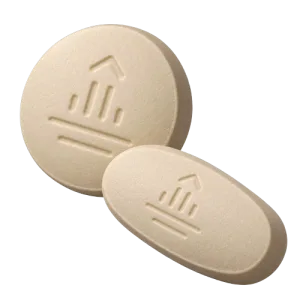
Your order will be securely packed and shipped within 24 hours. This is exactly what your package will look like (images of an actual item sent). It has the size and look of a regular private letter (24x11x0.7 cm) and its contents cannot be seen.

Comparison

All options for Diabetes at a glance

Reviews: Forxiga

Based on 3 reviews

Gary, 47 Verified
Rating: 3.5 out of 5

My morning readings became steadier after the first few weeks, and I noticed I was urinating more often. The extra bathroom visits were manageable when I took it early, but thirst became a problem during a week of hot weather.

Sheffield Several months 26 Oct 2026
Stephen L., 69 Verified
Rating: 3 out of 5

I felt less swollen around my ankles after a few weeks and had more confidence walking outside. I became light-headed after a stomach bug and needed the treatment plan reviewed, so I learned not to carry on as normal during vomiting and diarrhoea.

Cardiff Several weeks 30 Sept 2026
Liam L., 64 Verified
Rating: 3 out of 5

The tablet was easy to take and my glucose results improved. I had a genital infection during the second month, which was unpleasant but treated. My clinician reviewed the rest of my medicines and gave me clearer instructions for sick days.

Portsmouth Several months 14 Oct 2026

Sources

  1. European Medicines Agency (2025). Forxiga: EPAR — Product Information
  2. U.S. Food and Drug Administration (2023). FARXIGA (dapagliflozin) Prescribing Information
  3. Kidney Disease: Improving Global Outcomes (2024). KDIGO 2024 Clinical Practice Guideline for the Evaluation and Management of Chronic Kidney Disease
  4. Medicines and Healthcare products Regulatory Agency (2016). SGLT2 inhibitors: updated advice on the risk of diabetic ketoacidosis
  5. National Institute for Health and Care Excellence (2022). Type 2 diabetes in adults: management
Get our free app Shop faster and track your orders 3.5 · 225 reviews Install