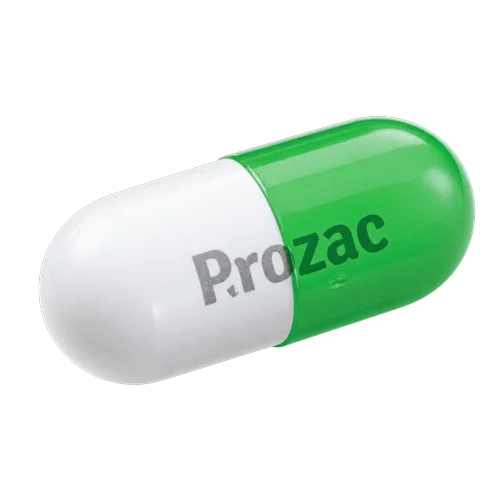
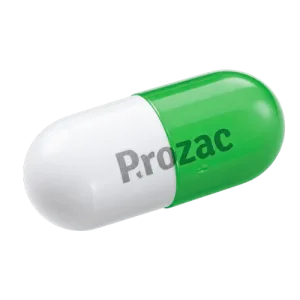
I used Prozac capsules for depression for about six weeks. Nausea and restless sleep bothered me during the first ten days, then settled. My mood improved gradually, although I still needed therapy and regular reviews.
Birmingham About six weeks 30 Sept 2026
Prozac
Adults and adolescents with diagnosed depression, obsessive-compulsive disorder, bulimia nervosa or panic disorder may be prescribed Prozac. Its active ingredient, fluoxetine, is an SSRI that…
Adults and adolescents with diagnosed depression, obsessive-compulsive disorder, bulimia nervosa or panic disorder may be prescribed Prozac. Its active ingredient, fluoxetine, is an SSRI that increases serotonin signalling and supports gradual improvement in mood, intrusive thoughts, anxiety or binge–purge symptoms.
Product information
Prozac contains fluoxetine, a selective serotonin reuptake inhibitor (SSRI). Fluoxetine belongs to the SSRI class and acts within the central nervous system by reducing the reuptake of serotonin between nerve cells. This prescription treatment is used for diagnosed psychiatric disorders rather than general stress or occasional low mood.
What it is used for
Prozac is prescribed after a clinical assessment confirms a condition for which fluoxetine is suitable. The main indications include major depressive disorder, obsessive-compulsive disorder, bulimia nervosa and panic disorder.
| Clinical indication | Therapeutic aim | Key treatment focus |
|---|---|---|
| Major depressive disorder | Improve persistent low mood and related symptoms | Mood, motivation, sleep and daily functioning |
| Obsessive-compulsive disorder | Reduce obsessive thoughts and compulsive behaviours | Fewer intrusive thoughts and repetitive actions |
| Bulimia nervosa | Reduce binge-eating and compensatory behaviours | Behavioural control alongside psychological treatment |
| Panic disorder | Reduce recurrent panic attacks and anticipatory anxiety | Fewer attacks and improved daily activity |
Major depressive disorder, also called major depression or MDD, involves persistent symptoms that affect functioning. Treatment-resistant depression requires a separate clinical assessment because failure to respond to one antidepressant does not automatically justify a higher dose or a rapid switch.
Obsessive-compulsive disorder involves unwanted recurring thoughts, urges or images and repetitive behaviours or mental acts. Bulimia nervosa involves recurrent binge eating with compensatory behaviours. Panic disorder includes repeated panic attacks and concern about further attacks.
Fluoxetine may form part of a wider treatment plan that includes psychological therapy, monitoring of symptoms and review of other medicines. The World Health Organization places antidepressant treatment within a broader approach to depressive disorders, rather than presenting medication as the only intervention [2].
Ingredients
Prozac contains fluoxetine, a selective serotonin reuptake inhibitor (SSRI). Fluoxetine belongs to the SSRI class and acts within the central nervous system by reducing the reuptake of serotonin between nerve cells. This prescription treatment is used for diagnosed psychiatric disorders rather than general stress or occasional low mood.
Serotonin is a neurotransmitter involved in mood, anxiety, impulse control, sleep and appetite. Fluoxetine does not create an immediate sedative effect. Instead, repeated treatment changes serotonin signalling over time, which explains why improvement may take several weeks.
Mechanism of action in the central nervous system
Nerve cells release serotonin into a small junction called the synapse. A transporter normally moves some serotonin back into the releasing nerve cell. Fluoxetine inhibits this transporter, leaving more serotonin available to stimulate receptors on the receiving cell.
The clinical response is gradual because changes in receptor sensitivity and neural circuits develop over time. Fluoxetine has a long elimination half-life, and its active metabolite norfluoxetine remains in the body for an extended period. That property can reduce abrupt concentration changes after a missed dose, but it also means interactions may continue after treatment stops.
Fluoxetine is listed under ATC code N06AB03. Its pharmacological action is distinct from benzodiazepines, sedative medicines and products marketed as general mood supplements. The European Medicines Agency describes fluoxetine within the SSRI antidepressant group [1].
How it affects the body
Nerve cells release serotonin into a small junction called the synapse. A transporter normally moves some serotonin back into the releasing nerve cell. Fluoxetine inhibits this transporter, leaving more serotonin available to stimulate receptors on the receiving cell.
The clinical response is gradual because changes in receptor sensitivity and neural circuits develop over time. Fluoxetine has a long elimination half-life, and its active metabolite norfluoxetine remains in the body for an extended period.
How to use it
The dose is decided individually, taking age, other medicines and health conditions into account. Prozac capsules are swallowed orally and should be taken exactly at the prescribed frequency. The dose may differ according to the diagnosis, response, age and tolerability.
Practical administration
- Take the prescribed dose at the same time each day.
- Swallow the capsule with water.
- Do not alter the dose because improvement feels slow.
- Do not stop treatment suddenly without a planned medical review.
- Allow time for the antidepressant effect to develop before judging the full response.
- Keep follow-up appointments focused on mood, anxiety, sleep, appetite, suicidal thoughts and adverse effects.
Some people notice changes in sleep, appetite, anxiety or physical symptoms during the first one or two weeks. The main therapeutic response often develops over approximately two to six weeks, while obsessive-compulsive symptoms can require a longer assessment period.
Fluoxetine is not intended to provide immediate relief during a panic attack. It is a maintenance treatment that aims to reduce the frequency and severity of attacks over time. A separate short-term strategy may be considered by the prescriber when clinically appropriate.
Capsules should not be opened, crushed or divided unless a prescriber or dispensing pharmacist has specifically confirmed that this is suitable for the exact product. Changing the capsule can affect reliable administration and makes dose measurement less precise.
Comparison
Fluoxetine differs from other SSRIs mainly through its long half-life, active metabolite and interaction profile. The choice depends on symptoms, previous response, coexisting conditions and other medicines.
| Treatment approach | Pharmacological profile | Practical distinction |
|---|---|---|
| Fluoxetine | SSRI with a long half-life and active metabolite | Concentrations decline gradually; interactions may persist after stopping |
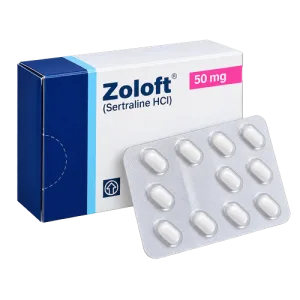
| Sertraline | SSRI with a shorter persistence than fluoxetine | Often selected when a different interaction or tolerability profile is preferred |
| Escitalopram | SSRI with relatively focused serotonin reuptake activity | May be considered when a simple SSRI regimen is appropriate |
Fluoxetine’s long half-life can make withdrawal symptoms less prominent than with shorter-acting SSRIs, though stopping still requires clinical planning. The same property can complicate switching because fluoxetine and norfluoxetine remain pharmacologically active after the final capsule.
SSRIs do not all produce identical experiences. One person may find fluoxetine activating, while another experiences improved concentration and energy. Treatment-resistant depression may require a structured review of diagnosis, adherence, duration, dose, comorbidities and psychological treatment before a change is made.
Common mistakes
Several practical mistakes can make fluoxetine treatment appear ineffective:
- Stopping after a few days because mood has not improved.
- Increasing the dose independently after a difficult day.
- Taking a double dose after missing a capsule.
- Combining Prozac with St John’s wort or another antidepressant without medical approval.
- Ignoring new agitation, impulsivity or suicidal thoughts.
- Taking caffeine late in the day and attributing insomnia entirely to fluoxetine.
- Failing to mention tramadol, migraine medicines, anticoagulants or anti-inflammatory painkillers.
- Switching directly to another antidepressant without allowing for fluoxetine’s long persistence.
One easily missed detail is the difference between emotional improvement and stimulation. Increased energy without improved judgement, reduced need for sleep, racing thoughts or unusual confidence can indicate hypomania or mania rather than recovery.
Another frequent problem is judging treatment by one symptom. Appetite may improve before motivation, or panic attacks may become less frequent before anticipatory anxiety settles. A symptom record gives the prescriber more useful information than a single good or bad day.
Who should not use it
The following situations require a prescribing decision before treatment begins:
- Current use of a monoamine oxidase inhibitor (MAOI).
- Recent use of an MAOI without an appropriate washout period.
- Previous serious allergic reaction to fluoxetine.
- Bipolar disorder with a history of mania or hypomania unless mood-stabilising treatment is properly managed.
- Epilepsy or a lowered seizure threshold.
- Significant liver disease.
- A history of abnormal bleeding or concurrent medicines that increase bleeding risk.
- Pregnancy or breastfeeding, where benefits and potential neonatal effects need individual assessment.
- Current suicidal thoughts, severe agitation or rapidly changing behaviour.
Fluoxetine must not be combined with MAOIs because the interaction can cause serotonin syndrome, severe blood-pressure changes, hyperthermia, seizures or death. A suitable washout interval is required when switching between fluoxetine and an MAOI. Fluoxetine’s long persistence means that the interval after stopping fluoxetine is longer than with some other SSRIs.
Other serotonergic medicines can also raise risk. These include certain migraine medicines, tramadol, lithium, linezolid, St John’s wort and other antidepressants. Non-steroidal anti-inflammatory drugs, aspirin and anticoagulants can increase bleeding risk when combined with an SSRI. Fluoxetine can also affect medicines metabolised through liver enzymes.
The MHRA highlights the need for careful monitoring when antidepressants are started or changed, especially in younger people and those with emerging suicidal thoughts [3].
When this is not for you
Prozac is not suitable for everyone. A prescriber must assess other risks before treatment. Tell the prescriber if you have bipolar disorder, epilepsy, liver disease, bleeding problems, are pregnant or breastfeeding, or have suicidal thoughts, severe agitation or rapidly changing behaviour.
Possible side effects
Fluoxetine can cause adverse effects, especially during the first weeks of treatment. Commonly reported reactions include nausea, headache, difficulty sleeping, diarrhoea and dry mouth. Some people also experience nervousness, restlessness, sweating, tremor, fatigue or changes in appetite.
Early effects may ease as the body adapts, although persistent or troublesome symptoms require a treatment review. Insomnia and activation can be more disruptive than drowsiness for some patients. Others feel tired or less alert.
Side-effect patterns that need prompt attention
Seek urgent medical help for symptoms suggesting serotonin syndrome, such as agitation, confusion, fever, sweating, diarrhoea, muscle rigidity, marked tremor or rapid changes in heart rate. This risk rises when fluoxetine is combined with other serotonergic medicines.
Unusual bruising or bleeding, severe rash, facial swelling, fainting, seizures, significant mood elevation or new suicidal thoughts also require prompt clinical assessment. Antidepressant treatment can alter mood and behaviour before depressive symptoms improve fully, so changes in agitation or impulsivity should be reported quickly.
Sexual dysfunction, emotional blunting and persistent sleep disturbance can occur with SSRIs. These effects are sometimes under-reported because patients feel embarrassed. Naming the symptom directly gives the prescriber more options, including dose review or a carefully planned alternative.
Dry mouth can worsen dental discomfort. Frequent water intake and good oral hygiene may help, while persistent diarrhoea can contribute to dehydration. Do not treat ongoing symptoms with over-the-counter medicines without checking for interactions.

What doctors say
In clinical practice, prescribers often assess function rather than mood alone. Sleep pattern, work attendance, appetite, panic frequency, compulsive rituals and ability to complete ordinary tasks can show progress before a patient describes feeling fully recovered.
A psychiatrist would usually explain that Prozac is not an immediate tranquilliser. The early review focuses on activation, suicidal thoughts, insomnia, gastrointestinal effects and signs of mania. Later reviews assess whether the original symptoms are reducing and whether adverse effects remain acceptable.
Consistency matters because antidepressant response cannot be judged reliably after irregular use. A patient who takes capsules only on difficult days may experience fluctuating expectations without receiving a sustained therapeutic trial.
The National Institute for Health and Care Excellence recommends structured review of antidepressant response, adverse effects and patient preference in depression care [4].
Common questions
What happens when Prozac is stopped, and does it need tapering?
Fluoxetine remains in the body longer than many other SSRIs, so withdrawal symptoms may be less abrupt, but stopping still needs an individual plan. The EMA's 2019 product information describes continued pharmacological activity after treatment ends because fluoxetine and norfluoxetine have long half-lives. A prescriber may reduce treatment gradually, stop it directly in selected circumstances or create a switching plan. Symptoms such as dizziness, irritability, sleep change or return of depression should be distinguished from relapse.
Can older adults use Prozac?
Older adults may use fluoxetine when the expected benefit outweighs risks, but age-related changes in liver function, sodium balance and medicine clearance affect prescribing. The MHRA's 2020 safety guidance highlights the need to review interactions and monitor vulnerable patients during antidepressant treatment. Clinicians may assess falls, appetite, sleep, bleeding risk, seizures and concurrent medicines more closely. New confusion, weakness, unsteadiness or marked agitation needs prompt assessment.
What should happen if the expected result does not come?
A lack of improvement should lead to a structured review rather than an independent dose increase. NICE guidance published in 2022 recommends assessing adherence, treatment duration, diagnosis, psychosocial factors, adverse effects and comorbid conditions. The prescriber may continue longer, adjust the regimen, add psychological treatment or plan a switch. Treatment-resistant depression requires specialist evaluation because several different causes can produce an apparent non-response.
What is the best time of day to take Prozac?
The best time depends on how fluoxetine affects sleep and alertness. WHO guidance published in 2023 describes antidepressant treatment as requiring individual monitoring rather than one universal administration time. Morning dosing may suit people who feel activated or have insomnia, while another schedule may be chosen when fatigue occurs. Take it consistently and report a persistent change in sleep, agitation or daytime functioning.
What should happen after a missed dose?
Do not take two capsules to compensate for a missed dose. Fluoxetine’s long half-life means that a single missed dose usually does not cause an immediate fall in drug exposure. The FDA prescribing information advises returning to the regular schedule and seeking specific instructions when several doses have been missed or an overdose may have occurred [5]. Severe agitation, vomiting, tremor, confusion or a racing heartbeat after excess fluoxetine requires urgent medical help.
Do you offer anonymous delivery?
Your order will be securely packed and shipped within 24 hours. This is exactly what your package will look like (images of an actual item sent). It has the size and look of a regular private letter (24x11x0.7 cm) and its contents cannot be seen.
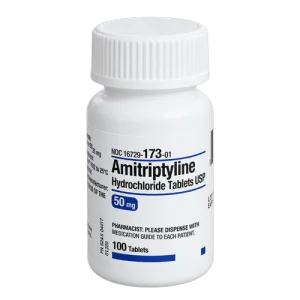
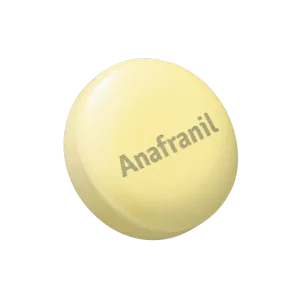
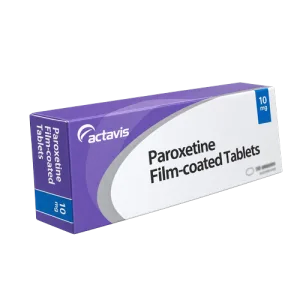
Comparison
Amitriptyline
Anafranil
Paroxetine
Prozac Current
Zoloft
Reviews: Prozac
Based on 5 reviews
I had been treated for recurrent depression and noticed more daytime alertness after several weeks. The first period was uncomfortable because I felt jittery and had a dry mouth. My prescriber adjusted the timing, which made the mornings easier.
Bath Several weeks 9 Oct 2026Prozac reduced the frequency of panic attacks after roughly a month, but it did not remove anxiety immediately. I missed one capsule and took the next dose as planned rather than doubling it. Sleep remained lighter than before treatment.
Nottingham Roughly a month 14 Oct 2026I stopped taking Prozac too quickly after feeling better and my symptoms returned. A planned restart and closer follow-up worked better. I also learned to mention every painkiller and herbal product during medication reviews.
Milton Keynes 23 Oct 2026I took fluoxetine for obsessive-compulsive symptoms and found the response slower than expected. The intrusive thoughts became less dominant over several months, but sexual side effects remained difficult. That limitation led to a careful discussion about continuing treatment.
Sheffield Several months 27 Oct 2026Sources
- European Medicines Agency (2019). Fluoxetine: Summary of Product Characteristics and European public assessment information.
- World Health Organization (2023). Mental health, depression and treatment guidance.
- Medicines and Healthcare products Regulatory Agency (2020). Antidepressants: updated advice on monitoring and patient safety.
- National Institute for Health and Care Excellence (2022). Depression in adults: treatment and management.
- U.S. Food and Drug Administration (2023). Prozac (fluoxetine hydrochloride) prescribing information.