The first week brought nausea and lighter sleep. By the fourth week, I was getting through work without the constant dread. The improvement was gradual rather than dramatic, but it became easier to notice.
Coventry Six weeks 27 Oct 2026
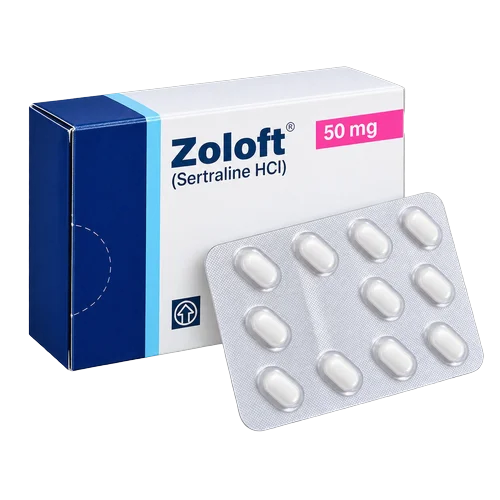
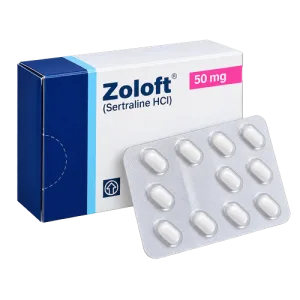
Zoloft
Zoloft tablets are taken by mouth once daily, with or without food, using the regimen confirmed with a healthcare professional before starting. They contain sertraline hydrochloride and are used for…
Zoloft tablets are taken by mouth once daily, with or without food, using the regimen confirmed with a healthcare professional before starting. They contain sertraline hydrochloride and are used for depression, anxiety-related disorders, obsessive-compulsive disorder, panic disorder, post-traumatic stress disorder, and social anxiety disorder.
Product information
Sertraline increases available serotonin in the brain, which can improve mood and reduce persistent anxiety symptoms over time.
Sertraline belongs to the selective serotonin reuptake inhibitor class, commonly shortened to SSRI. It is a prescription antidepressant used in adults for several depressive and anxiety-related conditions.
What it is used for
Zoloft is used for:
- Major depressive disorder in adults.
- Obsessive-compulsive disorder.
- Panic disorder.
- Post-traumatic stress disorder.
- Social anxiety disorder.
- Selected paediatric indications, such as obsessive-compulsive disorder, when prescribed for the appropriate age group.
The European Medicines Agency and MHRA describe sertraline as an SSRI with indications that vary according to age and diagnosis. Clinical response depends on the condition, symptom severity, previous treatment, adherence, and individual tolerance. The NHS also explains that antidepressants often need regular daily use before their benefits become clear.
One practical detail is easy to miss: early gastrointestinal symptoms can occur before mood improves. Mild nausea during the first days does not necessarily mean the treatment will fail, but severe or persistent symptoms need medical review.
Ingredients
Zoloft contains sertraline hydrochloride, supplied as tablets. The regimen for the chosen strength is confirmed with a healthcare professional before starting. Sertraline belongs to the selective serotonin reuptake inhibitor class, commonly shortened to SSRI. It is a prescription antidepressant used in adults for several depressive and anxiety-related conditions.
Sertraline works by reducing the reuptake of serotonin between nerve cells. More serotonin remains available for signalling, although symptom improvement usually develops gradually rather than immediately. The medicine is taken orally as a tablet.
The same active ingredient can be used for different conditions, but the starting regimen and treatment target may differ. A dose suitable for panic disorder may not be the regimen used for depression or obsessive-compulsive disorder.
How it affects the body
Serotonin helps regulate mood, fear responses, sleep, appetite, and repetitive thoughts. Sertraline blocks the serotonin transporter, allowing serotonin to remain active for longer in the space between nerve cells. Changes in sleep or anxiety may appear before the full antidepressant effect.
SSRIs are different from older antidepressant classes because they focus mainly on serotonin reuptake rather than directly stimulating several receptor systems. This selective action can make sertraline useful when depression occurs alongside anxiety, panic symptoms, intrusive thoughts, or social fear.
How to use it
The regimen for the chosen strength is confirmed with a healthcare professional before starting. The prescriber determines whether this strength is suitable as an initial or continuing dose.
Use involves the following principles:
- Take the tablet orally once daily at the prescribed time.
- Swallow it with water.
- Take it with food or on an empty stomach.
- Keep the daily timing as consistent as possible.
- Do not change the dose because improvement feels slow.
- Do not stop suddenly after regular use.
- If a dose is missed, follow the prescriber’s missed-dose instructions rather than taking extra tablets.
Sertraline treatment may continue for several months after symptoms improve. Continuing treatment helps reduce the chance of relapse in people who have responded to therapy. The length of treatment depends on diagnosis, recurrence risk, response, and adverse effects.
A missed dose does not call for doubling the next dose. Taking extra sertraline can increase unwanted effects such as nausea, tremor, agitation, sweating, and drowsiness.
Alcohol can worsen sleep disturbance, dizziness, impaired concentration, or low mood while taking sertraline. Avoiding alcohol is the clearest approach during the early treatment period, especially while the individual response is still unknown.
Comparison
| Treatment approach | Main pharmacological focus | Common clinical role |
|---|---|---|
| Sertraline | Selective serotonin reuptake inhibition | Depression, anxiety disorders, OCD, panic disorder, PTSD, and social anxiety disorder |
| Fluoxetine | Selective serotonin reuptake inhibition | Depression and selected anxiety-related conditions; its longer persistence in the body can affect switching |
| Serotonin-noradrenaline reuptake inhibition | Increases serotonin and noradrenaline signalling | Depression with selected pain or low-energy features, depending on clinical assessment |
Sertraline and fluoxetine are both SSRIs, yet their half-lives differ. Fluoxetine and its active metabolite remain in the body for a long time, while sertraline is often easier to adjust when a clinician needs a more direct change in treatment.
Serotonin-noradrenaline reuptake inhibitors affect an additional neurotransmitter system. They may be considered when depression includes certain pain symptoms or marked low energy, although blood pressure and other tolerability factors can influence the choice.
Psychological therapy remains a separate treatment modality. Cognitive behavioural therapy can be used alone for some conditions or alongside an antidepressant when symptoms are persistent, recurrent, or functionally limiting.
Common mistakes
Several avoidable patterns can make treatment seem ineffective:
- Stopping after a few days because nausea or restlessness appears.
- Taking tablets only on difficult days.
- Increasing the dose without clinical direction.
- Taking two doses after a missed tablet.
- Using St John’s wort alongside sertraline.
- Forgetting to mention tramadol, migraine medicines, anticoagulants, or recreational substances.
- Stopping abruptly after months of daily treatment.
- Assuming that emotional numbness, agitation, or sexual dysfunction must simply be tolerated.
- Treating a sudden energy surge as recovery without considering possible mania.
- Measuring success only by mood while ignoring sleep, panic episodes, concentration, and daily activity.
Discontinuation symptoms can include dizziness, electric-shock sensations, irritability, anxiety, nausea, sweating, and sleep disruption. A gradual reduction planned by the prescriber is usually used when treatment needs to end.
Who should not use it
Zoloft is not suitable for everyone. The prescriber needs specific information about medical history and current medicines before selecting a regimen.
- Taking a monoamine oxidase inhibitor, including irreversible MAOIs or certain reversible MAOIs.
- Previous serious allergic reaction to sertraline or another ingredient.
- Taking pimozide.
- History of bipolar disorder or mania that has not been assessed.
- Severe reactions to antidepressants affecting serotonin.
- Uncontrolled epilepsy or a condition that significantly increases seizure risk.
A washout interval is required when changing between sertraline and an MAOI. Combining serotonergic medicines can cause serotonin syndrome. Relevant examples include tramadol, lithium, triptans, linezolid, St John’s wort, and some other antidepressants.
When this is not for you
This medicine may not be right for you if you are taking an MAOI or pimozide, have had a serious allergic reaction to sertraline, or have untreated bipolar symptoms or a high risk of seizures. Tell the prescriber about your other medicines, especially tramadol, lithium, triptans, linezolid, St John’s wort, and other antidepressants, because combinations can cause serious serotonin-related reactions. Also share information about bleeding problems, liver disease, glaucoma, pregnancy, breastfeeding, and epilepsy before treatment begins.
Possible side effects
The most common adverse effects include nausea, diarrhoea, dry mouth, headache, dizziness, sleep disturbance, fatigue, sweating, and sexual difficulties. Some people experience reduced appetite or temporary restlessness during the first part of treatment.
Sexual side effects can include reduced desire, delayed orgasm, erectile difficulty, or reduced genital sensation. They may persist while treatment continues and should be discussed if they affect relationships or adherence. Changing the timing does not reliably remove this effect.
Sleep changes can go in either direction. Sertraline may cause insomnia in one person and drowsiness in another. Avoid driving or operating machinery until the individual response is clear.
Urgent medical assessment is needed for:
- Suicidal thoughts, new self-harm urges, or a sudden severe deterioration in mood.
- Symptoms of serotonin syndrome, such as agitation, confusion, fever, sweating, diarrhoea, muscle rigidity, or marked tremor.
- A severe allergic reaction involving facial swelling, breathing difficulty, or widespread blistering rash.
- Manic symptoms, including unusually high energy, very little sleep, racing thoughts, impulsive behaviour, or unrealistic confidence.
- Seizures, fainting, severe bleeding, or pronounced weakness.
The FDA prescribing information identifies increased suicidal thinking and behaviour as a risk requiring monitoring, especially during treatment initiation and dose changes. Bleeding risk can rise when sertraline is combined with aspirin, ibuprofen, naproxen, anticoagulants, or antiplatelet medicines.
Some patients notice loose stools or nausea after the first few tablets. Taking sertraline with a light meal may make the stomach easier to tolerate, although food is not required for absorption. Persistent diarrhoea can lead to dehydration and needs clinical attention.

What doctors say
In clinical practice, prescribers usually set expectations before the first tablet: early side effects can appear before the desired mood or anxiety response. This timing helps prevent people from abandoning treatment after a few uncomfortable days. A clinician also checks for bipolar symptoms before prescribing an antidepressant. Antidepressant treatment alone can worsen mood instability in someone with unrecognised bipolar disorder. Response is assessed through function, sleep, panic frequency, intrusive thoughts, social avoidance, and mood—not only through whether the person feels cheerful. A smaller improvement in daily functioning can be clinically meaningful even when symptoms have not disappeared. Sertraline can be a reasonable choice when depression and anxiety occur together, yet it is not automatically the best option for every person. Prior antidepressant response, sexual side effects, sleep pattern, seizure risk, bleeding risk, and other medicines all influence selection. The WHO recognises depression as a major cause of disability worldwide and supports treatment plans that combine appropriate clinical care with psychosocial support. Medication works best when the prescriber can review response and tolerability over time.
Common questions
What should be discussed with a doctor before starting Zoloft?
Discuss previous depression or mania, seizures, liver disease, glaucoma, bleeding problems, pregnancy, breastfeeding, and every medicine or supplement being used. MAOIs, pimozide, tramadol, lithium, triptans, anticoagulants, and St John’s wort are especially relevant. The MHRA (2024) sertraline product information also supports reviewing suicidal thoughts and mood changes during early treatment. The regimen for the 50 mg tablet should be confirmed before starting.
Can Zoloft be taken with food or on an empty stomach?
Sertraline tablets can be taken with food or without food, provided the daily routine remains consistent. Taking the tablet after a light meal may help some people tolerate early nausea, while food is not required for the medicine to work. The NHS (2025) describes sertraline as suitable for once-daily oral use with or without food. Alcohol can increase dizziness, sleep disruption, and impaired concentration.
How soon can the effect of Zoloft become noticeable?
Sleep, appetite, physical tension, or anxiety may change during the first couple of weeks, while mood and obsessive symptoms often take longer to improve. NHS guidance (2025) commonly describes antidepressant benefits as developing over several weeks, with response assessed through symptoms and daily functioning. A lack of early improvement does not prove that sertraline will fail. Severe worsening, suicidal thoughts, or marked agitation requires prompt medical contact.
Can Zoloft be used by people under 18?
Paediatric use is diagnosis-specific. Sertraline may be prescribed for obsessive-compulsive disorder in selected young people, while antidepressant use in younger patients requires close monitoring for suicidal thoughts, agitation, and behavioural change. The MHRA (2024) has issued safety guidance concerning antidepressants and young people. The prescribing clinician determines whether the expected benefit justifies treatment for the individual child or adolescent.
What should happen if the expected result does not appear?
A review should assess adherence, treatment duration, diagnosis, dose suitability, other medicines, alcohol or substance use, sleep, and psychological support. NICE guidance (2022) recommends reviewing response and side effects rather than making an unsupervised dose change. The clinician may continue, adjust, switch, or add psychological treatment depending on the condition. New suicidal thoughts, mania, or severe agitation require urgent assessment rather than waiting for the next routine review.
How long can a Zoloft course last, and is long-term use acceptable?
Treatment often continues after symptoms improve because stopping too soon can increase relapse risk. The duration depends on whether the episode is a first occurrence, whether symptoms have returned before, and how well the medicine is tolerated. NICE guidance (2022) supports maintenance treatment for some people at significant risk of relapse, with periodic review of benefit and adverse effects. Long-term use should remain an active clinical decision, not an automatic continuation without reassessment.
Do you offer anonymous delivery?
Your order will be securely packed and shipped within 24 hours. This is exactly what your package will look like (images of an actual item sent). It has the size and look of a regular private letter (24x11x0.7 cm) and its contents cannot be seen.
Comparison
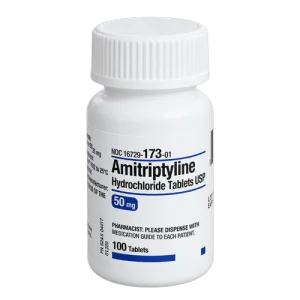
Amitriptyline
Anafranil
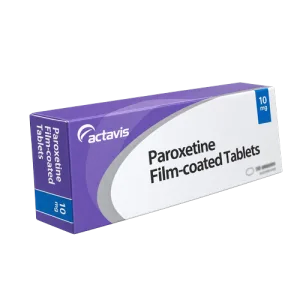
Paroxetine
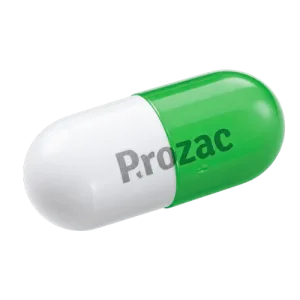
Prozac
Zoloft Current
Reviews: Zoloft
Based on 3 reviews
My panic episodes became less frequent after several weeks. I still had reduced sexual interest and mentioned it at my review. The treatment helped, although the side effect made the decision less straightforward.
Luton Three months 30 Sept 2026I stopped early because I felt restless and expected a faster result. My doctor explained that the dose and treatment plan needed review rather than an abrupt stop. I restarted only after a proper discussion and found the first days easier the second time.
Newcastle upon Tyne Four weeks 12 Oct 2026